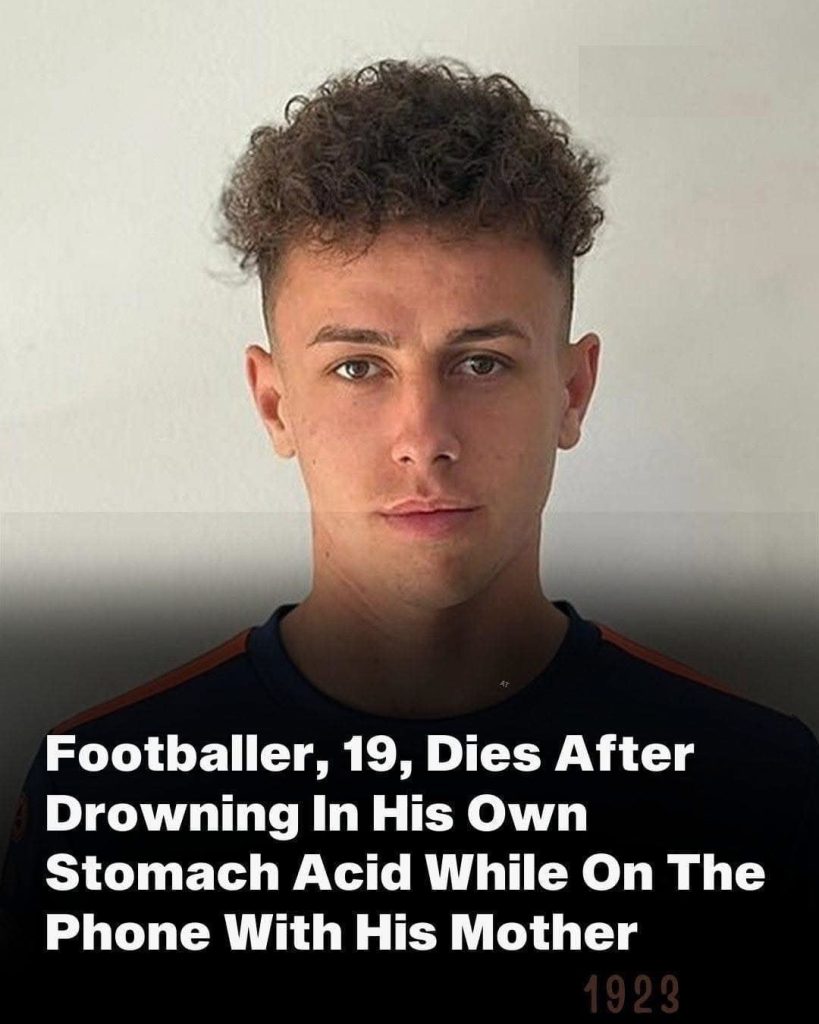
The Loss of a Young Football Talent: Remembering Luca Manolache
The Romanian football community is reeling from the tragic and untimely death of Luca Manolache, a promising young footballer who passed away at the tender age of 19. His demise, following a mysterious and relentless illness, has not only left a void in the hearts of his loved ones but has also stirred conversations about health awareness among young athletes. Once a rising star at Metaloglobus București, Luca’s life was abruptly altered by a sequence of alarming health issues that forced him to step away from the sport he adored. This situation highlights the crucial intersection of youth sports and health, emphasizing the need for better awareness and monitoring of young athletes’ well-being.
A Promising Start Cut Short
Luca’s journey in football began with great promise. Born in a small town, he displayed a knack for the sport from an early age, quickly becoming known among his peers for his incredible talent. He was celebrated for his passion, discipline, and an indefatigable spirit that shone both on and off the pitch. The enthusiasm he brought to Metaloglobus București was palpable, inspiring both his teammates and coaches. Many believed he was destined for a bright future in professional football, potentially representing Romania on the international stage.
However, in August 2024, his life took a difficult turn. Stricken by troubling health symptoms such as dizziness, chronic fatigue, and bloody stools, Luca made the heart-wrenching decision to retire from the sport he loved. This sudden departure raised alarm bells among his friends and family, who watched helplessly as he struggled with his health. Throughout his short career, Luca had shown resilience in the face of adversity, yet this challenge was far more significant than any he had encountered before. The emotional weight of leaving his passion behind was compounded by the uncertainty surrounding his health.
A Mysterious Illness
Despite numerous medical evaluations and tests, the root cause of Luca’s distress remained elusive. Doctors ran various tests—blood work, imaging scans, and gastroenterological examinations—yet none yielded definitive answers. His symptoms, though severe, were not immediately recognized as life-threatening, which highlights a critical gap in healthcare for young athletes. Tragically, during this time, Luca’s condition worsened. On February 28, 2025, while out with a family member, he experienced a dramatic decline in health. In a distressing phone call to his mother, he expressed his fears with the haunting words, “Mum, Mum, I can’t do it anymore,” followed by the chilling inquiry, “Do you think I’m dying?” This heartbreaking exchange would become a memory etched in the minds of his family.
Such calls are often a cry for help that can be overlooked in a world where young athletes are frequently encouraged to push through their pain. Luca’s experience is a sobering reminder that the pressures faced by young athletes can lead to tragic outcomes when health concerns are dismissed or not taken seriously. The ambiguity of his illness serves as a cautionary tale for athletes and their support systems, underscoring the importance of holistic health assessments that take both physical and mental well-being into account.
The Heartbreaking End
Just a short time after that fateful call, Luca succumbed to his illness. The autopsy revealed a devastating truth: he had tragically drowned in his own stomach acid after vomiting blood. This horrifying revelation left family, friends, and the entire Romanian football community in profound shock. The circumstances surrounding Luca’s death illuminated a stark reality about the vulnerabilities faced by young athletes, particularly those experiencing unexplained symptoms. Despite the warning signs and medical consultations leading up to his death, the illness that took Luca’s life had not been identified nor treated in time. His passing serves as a reminder of the urgent need for comprehensive medical assessments and swift action when health concerns arise.
As news of Luca’s death spread, the backlash against the healthcare system intensified. Families began to question how such a talented young athlete could fall through the cracks, leading to calls for reforms in how medical care is provided to athletes of all ages. This tragic incident has become a rallying point for both families and sports organizations alike, emphasizing the necessity for better protocols concerning health monitoring in sports.
A Community in Mourning
In the wake of this tragedy, Metaloglobus București issued a heartfelt statement, expressing deep sorrow over the loss of a player who was not only talented but also cherished for his warm personality. The club stated, “Luca was not only a gifted footballer but a young man with a kind heart and unwavering love for the game.” His teammates shared stories of his unwavering support and encouragement, showcasing the profound impact he had both on and off the field.
As the news of his untimely death spread, tributes began to pour in from fellow athletes, coaches, and fans across Romania. Social media has been flooded with condolences, with many using the hashtag #RememberLuca to honor his legacy and raise awareness about the importance of listening to one’s body, especially when it exhibits unusual symptoms. The outpouring of love and support has illustrated the deep connections forged through the sport, serving both as a source of comfort for a grieving community and as a wake-up call about the vitality of health concerns.
Advocating for Change
Luca’s story has ignited crucial discussions around the need for improved medical evaluations in sports. Young athletes often face pressures to conform to high expectations, which may lead them to downplay their health concerns in pursuit of success. In many instances, symptoms that could indicate serious underlying conditions are dismissed as mere fatigue or stress. This tragedy underscores the necessity for coaches, trainers, and parents to foster an environment where athletes feel comfortable voicing their health concerns without fear of being sidelined. The need for training in recognizing signs of serious health issues among coaches and sports staff has never been clearer.
As the Romanian football community mourns, there is a collective hope that Luca’s story can lead to significant changes in how young athletes’ health is monitored and managed. Discussions are unfolding about implementing mandatory health screenings and mental health check-ins for athletes at all levels, providing support systems that prioritize the well-being of young players over performance metrics.
Honoring Luca’s Legacy
The Manolache family is now left to navigate their grief over the loss of a son whose potential will never be realized. Luca’s mother, in particular, has been deeply affected by her son’s passing. Despite the overwhelming sorrow, she feels grateful for the bond they shared and the love he expressed in his final moments. As a way to honor Luca’s memory, Metaloglobus București has announced plans to commemorate his life, including a moment of silence before their upcoming matches and the establishment of a youth training scholarship in his name. These initiatives aim to ensure that Luca’s spirit and passion for football continue to inspire future generations.
Although Luca Manolache is no longer with us, his spirit—along with the joy he brought to the world of football—will undoubtedly endure. His tragic story serves as a poignant reminder of the importance of prioritizing health in sports, advocating for a culture where young athletes can thrive both physically and mentally. In the end, Luca’s legacy might very well be the catalyst for much-needed change in how the health of young athletes is approached, ensuring that no other family has to suffer from a similar loss.