How to Combat Maggots in Your Trash: Understanding and Prevention
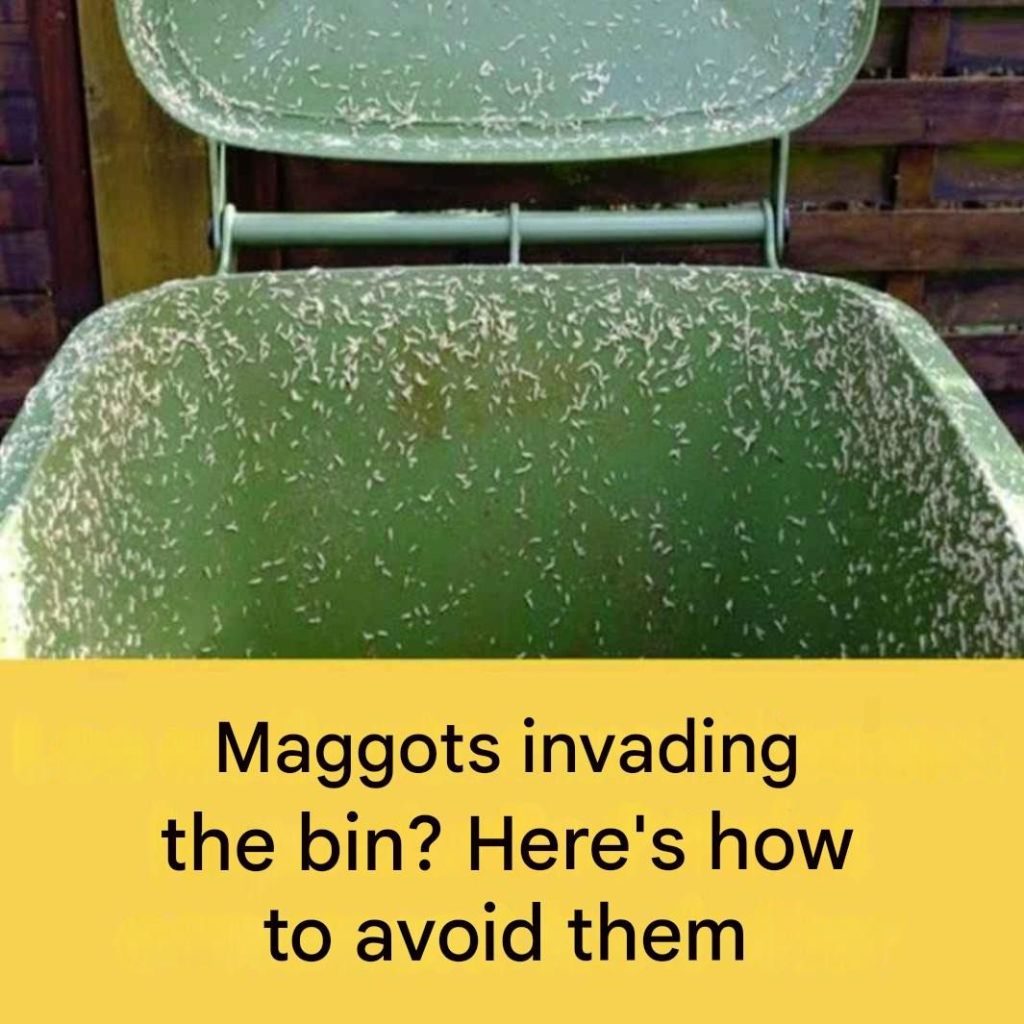
As the temperatures rise, many people face an unpleasant surprise: discovering a swarm of small grubs, also known as maggots, in their garbage bins. This scenario can evoke feelings of disgust and concern. However, it is crucial to understand that this problem is manageable with the right strategies. In this article, we will explore why maggots are attracted to your trash, how they get there, and most importantly, effective methods to eliminate them for good.
Understanding the Culprit: Flies
The primary instigator behind the presence of maggots in your garbage is none other than the common fly. These insects are drawn to the strong odors that emanate from decomposing organic matter within your trash. Flies have an exceptional sense of smell that allows them to locate food sources from great distances. When they find a suitable environment, such as a garbage bin filled with food scraps, they see it as an ideal nesting site to lay their eggs.
Within just a few days, these eggs hatch into larvae, which are the maggots that you may encounter when you open your trash bin. The rapid life cycle of flies—wherein eggs can hatch in as little as 24 hours—means that what may start as a small problem can quickly escalate into an infestation if not addressed promptly. Understanding this biology can provide essential insights into prevention strategies, highlighting the importance of swift action.
Why Maggots Love Your Trash
The attraction of maggots to your trash can be attributed to the decomposition process. Food waste, especially items that are rich in sugar or protein, emits strong odors that are irresistible to flies. For instance, leftover fruits, meat, and dairy products are particularly appealing. The decomposition of these organic materials produces volatile compounds that signal to flies that a viable breeding ground is available. Once flies are drawn to these smells, they lay their eggs, which leads to the rapid emergence of maggots.
Additionally, the environment within a garbage bin can be quite warm and humid, creating the perfect breeding ground for these pests. This ideal combination of organic material, moisture, and warmth accelerates the decomposition process and further attracts flies, thereby setting the stage for maggot infestations. It is this unique blend of conditions that makes garbage bins a hotspot for flies and their larvae during warmer months.
Simple Steps to Prevent Maggot Infestations
While the presence of maggots in your trash can be alarming, the good news is that there are simple and effective ways to prevent them. First and foremost, maintaining cleanliness is key. Regularly cleaning your trash bin can significantly reduce the odors that attract flies. Using a mixture of vinegar and water can help eliminate odors and disinfect the container. Vinegar not only neutralizes unpleasant smells but also has antibacterial properties that can help keep your trash bin sanitary.
Another effective method is to ensure that food waste is disposed of properly. Sealing food scraps in bags before placing them in the trash can minimize odors and reduce the likelihood of attracting flies. For households that produce a lot of organic waste, consider using a compost bin or a disposal service that can handle food scraps in a more controlled manner. Composting not only reduces waste but also provides a nutrient-rich soil amendment for gardens, making it a win-win solution.
Natural Remedies to Eliminate Existing Maggots
If you do find that maggots have made their home in your trash, there are natural remedies you can employ to eliminate them. One effective solution is to use boiling water. Pouring boiling water over the maggots can kill them instantly. This method is not only efficient but also eco-friendly, as it avoids the use of harsh chemicals that could be harmful to the environment. Alternatively, a solution of salt and water can also be used to dehydrate and destroy the larvae.
Another natural deterrent is the use of essential oils such as peppermint or lavender. Spraying a diluted solution of these oils around the garbage bin can act as a repellent against flies, helping to keep them at bay and prevent future infestations. Essential oils not only serve as a natural insect repellent but also leave your trash area smelling fresh. Additionally, it’s beneficial to create a barrier using diatomaceous earth, which can deter pests effectively by causing dehydration upon contact.
Conclusion: Embracing Proactive Measures
In conclusion, encountering maggots in your trash can be an unpleasant experience, but it is manageable through a series of proactive measures. By understanding the role of flies and the conditions that lead to maggot infestations, you can take steps to prevent their occurrence. Regular cleaning, proper waste disposal, and natural remedies can help maintain a clean and pest-free environment. Additionally, being vigilant about what you throw away and how you dispose of it can significantly reduce the likelihood of attracting these unwelcome guests.
By being vigilant and employing these strategies, you can reclaim your trash bin from these unwelcome guests and enjoy a cleaner, healthier living space. Remember that prevention is always better than cure, and a little effort can go a long way in keeping your home maggot-free. With regular maintenance and awareness, you can enjoy peace of mind, knowing that your living environment is safe and sanitary. Let’s take steps today to keep our trash—and our homes—clean and free of pests.