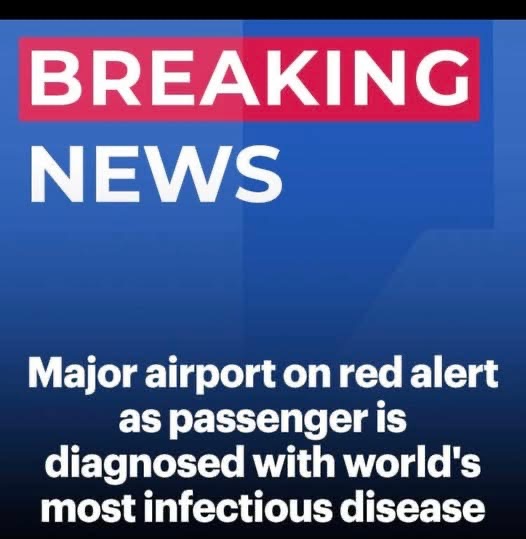
Concerns Rise Over Measles Exposure at Chicago O’Hare International Airport
Health officials are raising alarms regarding a potential measles exposure at one of the busiest airports in the world, Chicago O’Hare International Airport. An infected individual, primarily located in Terminal 1, may have inadvertently exposed hundreds of travelers during their stay. This incident occurred on April 22 and April 23, when the person was present at the airport between 10 AM and 8 PM on both days. Despite having received one dose of the MMR (measles, mumps, rubella) vaccine, this individual developed a rash two days later, on April 25, prompting medical tests that confirmed the diagnosis of measles. The presence of an infected person in such a high-traffic area raises significant concerns, as it emphasizes the role of airports as potential hotspots for the spread of infectious diseases.
Following their diagnosis, the infected person has been under isolation at home to mitigate any further risk of contagion. Measles is notably one of the most highly contagious diseases known, capable of spreading through respiratory droplets from coughing and sneezing, which makes this situation particularly alarming for public health officials. The Centers for Disease Control and Prevention (CDC) indicates that an infected person can remain contagious from four days before to four days after the onset of the rash, further complicating efforts to contain outbreaks. This prolonged contagious period underscores the urgency for public health interventions, as it can lead to a rapid increase in cases if immediate action is not taken.
In the aftermath of this incident, another case of measles emerged just days later, involving an adult residing in the same county in Illinois. While the specifics about this person’s vaccination status remain unclear, reports indicate they were admitted to a local hospital for treatment on April 28. Medical staff acted swiftly to isolate this individual, showcasing the importance of immediate response in controlling potential outbreaks. This dual occurrence of measles cases highlights an unsettling trend as the disease resurfaces in various communities across the United States, often linked to decreased vaccination rates. The resurgence of measles is indicative of larger public health challenges, including the rise of vaccine misinformation and hesitancy among certain populations.
Authorities are urging anyone who may have been in the airport during those dates to be vigilant. Health officials recommend that individuals monitor for symptoms, which can include high fever, cough, runny nose, and a characteristic rash. They have also advised those who believe they have been exposed to contact their healthcare provider for guidance. Such warnings are particularly crucial given the recent history of measles outbreaks in several metropolitan areas, often traced back to international travel. The CDC has emphasized that awareness and quick action can be the key to preventing further cases, a sentiment echoed by numerous health departments across states that have seen similar outbreaks.
The rise of measles cases in the U.S. over recent years has been attributed to a combination of factors, including vaccine hesitancy and misinformation surrounding vaccine safety. The resurgence of this once-eliminated disease serves as a critical reminder of the importance of vaccination, not only for individual protection but also for community immunity, which is vital for protecting vulnerable populations who cannot be vaccinated due to medical reasons. Measles has the potential to cause severe complications, including pneumonia, encephalitis, and even death, particularly in young children and those with compromised immune systems. As health officials continue to combat misinformation, there is an urgent need for public education on the effectiveness of vaccines, debunking myths that contribute to vaccine hesitancy, and urging communities to take action, such as participating in vaccination programs and outreach initiatives.
This situation at Chicago O’Hare International Airport underscores the interconnectedness of global travel and public health. With millions of passengers passing through airports every day, the potential for infectious diseases to spread is significantly heightened. As a result, measures such as thorough screening and vaccination initiatives become essential. Airports and health authorities must collaborate to ensure that travelers are aware of health risks and are encouraged to maintain their vaccinations up to date, especially when planning international travel. Vigilance, education, and prompt action are fundamental in curbing the spread of highly infectious diseases like measles. The importance of monitoring vaccination rates and addressing specific community concerns regarding vaccines cannot be understated as health officials work towards preventing future outbreaks.
Moreover, the emergence of technology and social media has played a dual role in this public health narrative. While these platforms can serve as valuable tools for disseminating accurate information about vaccines, they can also perpetuate misinformation. Health authorities are increasingly leveraging social media to spread awareness, offering clear, fact-based messaging to counteract vaccine myths. Programs aimed at educating parents about the safety and importance of vaccinations for their children have become critical in reversing trends of vaccine hesitancy. It is essential to foster a community environment that prioritizes health education, especially as measles and other vaccine-preventable diseases pose a significant threat to public health.
In conclusion, the recent measles exposure incident at Chicago O’Hare International Airport serves as a stark reminder of the importance of vigilance in public health, especially in the face of rising vaccine hesitancy. The collaboration between health authorities, travelers, and the community is crucial in mitigating the risks associated with highly contagious diseases. As public health officials continue to monitor and respond to these emerging threats, it is imperative that individuals remain informed, proactive, and engaged in health practices that protect not just themselves, but the larger community as well. The fight against measles, and indeed all vaccine-preventable diseases, is a shared responsibility that requires collective action and unwavering commitment to health education and preventive care.