
The Impact of Product Messaging in Retail: A Closer Look
In an era where consumer sentiment plays a crucial role in shaping retail landscapes, the power of product messaging has become a focal point for many shoppers. As brands strive to engage with their audience, the interpretation of various designs can lead to discussions that resonate deeply with personal experiences. Recently, a situation involving Target, one of the leading retail giants in the United States, brought this issue to light. A specific holiday-themed shirt sparked a debate, highlighting how a seemingly innocuous design could evoke a spectrum of reactions among shoppers. This incident serves as a critical reminder of how product messaging can transcend mere marketing, intertwining with social conversations about mental health, identity, and cultural sensitivity.
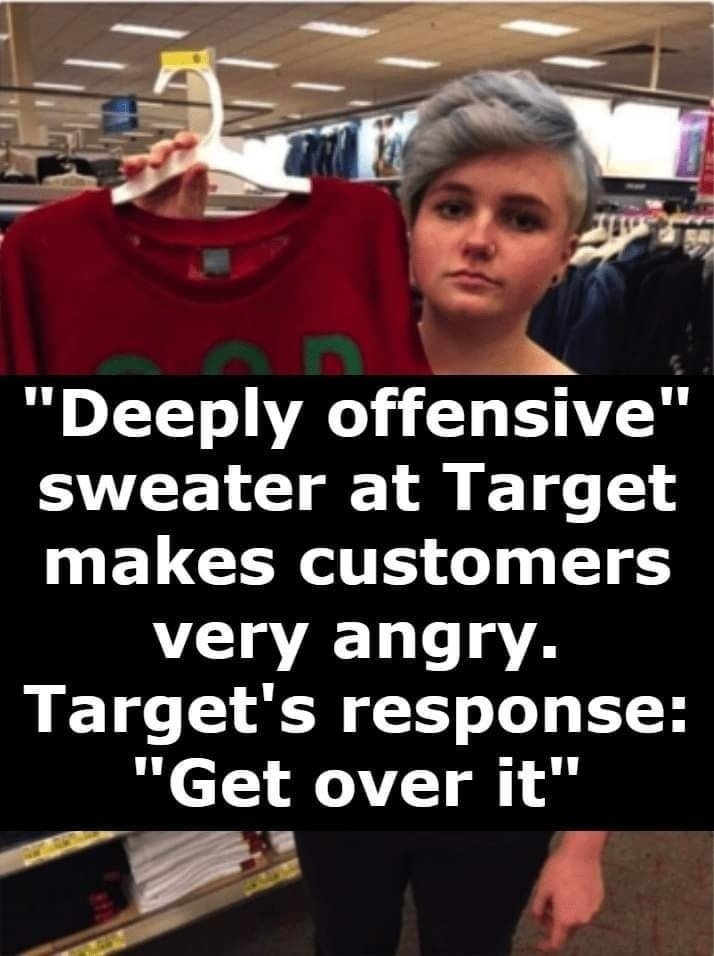
At the heart of this controversy was a shirt displaying the phrase “OCD Christmas obsessive-compulsive disorder.” Reign Murphy, a concerned customer, took to social media to express her discomfort over the message. In her post, she articulated that while the design might be intended as a humorous holiday pun, it could be interpreted as trivializing a serious mental health condition. This assertion resonated with individuals who live with obsessive-compulsive disorder, prompting her to advocate for more sensitivity in product representations. It illuminated the often-overlooked connection between humor and mental health, revealing how a simple phrase can alienate or unite people based on their experiences.
This incident not only gained traction on social media but also ignited a broader conversation about the appropriateness of humor in fashion, especially when it intersects with mental health issues. Advocates for mental health awareness were quick to point out that using a mental health condition as a punchline could reinforce stigma and diminish the genuine challenges faced by individuals with OCD. They argued that humor should not come at the expense of those who suffer from such disorders, and brands need to be cognizant of the messages they convey through their products. For example, brands like MeUndies and H&M have made strides by incorporating mental health awareness into their campaigns, promoting understanding rather than insensitivity. This debate around the Target shirt underscores the delicate line retailers must walk when tapping into humor as a marketing strategy.
Conversely, a segment of the audience offered a contrasting perspective. Some individuals with OCD reported that they did not find the shirt offensive. Instead, they appreciated the light-heartedness it encapsulated, viewing it as a playful pun rather than an affront to their experiences. This dichotomy of responses exemplifies how the same design can evoke vastly different interpretations based on personal experiences and perspectives. Such differences underscore the complexity of consumer reactions in today’s diverse marketplace. Notably, it raises critical questions about how brands can foster engagement while navigating the sentiments of a multifaceted audience. It invites retailers to explore ways of reaching out to customers, perhaps through surveys or focus groups, to gauge reactions more accurately before launching controversial products.
Target, in its response to the growing conversation, acknowledged the concerns raised by Murphy and others. Spokesperson Jessica Carlson issued an apology to those who felt uncomfortable with the shirt, emphasizing the company’s commitment to customer feedback. However, she also clarified that the shirt would remain available for purchase. This decision reflects a delicate balance that retailers must navigate: respecting consumer concerns while also maintaining their product offerings. Many might argue that keeping the product available demonstrates a commitment to free expression and humor. However, it also leads to a deeper inquiry into how brands can effectively address criticism while also catering to a broad audience with varying interpretations of humor.
As this debate unfolds, it becomes increasingly essential for retailers to engage in thoughtful dialogue about their product designs. The interplay of intention, context, and consumer perception is critical in shaping how messages are received. Retailers should actively consider the implications of their designs, striving to foster inclusivity and sensitivity in their offerings. The rise of social media platforms as spaces for public discussion adds another layer to this dynamic. Brands are under greater scrutiny than ever to ensure that their products reflect values that resonate positively with their audience. Companies such as Patagonia and Toms have successfully aligned their branding with social causes, demonstrating that they are listening to their customers and are willing to adapt in response to social concerns.
Ultimately, the conversation surrounding the Target shirt serves as a microcosm of a larger societal trend where consumers are increasingly vocal about their expectations from brands. As shoppers continue to demand more thoughtful representation and sensitivity in product messaging, it is clear that the retail landscape is evolving. This shift in consumer expectations is not just a passing trend but a fundamental change in how businesses must operate in a globally connected world. In this new environment, retailers must be prepared to listen actively to their customers and adapt accordingly, fostering a culture of understanding and respect in every aspect of their business. Retailers are called to step up not just as sellers of products but as responsible entities that acknowledge their role in societal conversations.
















