Understanding and Managing Head Lice: A Comprehensive Guide
Encountering head lice can indeed be a daunting experience for families. The discovery of these tiny parasites often leads to feelings of anxiety and frustration, particularly when they begin to disrupt daily activities. Head lice are predominantly found on the scalps of children, especially those who spend time in environments like schools and daycare facilities, where close contact with peers is inevitable. Despite their prevalence, it’s crucial to remember that having lice is not an indication of poor hygiene. They can infest anyone, regardless of their cleanliness. By understanding the life cycle and behavior of lice, families can approach this situation with a clear plan, making the process of eradication less stressful and more efficient.
The Biology of Head Lice
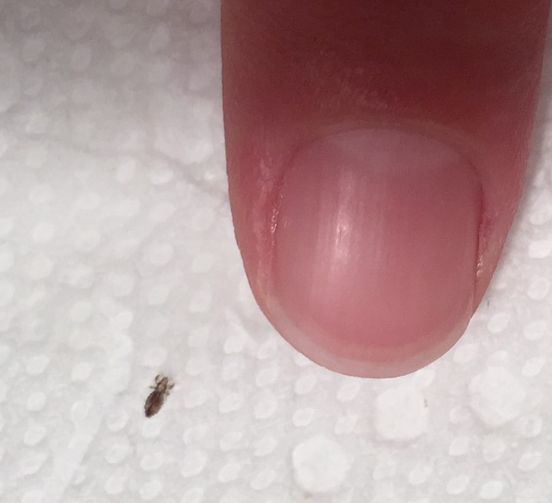
Head lice are wingless insects that thrive on human hair and scalp, feeding on small amounts of blood to survive. They are typically about the size of a sesame seed, making them difficult to spot with the naked eye. One of the most challenging aspects of dealing with head lice is their eggs, known as nits, which are laid close to the scalp. These nits are often mistaken for dandruff but are much more firmly attached to the hair strands. The warmth of the scalp aids in the development of these eggs, which hatch into nymphs within about a week. Lice can live up to 30 days on a human scalp, but outside of this environment, their lifespan significantly decreases, usually surviving only a couple of days.
Sadržaj se nastavlja nakon oglasa
Head lice reproduce quickly; a single female can lay up to 8 nits each day. This rapid reproduction cycle means that if one child in a household has lice, it can spread to others in a short time. The life cycle of head lice includes three stages: the egg (nit), the nymph, and the adult lice. Understanding this cycle is crucial for effective management and eradication. Regular checks of the scalp and hair can help catch an infestation early, which can greatly reduce the time and effort required to eliminate lice.
How Lice Spread
Understanding how head lice spread is key to preventing an infestation. Contrary to popular belief, lice do not jump or fly; they spread primarily through direct head-to-head contact. This means that children are particularly susceptible during play activities that involve close proximity, such as hugging, wrestling, or sharing a bed during sleepovers. Additionally, lice can be transferred through sharing items such as hats, hairbrushes, and even pillows. For instance, a group of children playing in a fort made of blankets could easily pass lice among themselves without realizing it.
It’s important for families to realize that lice are not associated with uncleanliness and can affect anyone, irrespective of their personal hygiene. This knowledge can help reduce stigma and promote a more supportive environment for those affected. Educators and parents alike should advocate for community awareness, emphasizing that lice infestations can happen to anyone and that proactive measures can help contain outbreaks.
Effective Treatment Strategies
When it comes to treatment, the first step is often the application of a medicated shampoo or lotion specifically designed to eliminate lice. These products contain either insecticides or natural ingredients that effectively kill the live lice. For example, permethrin and pyrethrins are common synthetic insecticides found in over-the-counter treatments.
On the other hand, some families prefer natural remedies, such as essential oils like tea tree or lavender oil, although their effectiveness may vary. It is vital to closely follow the instructions provided with the treatment, ensuring the product is applied thoroughly and left on for the recommended duration.
However, while these treatments are effective at killing adult lice, they may not always address the nits. Therefore, a diligent combing process is essential. Parents should be cautious and avoid over-using chemical treatments, as resistance can develop in lice populations, rendering these treatments less effective over time.
The Combing Process
To effectively remove nits, use a fine-toothed nit comb on damp, conditioned hair. Begin at the scalp and work through small sections of hair, wiping the comb frequently on a tissue or paper towel to clear away any lice or eggs collected.
This meticulous process requires patience and may take considerable time, but it significantly increases the likelihood of successful lice removal. It’s advisable to perform combing in a well-lit area, perhaps in front of a mirror, to better spot the nits and lice.
Remember to comb through the entire head and not just the areas where lice were found, as they can be spread throughout the hair.
Incorporating a two-person approach can be beneficial during this process; one person can focus on combing while the other can check for any remaining nits.
In addition to this, keeping a detailed log of the days when treatments and combing are done can help track progress and ensure that no stages of lice life cycle are missed, minimizing the chance for reinfestation.
Post-Treatment Care and Prevention
Following the initial treatment, it is crucial to conduct follow-up care. Typically, a second treatment is recommended about a week later to eliminate any lice that may have hatched after the first application. This step is paramount; if not done, remaining nymphs can mature into adults, restarting the cycle.
In addition, it’s important to clean personal items that may come into contact with the head. This includes washing pillowcases, hats, and any hair accessories in warm water.
For items that cannot be washed, sealing them in a plastic bag for a couple of days can effectively kill any lingering lice. Regular checks of the scalp and hair, along with educating children about not sharing personal items, can significantly lower the risk of re-infestation.
Creating a household policy regarding personal item sharing can be a proactive measure. For instance, designating specific items for each family member can prevent the spread of lice. Also, teaching children about personal space during playtime can help reduce direct contact, which is a primary transmission method.
Emotional Support and Education
Dealing with head lice can be emotionally taxing for both children and parents. Anxiety often arises from worries about the stigma associated with lice and the challenges of managing an infestation. Providing emotional support and reassurance is essential.
Families should foster an environment where open discussions about lice occur, helping children understand that it’s a common issue and not a reflection of their cleanliness. This open conversation can demystify the issue and alleviate some of the shame or embarrassment children might feel.
Furthermore, staying educated on lice prevention and treatment can empower families to face the situation with confidence. Resources such as workshops, local health department educational materials, and online support platforms can provide valuable information.
It’s important to approach the situation calmly, ensuring that children know they are supported throughout the process. Encouraging children to ask questions and express their feelings can also help them cope better.
Conclusion: Moving Forward with Confidence
In conclusion, while discovering head lice can be overwhelming, a well-informed approach can significantly ease the burden. By understanding lice biology, effective treatment strategies, and implementing preventive measures, families can confidently navigate this challenging experience.
With a calm demeanor and consistent care, head lice can be effectively managed, allowing families to return to their normal routines without discomfort or fear. Remember, you’re not alone in this; many families face similar challenges, and with proper support and information, overcoming lice infestations is entirely possible.
Together, let’s foster a community that supports each other through these common childhood challenges.