
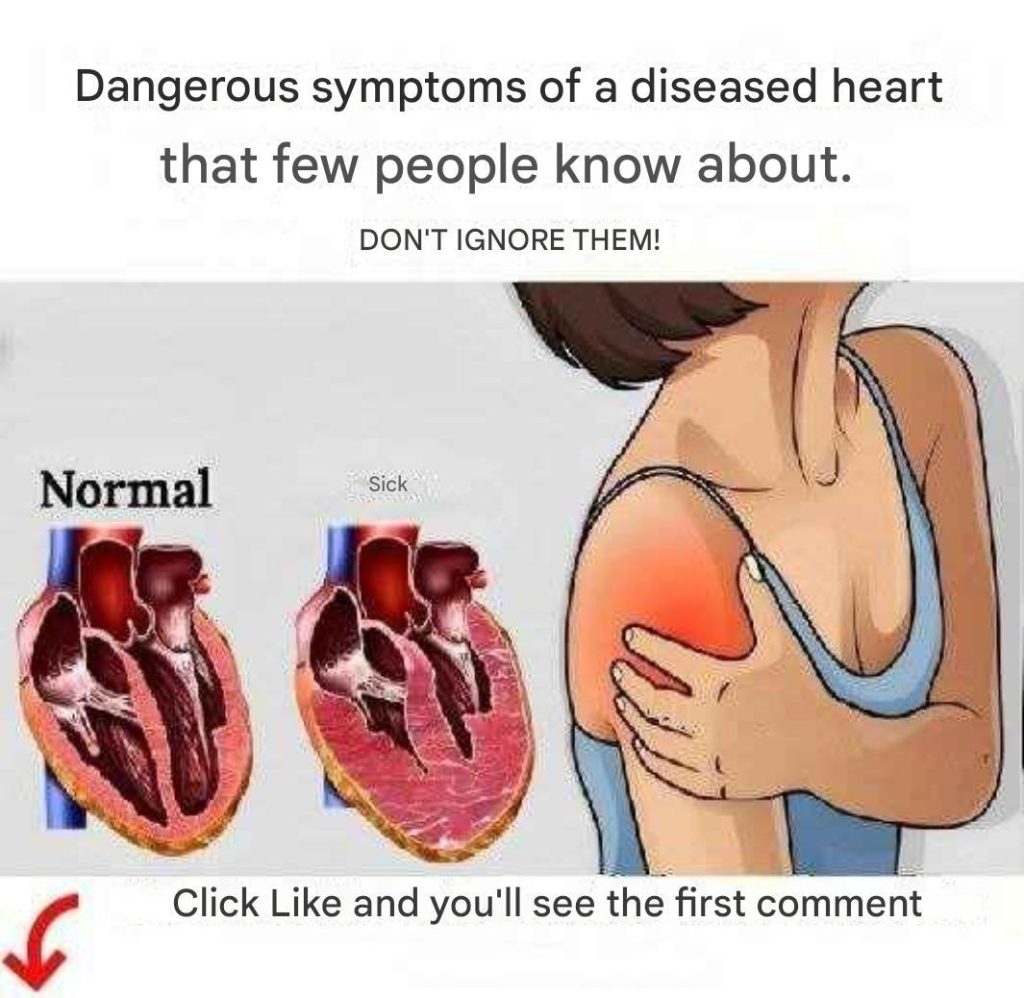
The Critical Importance of Recognizing Heart Disease Warning Signs
Heart disease is not merely a medical condition; it is a global health crisis that continues to claim millions of lives each year. According to the World Health Organization (WHO), cardiovascular diseases are the leading cause of death globally, accounting for an estimated 32% of all deaths in 2020 alone. This disease is particularly insidious because its early warning signs are often overlooked, misinterpreted, or simply attributed to mundane factors such as stress, aging, or everyday exhaustion. Contrary to popular belief, heart problems typically do not strike suddenly; rather, they present subtle indications that the body is struggling long before a catastrophic event like a heart attack occurs. Recognizing these early signals is vital as it can pave the way for timely medical intervention and lifestyle adjustments that can significantly enhance one’s overall health and longevity.
Understanding the Early Warning Signs
Many individuals may not be aware of the telltale signs that their heart health is in jeopardy. Here are six crucial warning signs that everyone should be vigilant about:
1. Unusual Fatigue: If you find yourself feeling excessively tired even after a full night’s sleep or become fatigued after low-intensity activities like walking or cleaning, it could indicate a strain on your heart. This type of fatigue is markedly different from ordinary tiredness, as it appears unexpectedly and may persist without an obvious cause. For example, a previously active individual may notice that simple tasks like climbing stairs or carrying groceries leave them feeling unusually drained.
2. Difficulty Breathing: Experiencing shortness of breath during regular activities, while resting, or even when lying down can be a red flag signaling that your heart is not functioning optimally. Some individuals report waking up at night feeling breathless—a condition known as orthopnea—which should never be dismissed as a mere inconvenience. In more severe cases, this may progress to paroxysmal nocturnal dyspnea, where the individual cannot breathe well during sleep and must sit or stand to ease their discomfort.
3. Chest Discomfort: Any feelings of pressure, tightness, or mild pain in the chest area that come and go should be taken seriously. Many people delay seeking medical advice because the discomfort is not severe enough to alarm them. However, heart-related sensations can be subtle and fleeting, making them easy to overlook. For instance, someone might experience a sensation akin to heartburn or indigestion, which they might mistakenly attribute to dietary choices rather than a potential heart issue.
4. Pain in Other Areas: Discomfort that radiates to the arms, shoulders, back, neck, jaw, or upper stomach can sometimes indicate heart issues. This pain often feels dull or aching and may not localize to the chest, leading many to misinterpret its significance. For example, many women experience heart attack symptoms differently and may report discomfort in the back or jaw rather than the classic chest pain most commonly associated with heart attacks.
5. Dizziness or Lightheadedness: If you frequently feel faint, unsteady, or confused, it may be due to reduced blood flow to the brain. This can occur when the heart lacks the strength to pump blood effectively, a condition known as heart failure. It warrants immediate medical evaluation as it can lead to more severe complications if left unaddressed. For instance, excessive dizziness during physical activity might not just be a sign of fatigue but a signal of a potentially serious heart condition.
6. Swelling in Extremities: Noticeable swelling in the feet, ankles, or legs can indicate that the heart is struggling to circulate blood properly. This type of swelling, known as edema, that is persistent or increases without an external cause should prompt a visit to a healthcare professional. Such swelling can be mistaken for ordinary tiredness or the result of hot weather, but it can be a clear sign of heart disease or heart failure.
The Importance of Early Detection
Understanding and recognizing these warning signs is crucial because they often emerge weeks, months, or even years before a heart attack or serious cardiac event occurs. By identifying these symptoms early on, individuals can take proactive steps including testing, medical treatment, and lifestyle changes that can mitigate damage and improve long-term health outcomes. For instance, studies indicate that patients who seek treatment at earlier stages of heart disease have a significantly higher survival rate and better quality of life after treatment compared to those who ignore the initial warning signs.
Practical Tips for Heart Health
To maintain a healthy heart, consider integrating the following practices into your daily life:
Stay attuned to your body: Always be aware of any persistent or unusual symptoms and consult a healthcare provider when in doubt. Keeping a daily journal of symptoms can help you notice patterns and make informed decisions about your health.
Balanced Diet: Incorporate a diet rich in fruits, vegetables, whole grains, healthy fats, and lean proteins. This not only supports heart health but also enhances overall well-being. Consider following dietary guidelines such as the Mediterranean diet, which emphasizes healthy fats from olive oil and nuts, as well as ample servings of fish and plant-based foods.
Regular Exercise: Engage in physical activities suited to your age and fitness level. Regular movement can significantly improve cardiovascular health. Aim for at least 150 minutes of moderate-intensity aerobic activity each week, such as brisk walking or cycling, combined with muscle-strengthening exercises on two or more days a week.
Manage Stress: Techniques such as relaxation exercises, mindfulness practices, and spending quality time with loved ones can alleviate stress, which is a known risk factor for heart disease. Activities such as yoga, meditation, or even engaging in hobbies can provide significant mental and emotional relief, contributing to better heart health.
Quality Sleep: Ensure you get enough restful sleep each night, as inadequate sleep can contribute to various health issues including heart disease. Aim for 7-9 hours of quality sleep and maintain a regular sleep schedule to regulate your body’s internal clock.
Regular Checkups: Schedule routine medical examinations, especially if you have risk factors such as hypertension, diabetes, high cholesterol, obesity, or a family history of heart disease. Early detection through regular screenings can lead to more effective management of potential heart issues.
Join the Conversation on Heart Health
Now, we would love to hear your thoughts. Have you or anyone close to you experienced these warning signs? What measures do you take to safeguard your heart health? It’s crucial to foster awareness about these early signals and encourage discussions about heart health and prevention. Engaging with your healthcare provider on these topics can also lead to better understanding and management of personal health risks.
Please share this information with your family and friends so more individuals can recognize and act on the early warning signs of heart problems. If you value heart health as a vital aspect of overall wellness, show your support by liking this post and leaving a comment. Engage with us and share your personal experiences or insights related to heart health. Together, we can create a network of informed individuals equipped to tackle the challenges posed by heart disease.
Your heart works tirelessly for you every moment of your life. Acknowledging its needs and treating it with the care it deserves is one of the most impactful choices you can make for your health and happiness in the future. By prioritizing heart health, you not only improve your quality of life but also set a positive example for those around you. Remember, small changes can lead to significant health improvements, and it’s never too late to start!
















