Understanding the Hitchhiking Seeds: Nature’s Ingenious Seed Dispersers
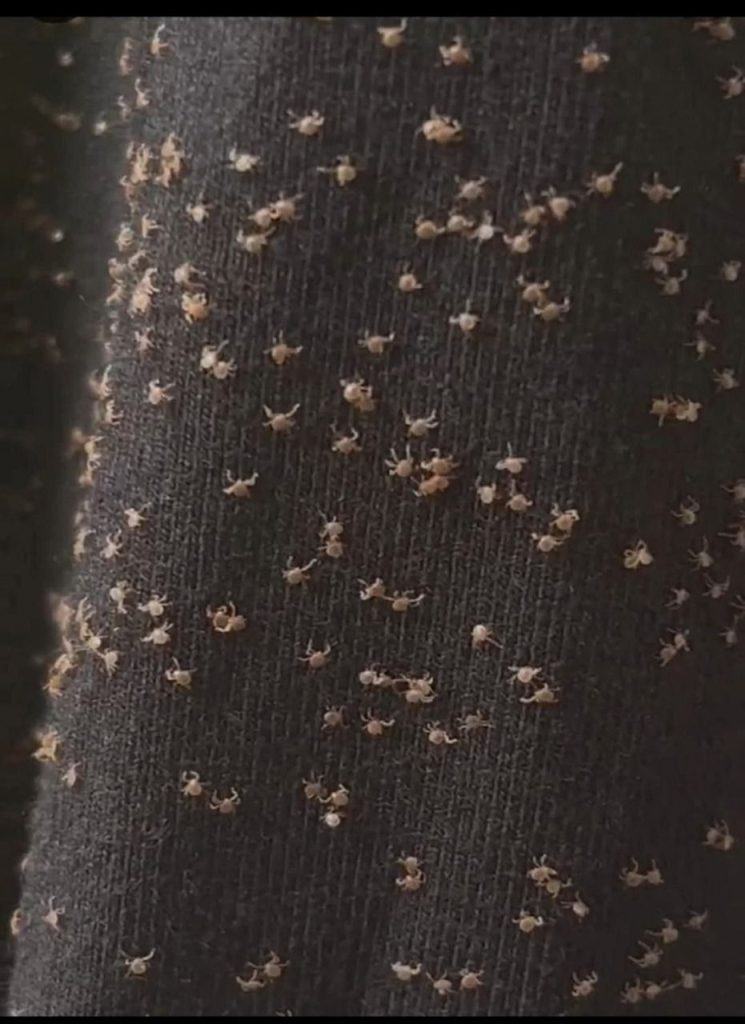
Have you ever taken a casual stroll through a lush park or an inviting field, only to find your trousers adorned with peculiar little clingers? This is a common scenario that many nature enthusiasts encounter. Upon returning home, you may glance down in surprise to find your pants seemingly covered in a collection of tiny, sticky seeds. What exactly are these tiny hitchhikers? Are they insects or perhaps remnants of some alien plant? Fear not, as the reality is both simpler and surprisingly captivating.
The Nature of the Hitchhikers
The tiny, unwelcome guests clinging to your clothing are most likely seeds from various plants, commonly referred to as burrs, stickseeds, or hitchhikers. These seeds are the result of a plant’s ingenious evolutionary adaptations designed to spread their progeny far and wide. Rather than depending solely on the whims of nature, such as wind or animal ingestion, some plants have developed seeds with specialized structures that enable them to attach themselves to anything that brushes past — be it fur, feathers, or even the fabric of your pants. This remarkable method of seed dispersal allows plants to expand their range and increase their chances of survival in diverse environments.
Why Do They Stick?
Upon closer inspection, you’ll find that the seeds often possess a variety of unique features that help them adhere to surfaces. Some common adaptations include:
- Tiny Hooks or Barbs: Many of these seeds feature small hooks or barbs reminiscent of Velcro. This structure allows them to latch onto fibers and surfaces with ease, ensuring they travel far from their origin.
- Fine Hairs: Some have delicate hairs that cling tightly to fabric or animal fur, enhancing their grip and ensuring they remain attached until a more suitable location is found.
- Sticky Coatings: Certain seeds are coated in a sticky resin that further secures their hold on clothing and other materials, making them even more effective hitchhikers.
These clever mechanisms enable seeds to hitch a ride far from their original location. Once they detach in a new environment, they have the opportunity to germinate and grow into new plants, perpetuating their species. This strategy not only enhances the survival of the individual plant but also contributes to the diversity of plant life in various ecosystems.
Common Hitchhiker Seeds
The specific types of hitchhiking seeds you may encounter often depend on your geographical location. However, several species are prevalent in many areas, including:
- Beggar’s Lice (Tick Trefoil): These seeds are small and flat, resembling velcro, and will cling to clothing, fur, and almost any surface they encounter. They are particularly notorious for their ability to attach to unsuspecting hikers.
- Burdock: Known for its larger, round burrs, burdock seeds have stiff hooks that inspired the development of the Velcro fastener. Their widespread presence in fields and along roadsides makes them a frequent encounter for those who venture outdoors.
- Goosegrass (Cleavers or “Sticky Willy”): These soft and fuzzy green seeds possess a sticky texture, making them particularly adept at adhering to clothing and animal fur. They thrive in gardens and fields, often becoming a nuisance for gardeners.
- Sandbur or Needle Grass: These seeds are notorious for their sharp, pointy burrs that can even puncture through thicker materials like socks. Their ability to cling tightly makes them a common irritant during outdoor activities.
During your adventures in nature, especially in areas with tall grass or dense brush, it’s highly likely that you will encounter these clever plants, which have perfected the art of seed dispersal. Understanding their characteristics not only helps in identifying them but also provides insights into their ecological roles.
How to Remove Them Effectively
While these hitchhiking seeds are fascinating, they can be quite a nuisance to remove. Here are some effective strategies for getting rid of them from your clothes:- Use a Lint Roller: One of the simplest ways to remove these seeds is by using a lint roller. The adhesive sheets will pick them up gently and effectively, making quick work of the task.
- Duct Tape: If a lint roller is unavailable, wrapping a piece of duct tape around your hand, sticky side out, can work wonders in lifting the seeds off the fabric. This method is particularly effective in accessing hard-to-reach areas.
- Fine-Tooth Comb or Tweezers: For those particularly stubborn seeds that refuse to budge, a fine-tooth comb or tweezers can be invaluable in gently prying them off without damaging the fabric.
- Brush Outside: It’s a good idea to do your seed removal outdoors. This prevents the potential spread of seeds onto your indoor carpets and furniture, as these hitchhikers can easily find new homes in your living space.
- Wash Your Clothes: After removing the visible seeds, washing your clothing in a washing machine can help dislodge any remaining seeds that may cling to the fabric. Using a lint trap can also help collect any loose seeds during the wash.
- Check Pets: If you brought your dog along for the adventure, don’t forget to check their fur as well; they can pick up seeds just as easily! Regular grooming can help avoid the complications of seed infestations.