Understanding the Causes and Solutions for an Itchy Scalp
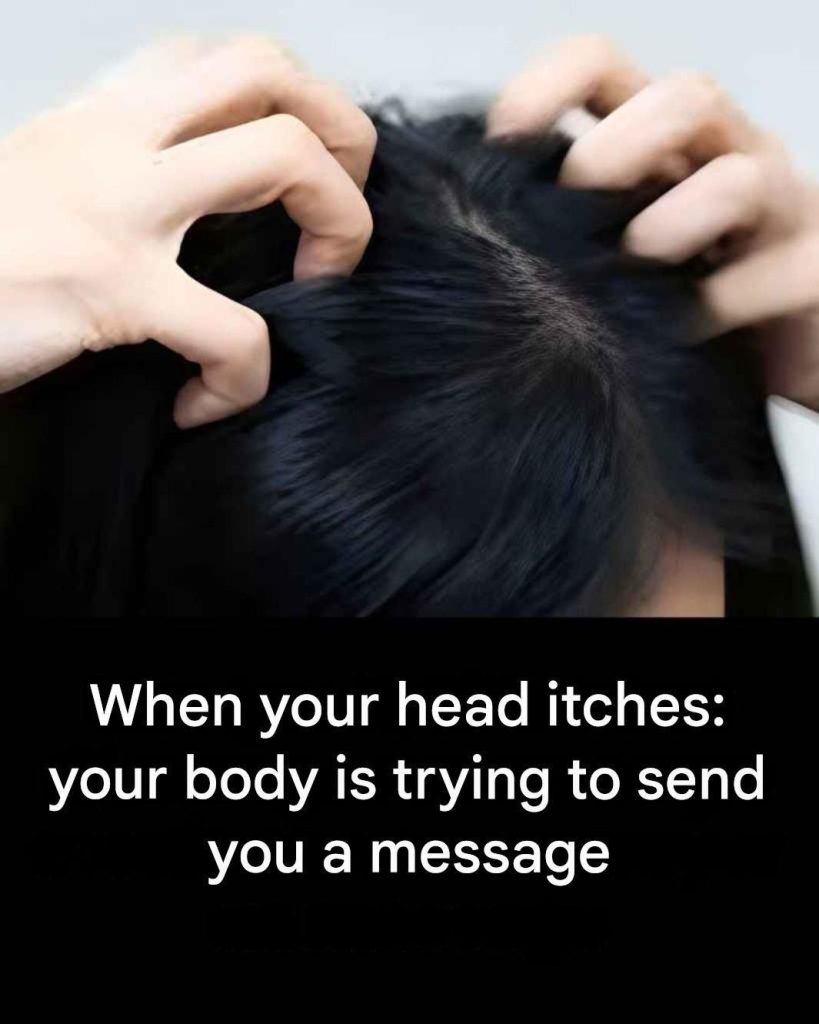
If you’ve ever experienced that irritating itchy sensation on your scalp that seemingly appears out of nowhere and intensifies throughout the day, you’re not alone. This discomfort is not merely an annoyance but often an indication that your scalp is trying to communicate an underlying issue. Various factors contribute to this problem, including stress, an imbalance in sebum production, or the use of harsh hair care products. Fortunately, there are effective strategies to address and prevent this condition. In this article, we will delve into the common causes of scalp itchiness and offer practical solutions to help you find relief.
The Leading Culprits: Dandruff and Seborrheic Dermatitis
When it comes to scalp irritation, dandruff and seborrheic dermatitis are often the primary suspects. Dandruff manifests as those bothersome white flakes that can be both embarrassing and itchy. This condition typically arises from an excess of sebum, which can occur due to hormonal fluctuations, dietary choices, or even seasonal changes. The use of hair products that irritate the skin, including certain gels and sprays, can exacerbate the problem. The more you scratch at these flakes, the more your scalp can become agitated, leading to a vicious cycle of itching and discomfort.
On the other hand, seborrheic dermatitis is a more severe condition characterized by chronic inflammation. It manifests as red patches accompanied by thick, yellowish scales that can spread beyond the scalp to areas such as the eyebrows, ears, and even the sides of the nose. This condition is believed to be linked to an overgrowth of a yeast called Malassezia, which thrives on the scalp. To effectively treat dandruff and seborrheic dermatitis, consider using specialized shampoos that contain ingredients such as ketoconazole, salicylic acid, or zinc pyrithione. These treatments can help to reduce inflammation and control the growth of yeast. If your symptoms persist for more than two weeks, it’s advisable to consult a dermatologist for tailored treatment options that may include prescription-strength medications.
Psoriasis: A Deeper Battle
Another significant cause of scalp itchiness is scalp psoriasis, an autoimmune disorder that causes the body to produce thick, red, scaly plaques. These patches can be extremely itchy, and persistent scratching may lead to bleeding or secondary infections. Psoriasis is often a lifelong condition, and its flare-ups can be triggered by various factors, including stress, infections, and certain medications. To manage scalp psoriasis effectively, corticosteroid lotions and medicated shampoos are often recommended. In severe cases, your healthcare provider may prescribe oral medications or phototherapy to help control the condition. It’s important to note that managing stress can play a crucial role in alleviating symptoms, as stress often exacerbates autoimmune disorders, including psoriasis.
Pityriasis: The Lesser-Known Challenge
While less common, pityriasis rosea can also impact the scalp. This condition typically begins as a large, dry patch on the skin, followed by several smaller patches that can appear on the scalp and other areas of the body. The appearance of these dry, scaly patches can be alarming, but there are ways to manage the discomfort. One effective method is to keep the scalp moisturized using soothing lotions containing ingredients like aloe vera or calendula. Additionally, incorporating gentle cleansing practices can help reduce irritation and promote healing. In many cases, pityriasis rosea resolves on its own within a few weeks or months, but the itchiness can be alleviated with topical treatments.Beyond the Physical: Psychological Factors
It’s essential to recognize that the scalp’s health is not solely physical; psychological factors such as stress and anxiety can significantly contribute to scalp irritation. High-stress levels can lead to increased sebum production, exacerbating issues like dandruff and seborrheic dermatitis. Furthermore, stress can trigger autoimmune responses that may worsen conditions such as psoriasis. Therefore, implementing stress-reduction techniques such as mindfulness, yoga, or regular exercise can be beneficial not only for your scalp but for your overall well-being. Engaging in activities that promote relaxation can help mitigate the impact of stress on your body and skin, leading to a healthier scalp.Practical Tips for Relief and Prevention
In addition to the treatment methods discussed, there are several practical steps you can take to relieve an itchy scalp and prevent future occurrences. First, consider adopting a gentle hair care routine that avoids harsh chemicals and sulfates. Opt for mild, soothing shampoos designed to maintain scalp health. Incorporating natural oils, such as tea tree oil or coconut oil, may also provide relief by reducing inflammation and moisturizing the scalp. Regular scalp massages can improve blood circulation, enhancing the overall health of your scalp and hair.Furthermore, staying hydrated and maintaining a balanced diet rich in vitamins and minerals can have a positive impact on your skin health. Foods high in omega-3 fatty acids, like salmon and flaxseeds, can help reduce inflammation, while antioxidant-rich fruits and vegetables support skin regeneration. Additionally, incorporating probiotics into your diet may improve gut health, which in turn can positively influence skin conditions. Lastly, avoid excessive heat styling and protect your scalp from environmental aggressors, such as sun exposure and pollution, to maintain its integrity. Wearing a hat during prolonged sun exposure can provide essential protection for your scalp.