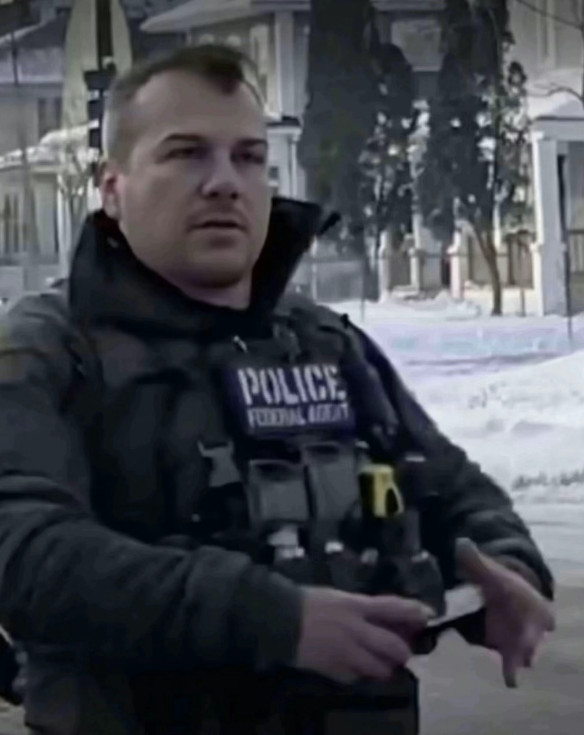
Tragic Shooting of Renee Nicole Good: A Deep Dive into the Incident
On January 7, 2026, a tragic incident unfolded in south Minneapolis, resulting in the death of a 37-year-old woman named Renee Nicole Good. During a federal immigration enforcement operation conducted by the U.S. Immigration and Customs Enforcement (ICE), an agent shot and killed Good, who was identified as a local resident and a U.S. citizen. This incident has raised numerous questions and ignited public outrage, sparking discussions about the roles and actions of federal agents in local communities. The shooting not only redefined the narrative surrounding immigration enforcement but also highlighted the growing tensions between federal authorities and the communities they serve.
The Sequence of Events Leading to the Shooting
According to reports from federal authorities, the shooting occurred when ICE agents approached Good’s vehicle, suspecting her of posing a threat. They claimed that she attempted to run over officers, which led to the agent’s decision to open fire. Homeland Security Secretary Kristi Noem characterized the incident as an act of self-defense, asserting that Good had exhibited aggressive behavior towards the agents earlier that day. The assertion from federal officials paints a picture of a high-stress situation, where the agents felt their lives were in imminent danger. However, it raises critical questions about the threshold for the use of lethal force in situations where non-lethal alternatives could have been employed.
Sadržaj se nastavlja nakon oglasa
Conflicting Perspectives from Local Officials and Witnesses
However, local officials and bystanders have vehemently disputed the federal narrative. Minneapolis Mayor Jacob Frey publicly challenged the federal account, stating that available video evidence does not support the claim that Good was attempting to harm the officers.
Eyewitnesses expressed that Good’s actions appeared to be those of a person simply trying to move her vehicle rather than a deliberate attempt to endanger the lives of the agents. This disparity in accounts has fueled skepticism among community members regarding the justification for the lethal use of force.
The community’s concern is not unfounded; many residents have expressed fear and mistrust towards federal agents, citing past experiences where aggressive tactics led to unnecessary violence.
Such sentiments are compounded by the broader context of historical police violence and systemic racism, which have marred relations between law enforcement and marginalized communities.
Public Outcry and Protests
The shooting has ignited a wave of protests across Minneapolis and other cities, with demonstrators condemning the actions of ICE and calling for the agency to cease operations in urban areas.
The local community’s response underscores a broader concern about the increasing militarization of immigration enforcement and its impact on public safety and community trust. Activists point to this incident as part of a troubling trend where federal agencies deploy aggressive tactics in communities that are already vulnerable.
Various local leaders, while urging peace, have voiced their disapproval of the use of deadly force in what they perceive as an unjustified situation. Additionally, social media platforms have become a battleground for discussions about the incident, with hashtags advocating for justice for Good trending across various platforms.
This online activism complements on-the-ground protests, illustrating the heightened awareness and mobilization around issues of police accountability and immigration reform.
The Investigation and Future Implications
In the wake of this tragic event, both state and federal authorities have initiated investigations to ascertain the precise circumstances surrounding the shooting and to evaluate whether the use of lethal force was warranted.
As of now, no formal legal charges have been filed against the ICE agent involved, and findings from the investigation remain pending. The lack of accountability in similar cases continues to be a contentious issue, and communities are left grappling with the implications of federal enforcement actions in their neighborhoods.
Legal experts have emphasized the need for transparency in the investigation process, noting that without a clear understanding of what transpired, communities may remain fractured and distrustful of law enforcement.
Furthermore, the legal outcomes of such investigations could set critical precedents for future interactions between federal agents and local populations, making the stakes even higher.
Community and National Discourse
The incident involving Renee Nicole Good is emblematic of a larger national conversation concerning immigration enforcement, police accountability, and civil rights. As communities across the United States face increasing tensions between local populations and federal agents, the demand for transparency and accountability has never been more urgent.
The tragic loss of a life, as witnessed in this case, serves as a stark reminder of the potential consequences of federal actions in local communities.
Advocacy groups are using this incident to call for comprehensive reforms in both immigration policy and law enforcement practices, emphasizing the need to prioritize human rights and community safety over punitive measures.
With public sentiment increasingly turning against perceived overreach by federal agencies, lawmakers may be compelled to revisit existing policies and consider reforms aimed at preventing future tragedies.
Conclusion: A Call for Reflection and Accountability
The shooting of Renee Nicole Good raises profound questions about the balance between law enforcement and civil liberties, especially in the context of immigration. It challenges us to reflect on the narratives we accept and the systems we uphold.
As investigations continue, there is a pressing need for community dialogue and reform to ensure that such incidents are thoroughly examined and that accountability is pursued. Moving forward, the community’s voice will be essential in shaping policies that prioritize safety, justice, and the dignity of all individuals.
This tragic event serves as a catalyst for change, urging policymakers, law enforcement, and community leaders to work collaboratively towards solutions that uphold the rights of individuals while ensuring public safety.
Ultimately, the legacy of Renee Nicole Good should inspire a renewed commitment to justice and equity, fostering a society where every citizen feels protected and valued.