
The Ultimate Guide to Cleaning Your Stove Grate
Cleaning a stove grate can often prove to be one of the most challenging and time-consuming tasks in the kitchen. Over time, these essential cooking components can accumulate stubborn layers of grease, grime, and carbon deposits that seem impossible to remove with traditional cleaning methods. After extensive experimentation with various techniques and products, I discovered a straightforward yet highly effective method that not only simplifies the process but also yields impressive results. This method is suitable for all types of grates, including those made from cast iron, stainless steel, and other metals.
Understanding the Build-Up
Before diving into the cleaning procedure, it’s important to understand why stove grates get so dirty in the first place. During cooking, especially when frying or grilling, food particles, oil, and other residues can splatter and settle onto the grate surface. These residues often accumulate due to high heat, which can cause oils to burn and stick. Over time, what starts as simple spills can harden and form stubborn deposits that are resistant to typical cleaning solutions. Conventional cleaners often fail to penetrate these layers, leading to frustration when trying to restore the grate to its former glory. Recognizing this buildup is the first step in effectively tackling it. Understanding the nature of the grime can help you choose the right products and methods.
The Boiling Method: Step-by-Step
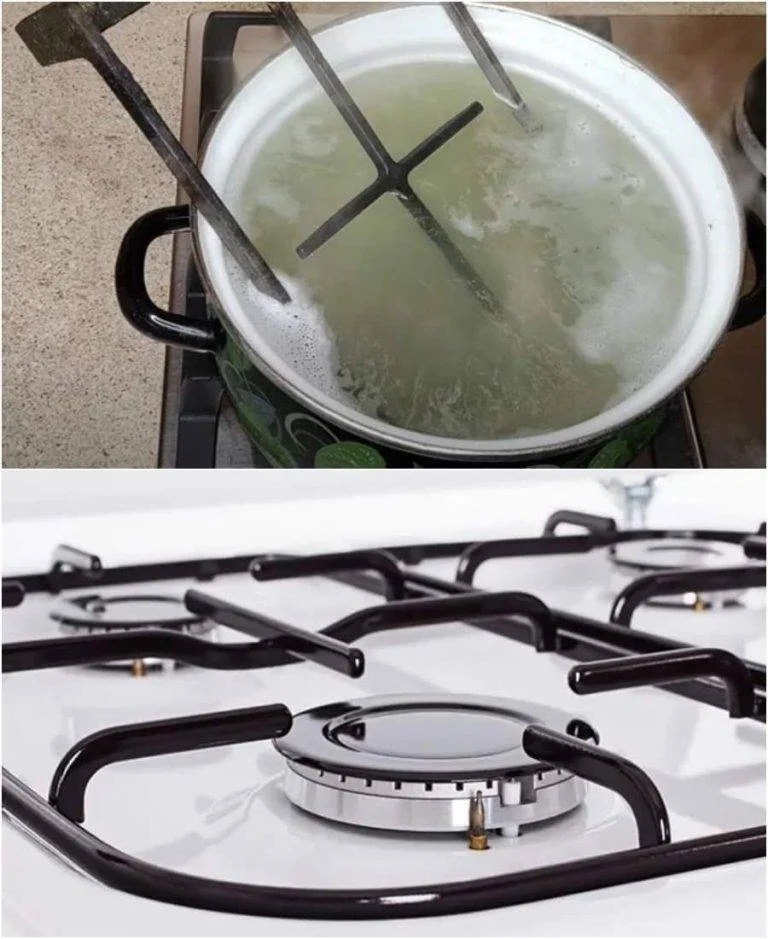
The method I have found most effective involves boiling the grate in a solution that helps break down these tough deposits. To start, you’ll need a large pot that can comfortably hold the entire stove grate. Fill the pot with enough water to cover about half of the grate when it is submerged. Once you have the water in the pot, add two dishwasher tablets. These tablets are not just for washing dishes; their strong detergent properties are excellent for cutting through grease, soot, and carbon buildup. The enzymes and surfactants in these tablets make them incredibly effective for this task.
After adding the dishwasher tablets, turn on the heat and bring the water to a boil. This process allows the detergent to dissolve fully, which enhances its effectiveness. Once boiling, carefully place the grate into the pot, ensuring that the dirtiest side is submerged first. Allow the grate to boil for approximately thirty minutes. This step is crucial, as the combination of heat and the detergent from the tablets will work synergistically to loosen even the most stubborn grease and carbon deposits. During this time, consider the transformation taking place in the pot; stubborn grime is breaking down, making your subsequent cleaning efforts significantly easier.
Post-Boiling Cleaning
Once the thirty minutes have elapsed, turn off the heat and use tongs or oven mitts to carefully remove the grate from the pot, as it will be extremely hot. It’s crucial to start cleaning the grate while it is still warm. At this point, you’ll find that most of the grease has softened significantly, making it easier to clean. Use a sponge, scrub brush, or an old toothbrush to tackle the remaining grime. The heat will have done most of the hard work for you, allowing you to scrub with little resistance. For any particularly stubborn carbon deposits, a gentle scrape with the edge of a knife can help to remove them without damaging the grate. Pay special attention to the corners and edges, as these are often areas where grease can accumulate unnoticed.
Repeat for Perfect Results
After thoroughly cleaning the first side, rinse it with warm water to eliminate any leftover detergent. Then, flip the grate over, submerge the dirty side in the boiling water, and repeat the boiling and cleaning process. This two-stage method ensures that every inch of your grate receives the necessary attention for a deep clean, allowing you to maintain your cooking equipment in top condition. Each side of the grate deserves the same level of attention, ensuring that no residue is left behind to affect the flavor and quality of future meals.Benefits of This Method
One of the greatest advantages of using this boiling method with dishwasher tablets is its efficiency. Many conventional cleaning products can be harsh and contain chemicals that are damaging to both the environment and your health. By utilizing this natural boiling method, you minimize the need for such products, resulting in a cleaner kitchen and a more eco-friendly approach. This is particularly relevant in today’s environmentally conscious society, where many are seeking sustainable alternatives to traditional cleaning products.
Additionally, regular use of this cleaning technique can significantly improve the lifespan of your stove grate. A well-maintained grate not only looks better but also performs better, allowing heat to distribute evenly during cooking. Moreover, this cleaning method is cost-effective, as it utilizes common household items and avoids the purchase of expensive cleaning solutions. By adopting this straightforward approach, you not only save time and money but also contribute to a healthier cooking environment.
Conclusion
Maintaining a clean stove grate doesn’t have to be a daunting task. Armed with the right technique and a few simple ingredients, you can effortlessly restore your grates to their original luster. The boiling method not only simplifies the cleaning process but also provides a thorough cleaning that conventional methods often overlook. By incorporating this technique into your regular kitchen routine, you can enjoy a clean and hygienic cooking environment with minimal effort. Consider setting a schedule to clean your stove grates regularly, perhaps monthly, to stay ahead of the grime. With this proactive approach, your kitchen equipment will always remain in top condition, enhancing your cooking experience and ensuring delicious meals every time.
















