
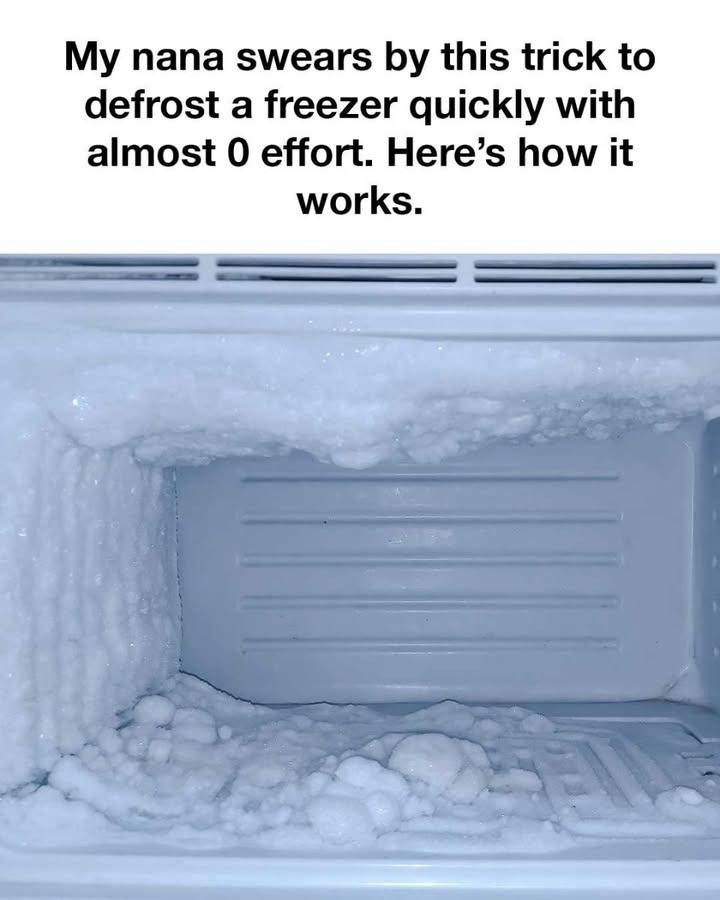
A Comprehensive Guide to Defrosting Your Freezer: Tips and Techniques
Defrosting your freezer is a necessary maintenance task that ensures optimal performance and longevity of the appliance. Regularly removing built-up ice not only contributes to energy savings but also prolongs the life of your freezer, preventing potential breakdowns and costly repairs. In this detailed guide, we will delve deeper into the entire defrosting process, covering various techniques, tips, and materials that make this chore simple and effective. By learning these methods, you can keep your freezer running smoothly and efficiently, ultimately saving you money and time in the long run.
The Step-by-Step Defrosting Process
To begin the defrosting process, it’s vital to properly prepare your freezer and the surrounding area. Start by unplugging your freezer carefully. This ensures that no electricity is flowing during the defrosting process, eliminating any risk of electrical mishaps. Following this, remove all the items stored inside, including food and any other contents. This step is crucial not only to prevent spoilage but also to allow for a thorough cleaning of the freezer. Consider placing your frozen items in a cooler filled with ice packs to help maintain their temperature while you work.
Once the freezer is empty, place towels or old blankets at the bottom to absorb any water from the melting ice. This simple precaution will save you from a messy cleanup. Next, fill a large bowl with hot water and place it inside the freezer. The steam generated from the hot water will expedite the melting process, allowing the ice to loosen more quickly. Close the freezer door and allow the steam to work its magic for about 20 to 30 minutes. If you notice that the ice isn’t melting as quickly, you can add more hot water to speed up the process.
After this time, check the progress. At this point, you may notice that some of the ice has started to loosen. Gently use a plastic spatula to pry away any remaining ice, being careful not to damage the internal surfaces of the freezer. If necessary, you can repeat the hot water process to help with any stubborn patches. It’s important to be patient during this phase; rushing the removal of ice can lead to damage. Once all the ice has been successfully removed, wipe down the interior surfaces with a clean cloth, removing any residual moisture before plugging the freezer back in. This will help prevent any new ice from forming too quickly.
Materials and Tools Needed for the Process
This defrosting method is not only effective but also uses common household items. Here’s a list of materials and tools you will need:
- A large bowl for hot water
- Hot water to create steam
- Towels to absorb melting ice
- A plastic spatula to remove ice safely
- A clean cloth for wiping down surfaces
These items are typically found in most households, making this method accessible and cost-effective for everyone. With just a few simple ingredients, you can optimize your freezer’s efficiency without the need for expensive tools or chemicals.
Safety Precautions and Considerations
While this defrosting technique is generally safe and straightforward, it is crucial to take certain precautions. Firstly, ensure that the freezer is unplugged before you start the process to avoid any risk of electrical hazards. Additionally, always opt for a plastic spatula instead of a metal one to prevent scratches or damage to the internal surfaces of your freezer. When handling hot water, exercise caution to avoid burns or spills. It’s advisable to wear rubber gloves for extra protection, especially if you have sensitive skin. Moreover, keep children and pets away from the area while you are defrosting to prevent accidents.
Benefits of Using This Defrosting Technique
This method of defrosting offers several advantages over traditional techniques. Primarily, it is quick and efficient, requiring minimal physical effort and time. By reducing the defrosting time, you also diminish the risk of food spoilage as your frozen items are out for a shorter duration. Moreover, this technique helps maintain the efficiency of your freezer by preventing excessive ice buildup, which can hamper cooling performance. For instance, when ice builds up, it creates additional insulation that makes it harder for the compressor to maintain the desired temperature, leading to increased energy consumption.
Comparing Traditional Methods to Modern Techniques
Traditional defrosting methods often involve lengthy hours of waiting, leading to a wet and messy cleanup once everything thaws. In sharp contrast, the steaming method significantly reduces the time required for defrosting and simplifies the entire process. The natural steam from hot water is not only effective in loosening ice but also presents a more environmentally friendly approach compared to chemical defrosters, which may contain harsh substances that can be harmful to both your health and the environment. Furthermore, opting for this natural method means you won’t need to purchase additional products, making it budget-friendly as well.
Frequently Asked Questions About Freezer Defrosting
As with any home maintenance task, questions often arise about best practices. Here are some common queries to help guide you through the defrosting process:
- How often should I defrost my freezer? It is recommended to defrost your freezer once or twice a year, or whenever the ice buildup exceeds a quarter-inch.
- Can I use this method for a frost-free freezer? While frost-free freezers typically don’t require manual defrosting, if ice does build up, this method can still be effectively employed.
- What should I do with the food during defrosting? To prevent spoilage, store your food in a cooler with ice packs, ensuring it remains cold while you complete the defrosting process.
- Can I speed up the defrosting process? Yes, using hot water as described in this guide significantly speeds up the process, but always ensure to monitor the ice removal carefully to avoid damage.
By following these guidelines and employing the steaming method, you can successfully maintain your freezer’s efficiency and prolong its lifespan while ensuring your food remains safe and well-preserved. Keeping your freezer well-maintained not only benefits your kitchen but also contributes to overall energy efficiency in your home.
















