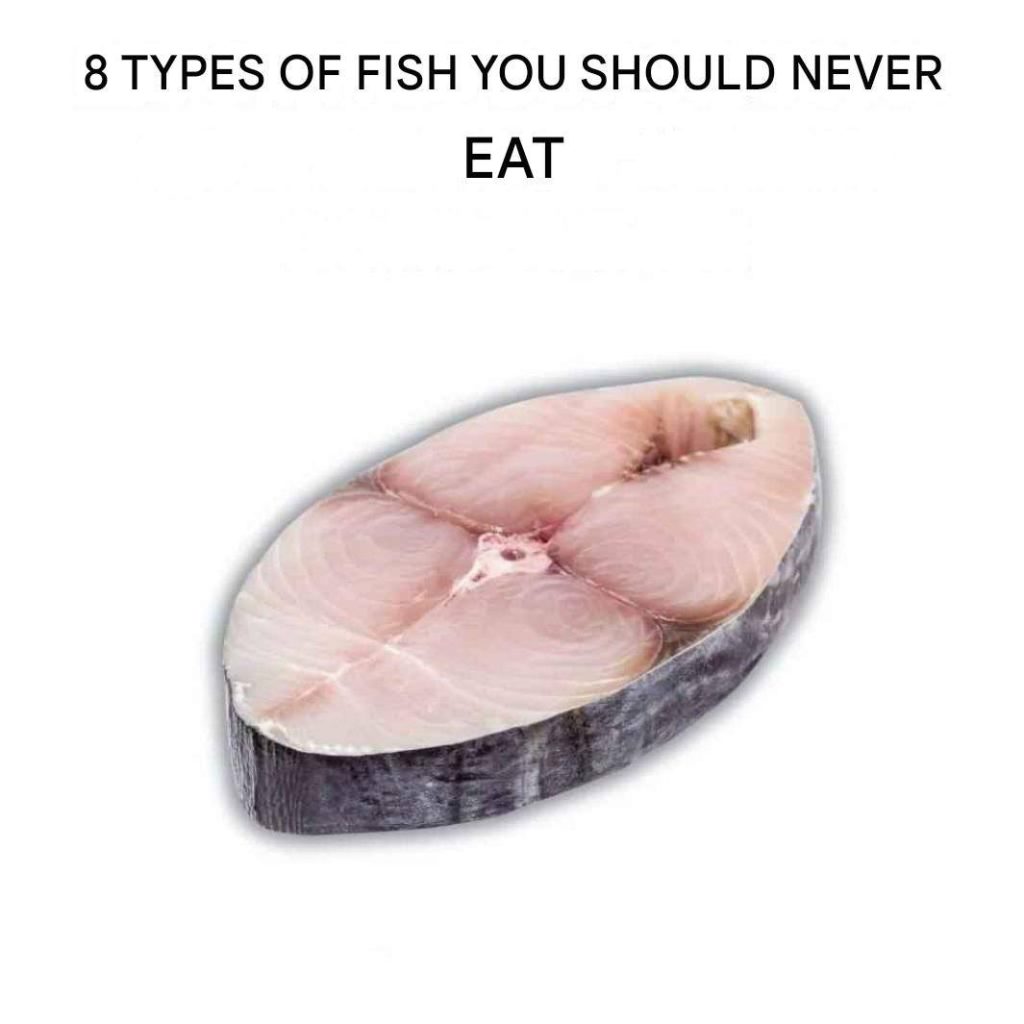
Threatened Marine Species: A Call for Sustainable Choices
The state of the world’s oceans is increasingly precarious, and certain fish species are facing severe threats that could lead to their extinction. Among these is the bluefin tuna, a fish highly prized in Japanese cuisine and often regarded as a delicacy.
Unfortunately, the bluefin tuna has become a symbol of the devastating impacts of industrial fishing practices. Overfishing, driven by high demand and commercial profit, has placed this majestic fish on the brink of extinction.
Conservationists are now urging consumers to shift their focus to more sustainable options, recommending alternatives like albacore or yellowfin tuna from certified sustainable fisheries. The bluefin tuna is not merely a fish; it embodies a larger narrative about our relationship with the ocean and our responsibility to protect its inhabitants.
The Misconception of Tilapia
Often marketed as a healthy choice, tilapia has garnered a misleading reputation. The reality is that this fish is commonly produced in overcrowded farms where they are fed artificial diets, leading to a significant loss of nutritional value.
Studies suggest that tilapia has a poor balance of omega-3 and omega-6 fatty acids, which can contribute to inflammation in the body. This reality contradicts the common perception of tilapia as a heart-healthy alternative to red meat.
For instance, research has shown that the consumption of tilapia may actually elevate inflammation markers in the body, which is particularly concerning for individuals with existing health issues.
In light of this, it is crucial for consumers to be discerning about their fish choices and to be aware that tilapia may not be the healthy alternative it is often portrayed to be.
Education on the sourcing of tilapia and its nutritional profile is essential for making informed choices about our diets.
The Decline of the European Eel
Another species facing a grim future is the European eel. This remarkable creature, known for its unique life cycle and migratory behavior, has seen its numbers plummet due to overfishing and habitat degradation.
The situation is exacerbated by pollution, which results in the accumulation of heavy metals and polychlorinated biphenyls (PCBs) in their flesh. These toxic substances pose serious risks not only to the eel population but also to human health.
Consuming European eel can have detrimental effects on both biodiversity and individual well-being, as it can lead to health issues stemming from toxic exposure.
The European eel is currently listed as Critically Endangered by the International Union for Conservation of Nature (IUCN), compounding the urgency for consumers to reconsider their seafood choices. Efforts to restore their habitats and enforce fishing regulations are crucial steps needed to preserve this species.
Mercury Concerns: The Case of King Mackerel
When it comes to seafood, mercury contamination is a significant concern. The king mackerel, a larger relative of the Atlantic mackerel, is known for its high mercury levels. This neurotoxin poses serious health risks, especially to vulnerable populations such as pregnant women and children.
Thus, it is advisable to opt for smaller mackerel species, which tend to have lower levels of contamination. The FDA has issued guidelines advising consumers to limit their intake of king mackerel due to the potential health risks associated with mercury exposure.
This simple choice can significantly reduce exposure to harmful substances while still allowing consumers to enjoy the benefits of fish. For example, the Atlantic mackerel is not only lower in mercury but is also rich in omega-3 fatty acids, making it a healthier alternative.
The Hidden Dangers of Farmed Salmon
Salmon is often lauded for its health benefits, but the reality of factory-farmed salmon is more troubling than it appears. These fish are raised in unnaturally high densities, which necessitates the use of antibiotics to prevent disease outbreaks.
Furthermore, their diets are often supplemented with artificial feed, leading to a buildup of contaminants in their flesh. In fact, conventional farmed salmon may contain up to 16 times more pollutants than their wild counterparts.
Not only does this raise questions about the safety of consuming farmed salmon, but it also highlights the ethical concerns surrounding intensive aquaculture practices. For those prioritizing health, choosing organic or wild-caught salmon is a far superior option.
This choice not only supports better health outcomes but also encourages more sustainable fishing practices that benefit ecosystems.
Choosing Wisely: Alternatives to Avoid
Likewise, the swordfish, a top predator in the ocean, is another fish to approach with caution. Due to its position in the marine food chain, swordfish accumulates high levels of mercury and other environmental pollutants, posing significant neurological risks to consumers, especially pregnant women and young children.
Similarly, the ray is increasingly fragile, suffering from overfishing and slow reproduction rates, causing its populations to dwindle. It is crucial to recognize the importance of sustainable eating habits that preserve marine biodiversity while promoting personal health.
The culinary landscape is rich with alternative species that are not only nutritious but also more sustainable, allowing consumers to enjoy seafood guilt-free. For instance, choosing fish like mackerel, sardines, and herring can be both a flavorful and responsible choice.
Healthy and Sustainable Fish Choices
In contrast, there are several fish options that are both nutritious and environmentally sustainable. Sardines are an excellent choice; they are rich in omega-3 fatty acids, low in contaminants, and incredibly affordable. Similarly, Atlantic mackerel offers a wealth of essential fatty acids with minimal heavy metal content.
Wild salmon is another fantastic option, being highly nutritious and low in pollutants, while herring provides a balanced source of protein, vitamin D, and protective fatty acids. These species are often more resilient to fishing pressures and provide a healthier option for consumers.
By making informed choices, consumers can enjoy delicious seafood while contributing to the health of our oceans. Sustainable fishing practices not only protect individual species but also help maintain the delicate balance of marine ecosystems.
Ultimately, the responsibility lies with each of us to make conscientious seafood choices that benefit our health and the environment. The shift towards sustainable fishing practices is critical in safeguarding endangered species and ensuring the longevity of marine ecosystems.
By prioritizing responsible consumption and supporting sustainable fisheries, we can all contribute to a brighter future for our oceans and the diverse life they sustain.
This collective effort can lead to a resurgence of fish populations and a healthier ocean, enabling future generations to enjoy the rich bounty of the sea. Embracing sustainability in our seafood choices is more than a trend; it is a critical necessity for the health of our planet.