
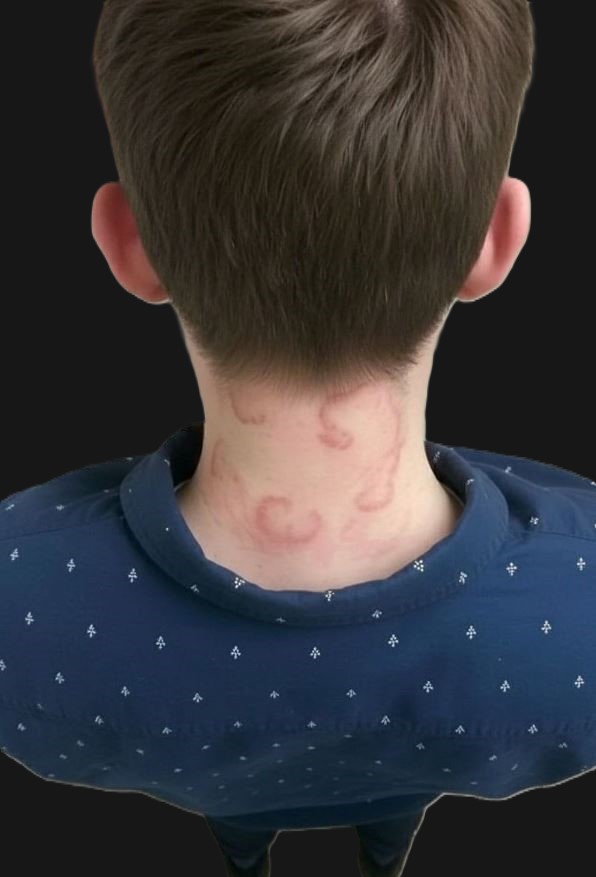
Understanding Urticaria: Beyond the Surface Rash
What often starts as a seemingly innocuous itch can escalate into a perplexing and distressing condition known as urticaria, or more commonly, hives. Initially manifesting as localized skin irritation, many individuals might dismiss these symptoms as allergic reactions due to food, insect bites, or contact with certain materials. However, the reality of urticaria is more complex, affecting not just the skin but also the quality of life for those experiencing it. This article aims to delve deeper into the intricacies of urticaria, exploring its types, triggers, diagnosis, treatment options, psychological impact, and lifestyle adjustments necessary for effective management.
What is Urticaria?
Urticaria is characterized by the sudden appearance of raised, itchy welts on the skin, which can vary in size and shape. Described as wheals, these welts can arise anywhere on the body and may be accompanied by redness, swelling, and sometimes a burning sensation. The condition primarily stems from the release of histamine and other chemicals in the body, leading to inflammation and swelling of the affected skin areas. Although it may seem like a benign skin issue, urticaria could signify underlying health problems that necessitate comprehensive medical evaluation. Indeed, many individuals who experience chronic urticaria often report a correlation with autoimmune disorders, infections, or even stress-related hormonal changes, highlighting the need for a holistic approach to treatment.
The Different Types of Urticaria
Urticaria can be classified into various types, each with distinct triggers and symptoms. The most common forms include:
- Acute Urticaria: This type lasts less than six weeks and often has identifiable triggers, such as specific foods, medications, or infections. For instance, an individual might develop hives after consuming shellfish or taking an antibiotic.
- Chronic Urticaria: This persists for six weeks or longer and can sometimes occur without any identifiable cause. Studies have shown that chronic urticaria can significantly impact the quality of life, as patients may face recurrent symptoms with no clear resolution.
- Physical Urticaria: This sub-class includes conditions triggered by physical stimuli such as pressure (dermatographism), cold (cold urticaria), heat (heat urticaria), and solar exposure (solar urticaria). Patients may experience episodes of hives after engaging in activities like exercising, being in cold environments, or even prolonged exposure to sunlight.
This differentiation is crucial, as chronic urticaria can be particularly challenging to manage and may require a multifaceted treatment approach that often incorporates lifestyle changes, medication, and psychological support.
Common Triggers for Urticaria
Identifying the triggers of urticaria can be vital in preventing outbreaks. Common culprits include:
- Foods: Foods such as nuts, shellfish, eggs, and even certain fruits like strawberries and tomatoes are known to provoke allergic reactions in some individuals.
- Medications: Certain medications, particularly antibiotics and non-steroidal anti-inflammatory drugs (NSAIDs), can trigger urticaria. It is crucial for patients to inform their healthcare providers of any known drug allergies.
- Environmental Factors: Pollens, pet dander, and insect stings are frequent triggers. For instance, a person may experience hives after being stung by a bee or exposed to pollen during allergy season.
- Physical Factors: As mentioned, temperature changes, pressure on the skin, and sunlight exposure can lead to specific types of physical urticaria. For example, individuals with cold urticaria might experience hives after swimming in cold water.
Understanding these triggers is essential for those affected by urticaria, as it allows them to take preventive measures and minimize flare-ups.
Diagnosis and Treatment Options
Diagnosing urticaria typically involves a thorough medical history and physical examination. Healthcare providers may conduct allergy tests to identify specific allergens, but many cases remain idiopathic, meaning the cause is unknown. It’s worth noting that chronic urticaria often requires a more extensive workup, including blood tests to rule out autoimmune conditions or infections.
Treatment options vary based on the severity of symptoms and may include:
- Antihistamines: These are the first-line treatment for urticaria, effectively blocking histamine receptors to reduce itching and swelling.
- Corticosteroids: In cases of severe or persistent hives, short courses of corticosteroids may be prescribed to manage inflammation.
- Immunotherapy: For chronic cases that don’t respond to standard treatments, newer therapies such as omalizumab may be considered, which has shown efficacy in reducing symptoms for individuals with chronic spontaneous urticaria.
It’s essential for individuals suffering from chronic urticaria to work closely with a healthcare professional to develop a tailored management plan that addresses both the physical and emotional aspects of the condition. Regular follow-ups can help adjust treatment protocols as needed, ensuring optimal care.
The Psychological Impact of Urticaria
Beyond the physical symptoms, urticaria can have a profound psychological impact on individuals. The unpredictability of flare-ups can lead to anxiety and frustration, affecting daily activities and social interactions. Many patients report feeling self-conscious about their appearance during an outbreak, which can contribute to feelings of isolation. The stigma attached to visible skin conditions often exacerbates these issues, leading to decreased self-esteem and social withdrawal. As a result, mental health support is crucial for those suffering from chronic urticaria. Cognitive-behavioral therapy (CBT) has been shown to be beneficial for many patients, helping them develop coping strategies to deal with the emotional toll of their condition. Additionally, support groups can provide valuable community support, allowing individuals to share experiences and strategies with others who understand their challenges. Recent studies have indicated that addressing the psychological component of chronic urticaria can improve overall treatment outcomes, highlighting the importance of a holistic approach.Living with Urticaria: Lifestyle Adjustments
Managing urticaria often requires significant lifestyle adjustments. Individuals may need to keep a detailed diary of their symptoms and potential triggers to better understand and mitigate their condition. This practice not only aids in identifying patterns but can also empower patients to take an active role in their management. Some helpful lifestyle changes include:- Wearing Loose-fitting Clothing: Tight clothing can exacerbate symptoms, so opting for breathable, loose-fitting fabrics can help minimize irritation.
- Avoiding Known Irritants: Once triggers are identified, avoiding them can significantly reduce the frequency of outbreaks. This may include dietary changes, avoiding certain medications, or taking precautions during allergy season.
- Practicing Stress-reduction Techniques: Stress is a known trigger for many individuals with urticaria. Activities such as yoga, meditation, and deep-breathing exercises can help reduce stress levels and potentially decrease the frequency of flare-ups.
















