
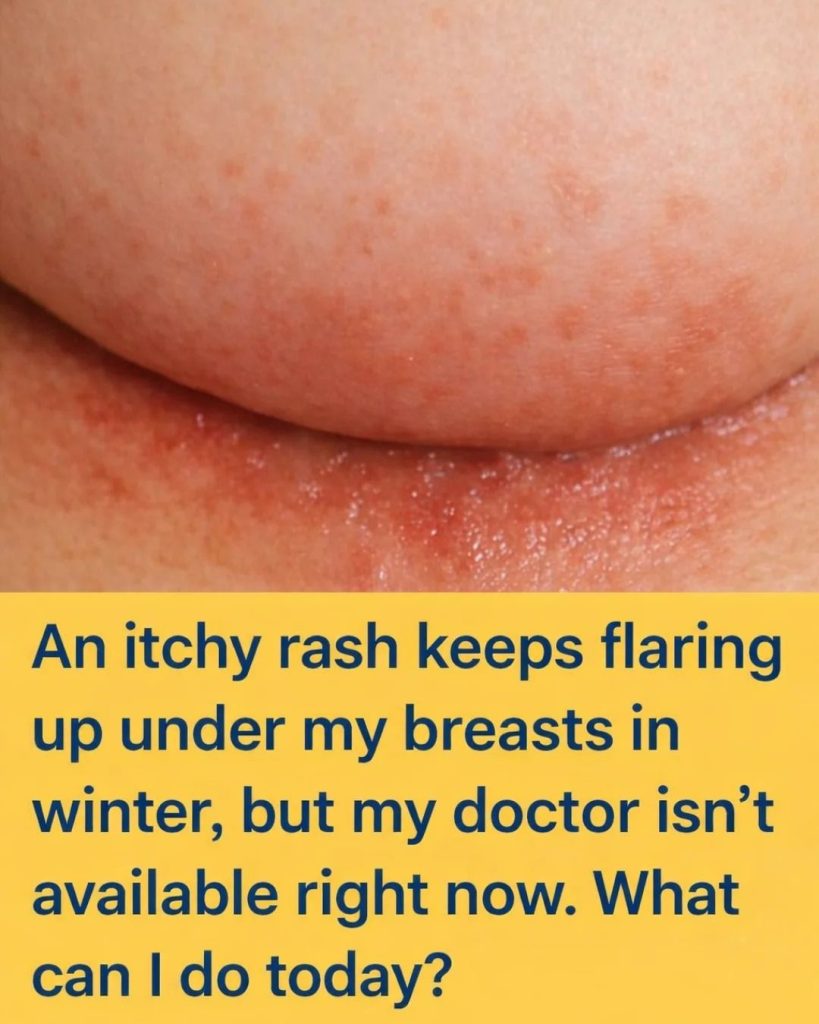
Managing Winter Skin Issues: A Comprehensive Guide to Under-Breast Rashes
As winter approaches, many individuals notice significant changes in their skin. The combination of cold, dry air outside and the prevalence of indoor heating creates a perfect storm that can strip moisture from the skin. This seasonal shift often leads to irritation, particularly in sensitive areas such as under the breasts. The under-breast region, being a natural fold in the skin, is particularly susceptible to heat, moisture, and friction, making it a prime target for rashes during the colder months. Understanding the factors that contribute to these skin problems is crucial for effective prevention and treatment.
One of the most common types of rashes that may develop in this area is known as intertrigo. This condition arises in warm, moist skin folds where friction occurs. It is more prevalent under the breasts due to the anatomy of the body and the way clothing fits. During winter, wearing multiple layers of clothing can trap heat and sweat in these skin folds, creating an ideal environment for irritation and potential overgrowth of yeast or bacteria. Recognizing the symptoms of intertrigo is crucial for timely management. Symptoms typically include:
- Red, inflamed skin
- Itching or a burning sensation
- A raw or shiny appearance of the skin
- A mild, musty, or sour odor
If you notice that the rash worsens with sweating and improves when the area is kept dry, intertrigo is likely the cause. However, while many rashes are generally mild, it’s essential to be vigilant about any red-flag symptoms that could indicate a more serious condition. If you experience severe or rapidly escalating pain, spreading redness, pus or oozing, fever, chills, blisters, or blackened skin, it is critical to seek urgent medical care, as these could signify a bacterial infection requiring treatment.
Step-by-Step Management of Under-Breast Rash
In instances where a healthcare provider isn’t immediately available, you can take proactive steps to calm the rash, alleviate irritation, and prevent it from worsening. Here’s a practical, step-by-step guide on how to effectively manage an under-breast rash during the winter months:
1. Gentle Cleansing
Begin by gently cleansing the affected area once or twice a day with lukewarm water and a mild, fragrance-free cleanser. It is vital to avoid using harsh soaps or scrubbing the area, as this can further damage the skin barrier. Instead, opt for your hands or a very soft cloth to clean the skin, minimizing friction that could exacerbate inflammation. Harsh scrubs and irritants can disrupt the skin’s natural defense mechanisms, leading to further complications.
2. Pat Dry and Control Moisture
After cleansing, moisture control is paramount. Pat the area dry gently with a soft towel, ensuring that it is completely dry to avoid any further irritation. To aid in this process, consider lifting the breast to expose the fold fully, and use a fan or a hairdryer on a cool setting to eliminate any hidden moisture. This simple technique can significantly reduce itching and discomfort. Additionally, consider dedicating a specific towel for this purpose, free from fabric softeners and fragrances that could exacerbate sensitivity.
















