The Allure of San Sebastián-Style Cheesecake: A Modern Culinary Marvel
San Sebastián-style cheesecake has emerged as a celebrated dessert that resonates with dessert enthusiasts around the globe.
Originating from the Basque region of Spain, this cheesecake is not just a treat; it is a culinary masterpiece that captures the essence of simplicity while delivering a rich and indulgent flavor profile.
Thanks to its unique textures and innovative baking process, San Sebastián cheesecake has redefined how we think about traditional desserts. With a few basic ingredients, the transformation into a mouthwatering dessert is nothing short of extraordinary, showcasing the beauty of modern pastry arts.
A Contemporary Take on a Classic Dessert
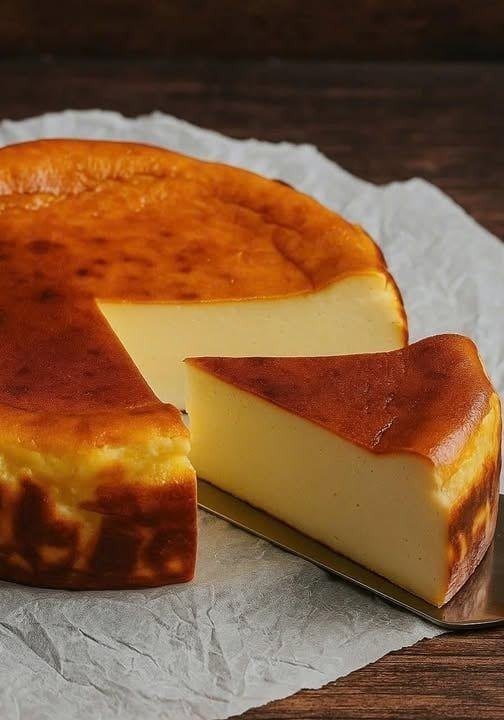
This cheesecake has grown in popularity due to its unique texture and flavor that sets it apart from traditional cheesecakes. Characterized by a creamy, luscious center and a delightfully caramelized top, this dessert is known for its rustic appearance, often baked in a simple springform pan.
Unlike its New York counterpart, which is dense and often chilled before serving, the San Sebastián cheesecake is typically served warm, slightly jiggly in the center, creating an irresistible contrast that captivates the palate.
The caramelized crust adds a hint of bitterness, which balances the overall sweetness of the cheesecake, making every bite a complex yet harmonious experience.
Ingredients That Make a Difference
The beauty of San Sebastián cheesecake lies in its straightforward list of ingredients, each playing a crucial role in crafting its distinct flavor and texture. The primary ingredient is 600 grams of high-quality Philadelphia-style cream cheese, which forms the basis of the cake.
Its rich, creamy texture is essential for achieving the silky finish that this cheesecake is famous for. This specific type of cream cheese contributes a mild tanginess, enhancing the overall flavor without overpowering the dessert.
In addition to cream cheese, four large eggs are integral to the structure of the cheesecake. They provide the necessary binding that holds the cake together while contributing to the coveted slightly set center, which is a hallmark of this dessert.
The incorporation of 250 grams of sugar adds a balanced sweetness that enhances the cream cheese’s flavor without overwhelming it, all while contributing to the cheesecake’s beautifully golden crust. Furthermore, 400 milliliters of whipping cream elevates the dessert, infusing it with a rich creaminess that makes each bite melt in your mouth.
The luxurious texture achieved from the cream is what sets this cheesecake apart and makes it a favorite among dessert connoisseurs.
Optional Ingredients for Enhancement
While the core ingredients create a satisfying dessert, optional elements such as one tablespoon of wheat flour can aid in stabilizing the mixture for those who may be uncertain about their baking skills. Although the flour is not necessary for experts, it can provide peace of mind for novice bakers.
Additionally, some people experiment with alternative flours like almond or coconut flour for a gluten-free version. Another optional ingredient, one teaspoon of vanilla extract, can introduce a subtle yet important layer of flavor that rounds out the taste profile of this cheesecake.
Some bakers even go a step further by adding citrus zest, such as lemon or orange, for a fresh twist that brightens the richness of the dessert.
Preparing the San Sebastián Cheesecake: A Step-by-Step Guide
Creating this delectable cheesecake is a straightforward process that allows bakers of all levels to shine in the kitchen. To begin, preheat your oven to 220°C (428°F). Next, combine the cream cheese and sugar in a large mixing bowl, beating them together until smooth and free of lumps.
This crucial step ensures that sugar dissolves completely, preventing any graininess in the final product. Gradually incorporate the eggs, ensuring each one is fully blended before adding the next. This step is vital for achieving a uniform texture, as overmixing can lead to a denser cake.
Once the eggs are fully integrated, gently fold in the whipping cream, followed by any optional ingredients like flour and vanilla extract. The mixture should be smooth and glossy, ready to be poured into a lined springform pan.
The key to success lies in not over-mixing at this stage; a gentle fold helps retain air, giving the cake an airy structure. Bake the cheesecake for approximately 25 to 30 minutes or until the top is a rich, dark brown, and the center is still slightly wobbly.
After baking, allow the cheesecake to cool in the pan, which helps it set further and develop a more intricate flavor profile. Cooling it at room temperature before refrigerating also allows for a better texture.
A Sweet Finale to Any Occasion
San Sebastián-style cheesecake is more than just a dessert; it is a celebration of flavors and textures that can elevate any dining experience. Whether served at a dinner party, a special occasion, or simply as a delightful treat after a meal, this cheesecake impresses with its elegant simplicity.
Its creamy center and caramelized top make it a dish that is not only delicious but also visually appealing, adding an artistic touch to any dessert table.
Imagine slicing into a perfectly baked cheesecake, the warm and creamy center oozing slightly, contrasting with the crisp, caramelized edges that hold it together.
As this modern classic continues to gain popularity, mastering the art of preparing San Sebastián cheesecake is an endeavor worth pursuing.
By offering a taste of Basque tradition reimagined through contemporary techniques, this dessert invites everyone to indulge in a gastronomic journey that reflects both the heritage and innovation of modern baking.
So gather your ingredients, preheat your oven, and embark on your culinary adventure with this irresistible cheesecake—your taste buds will thank you!