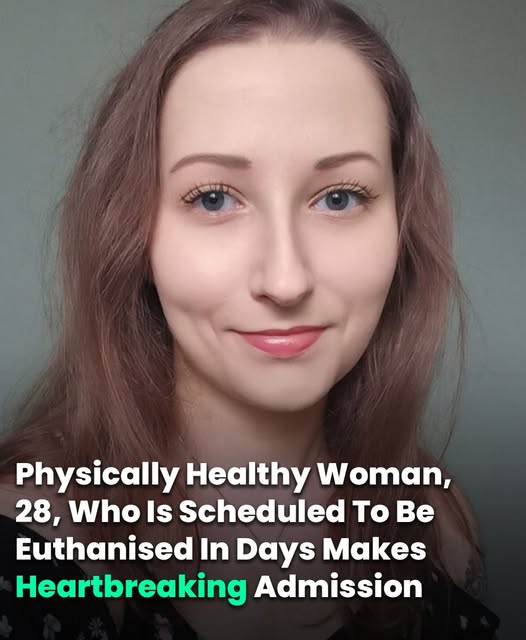
The Complex Case of Zoraya ter Beek: Euthanasia and Mental Health in the Netherlands
In a poignant and controversial case, Zoraya ter Beek, a 28-year-old woman from the Netherlands, has publicly announced her intention to undergo euthanasia next month. This choice has sparked intense global debate, challenging existing perceptions about mental health, personal autonomy, and the ethics surrounding euthanasia. Despite her good physical health, Zoraya’s case highlights the complexities of psychiatric suffering and raises essential questions about how society views mental illness in the context of life-ending decisions.
The Legal Framework of Euthanasia in the Netherlands
The Netherlands is often viewed as a pioneer in the realm of euthanasia, having legalized the practice in 2002 under stringent guidelines. According to Dutch law, euthanasia can only be performed if a patient experiences unbearable suffering with no hope of improvement.
This legal stipulation is designed to ensure that only individuals who meet specific criteria—such as enduring conditions that are medically confirmed as unmanageable—can pursue this option.
Zoraya’s eligibility is rooted in her battles with severe, treatment-resistant depression, autism, and borderline personality disorder, which have proven unresponsive to conventional therapeutic methods.
The Struggles of Mental Health: Zoraya’s Journey
Zoraya ter Beek has openly shared her long and tumultuous journey through various forms of psychiatric treatment, including years of therapy, medication regimens, and hospitalization. Unfortunately, none of these interventions have managed to alleviate her profound suffering.
The constant cycle of hope followed by disappointment has only served to exacerbate her mental anguish, leaving her weary and disillusioned. Her experience underscores a critical aspect of mental health—the profound impact of persistent psychological pain, which can be as debilitating as any physical illness.
Zoraya’s narrative is not just about her individual struggle; it reflects a broader societal issue where mental health conditions are often misunderstood or minimized, leading to inadequate support for those in need.
Perspectives on Euthanasia in Mental Health Cases
The announcement of Zoraya’s decision has elicited polarized reactions from both supporters and critics of euthanasia, especially in cases involving mental health.
Advocates for euthanasia rights argue that mental suffering can be just as debilitating as physical pain, positing that to deny individuals the autonomy to choose their fate constitutes a form of discrimination.
They emphasize that Zoraya’s case was meticulously evaluated by multiple medical professionals who confirmed that all legal safeguards were met, thus affirming her right to make such a profound choice.
Supporters assert that respecting Zoraya’s autonomy allows her to exercise her agency in a manner that empowers her, even in the face of adversity.
Concerns from Mental Health Experts
On the other hand, critics express significant concerns regarding the implications of permitting euthanasia for mental health conditions.
Many mental health professionals caution that feelings of hopelessness can often be symptomatic of underlying psychological disorders, thereby raising ethical questions about whether a desire for death can ever be considered genuinely autonomous in such contexts.
This skepticism is compounded by fears of a slippery slope, as opponents argue that normalizing euthanasia as a response to psychological distress could detract from the necessary investments in mental health care services.
They contend that a more robust focus on therapeutic interventions, such as intensive psychological support and innovative treatments, is essential to address the root causes of suffering rather than opting for life-ending solutions.
Zoraya’s Perspective: A Search for Peace
For Zoraya ter Beek, her decision to pursue euthanasia is framed not as an act of despair but rather as a quest for liberation.
She has articulated a desire to spend her final moments in the comfort of her home, envisioning a peaceful send-off that honors her wishes and lessens the burden on her partner.
Although she grapples with feelings of fear and uncertainty, Zoraya insists that the choice of euthanasia ultimately brings her a sense of peace after enduring countless years of unrelenting suffering.
Her story compels society to confront difficult questions about the nature of suffering, the extent of personal choice, and the moral boundaries that govern our responses to such profound human experiences.
Zoraya’s narrative is not merely a reflection on her individual plight but a broader commentary on the societal structures surrounding mental health and autonomy.
A Global Dialogue on Euthanasia and Mental Health
The case of Zoraya ter Beek stands at the intersection of complex issues surrounding euthanasia and mental health care. It has sparked a necessary dialogue on the rights of individuals facing severe psychiatric conditions, the ethical responsibilities of healthcare providers, and the societal obligation to support those in distress.
Countries around the world are grappling with similar questions, trying to navigate the delicate balance between respecting individual autonomy and ensuring adequate mental health care. Zoraya’s story serves as a poignant reminder of the fragility of life and the complexity of human suffering.
The ongoing discussions prompted by her case illustrate that while progress has been made, there remains a critical need for comprehensive mental health services and a compassionate approach to care that respects both individual autonomy and the sanctity of life.
Ultimately, Zoraya ter Beek’s case is emblematic of the broader struggles faced by countless individuals dealing with mental health issues. It urges society to reevaluate its perspectives on suffering, autonomy, and the responsibilities that come with medical intervention.
As we navigate these complex ethical landscapes, it is vital to ensure that we foster an environment that prioritizes mental health care and supports those in their darkest moments, offering hope and understanding rather than merely contemplating end-of-life decisions.