
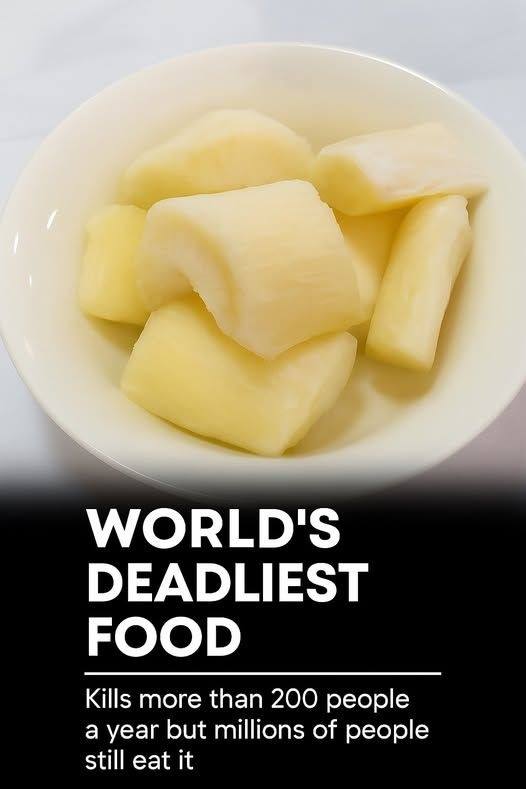
The Dual Nature of Cassava: A Vital Source of Nutrition and a Hidden Danger
Cassava, also known as yuca, is a remarkable root vegetable that serves as a cornerstone of sustenance for millions of people across tropical regions in Africa, South America, and the Caribbean. With its starchy flesh providing a significant source of carbohydrates, cassava plays a critical role in the diet of nearly 500 million individuals worldwide. However, this humble tuber is not without its dangers. When improperly prepared, cassava can become lethal, leading to over 200 deaths annually due to cyanide poisoning. This paradox raises important questions about how something so essential to food security can also pose serious health risks.
Understanding Cassava: A Nutritional Powerhouse
Despite the dangers associated with bitter cassava, its culinary uses are vast and varied. From tapioca pearls to garri, fufu, and cassava flour, the versatility of this tuber allows it to be transformed into numerous staple foods that are not only delicious but also integral to cultural identities and practices. Traditional dishes made from cassava are not just about sustenance; they are part of a larger cultural tapestry. For instance, in Nigeria, fufu is often served with soups and stews, while in Brazil, cassava is used in the iconic dish farofa—toasted cassava flour mixed with various ingredients.
The process of making these foods often involves methods that effectively reduce the toxins present in bitter cassava, highlighting the importance of traditional preparation techniques. Soaking, fermenting, and cooking are common practices used to detoxify cassava before consumption. For example, in the production of garri, the cassava roots are grated, allowed to ferment, and then fried, a process which significantly reduces the levels of toxic cyanogenic compounds.
The Hidden Dangers of Improper Preparation
However, the repercussions of consuming improperly prepared cassava extend beyond immediate poisoning. Chronic exposure to cyanogenic compounds can lead to long-term health issues, including konzo, a paralyzing neurological disease that primarily affects malnourished populations in regions like Central Africa. This condition highlights the intersection of nutrition and food safety, illustrating how vulnerabilities in food security can exacerbate health risks. Konzo is often observed in communities that rely heavily on cassava as a staple food without adequate dietary diversity. Victims of konzo suffer not only from the immediate effects of paralysis but also from long-term social and economic repercussions, as their ability to work and care for their families is severely compromised.
Educational initiatives aimed at raising awareness about the dangers of improperly processed cassava are essential. In several countries, local health departments and NGOs are working to educate communities about the proper methods of preparation and the symptoms of cyanide poisoning. This knowledge is crucial, as it empowers individuals to make informed choices about their food and health, potentially saving lives.
















