
The Complex Dynamics of Sanctuary Policies and Immigration Enforcement
On the last night of the year, a significant and contentious operation unfolded in Minneapolis, resulting in the arrest of Mahad Abdulkadir Yusuf, a man identified by federal agents as a convicted sex offender. This event, though it may have appeared as a typical enforcement action, evolved into a crucial flashpoint in the ongoing debate surrounding sanctuary policies, community trust, and the role of federal law enforcement in American society. By the dawn of January 1, news of Yusuf’s apprehension had reverberated not only through Minneapolis but also across the nation, igniting discussions about the implications of local policies on federal immigration enforcement.
For federal officials, Yusuf’s arrest was seen as evidence of a system weakened by sanctuary policies that restrict cooperation between local law enforcement and immigration authorities. In contrast, community advocates and city leaders viewed the incident as a stark representation of how aggressive enforcement tactics could instill fear within immigrant neighborhoods, ultimately jeopardizing public safety. The dichotomy between these perspectives underscores the complexities that arise when law enforcement practices intersect with immigration policy, especially in diverse urban areas.
Understanding the Arrest of Mahad Abdulkadir Yusuf
The operation that led to Yusuf’s arrest was carried out by U.S. Immigration and Customs Enforcement (ICE) and Homeland Security Investigations (HSI). Authorities revealed that Yusuf had a troubling history, which included a conviction for first-degree criminal sexual conduct involving forcible acts, a 2016 conviction for first-degree assault, and an active warrant for obstructing police. Despite previously attempting to apprehend him, which was thwarted when building management denied access to his residence, federal officials maintained that they were committed to locating and detaining noncitizens with criminal records. They attributed difficulties in enforcing immigration laws to local sanctuary policies, which they argue have hindered timely action against individuals with serious criminal histories.
Sanctuary Policies: A Double-Edged Sword
Sanctuary policies have long been a topic of heated discussion in Minneapolis and across Minnesota. Generally, these policies seek to limit the extent of local law enforcement’s cooperation with ICE, such as by refusing to detain individuals solely on the basis of immigration detainers or sharing detailed immigration status information. Proponents argue that such policies foster trust between immigrant communities and local police, encouraging individuals to report crimes without the fear of deportation. However, critics contend that these policies create gaps in enforcement, particularly when individuals with serious criminal backgrounds remain free due to local regulations.
The federal government’s response to Yusuf’s arrest was a direct critique of these sanctuary policies. Officials from Homeland Security and ICE posited that the local governance decisions contributed to an environment where someone with a serious criminal record could operate without consequence. This viewpoint highlights a fundamental tension in the debate: while supporters of sanctuary policies emphasize the need for community trust and civil liberties, critics focus on the imperative of public safety and the enforcement of all laws, including those related to immigration.
Community Reactions: Fear and Distrust in Immigrant Neighborhoods
In Minneapolis, which hosts a substantial Somali-American population and a diverse array of immigrant communities, the reactions to Yusuf’s arrest were profound and multifaceted. Many Somali-American families expressed fear and anxiety, reflecting a broader sentiment among immigrant residents who felt targeted by federal enforcement actions. Reports of law enforcement encounters have led to a palpable wariness among U.S. citizens of Somali descent, who have described instances of being stopped in public and questioned about their legal status solely based on their appearance or language.
This climate of fear has intensified due to a series of federal operations leading up to New Year’s Eve, which resulted in numerous arrests within immigrant communities. Advocacy groups and community leaders have condemned the tactics employed during these enforcement actions, arguing that they damage the trust necessary for effective policing. They assert that the visible presence of federal agents, often masked and executing unannounced raids in residential areas, undermines the very fabric of community safety by instilling fear rather than fostering cooperation.
Political Responses: A City Grappling with Division
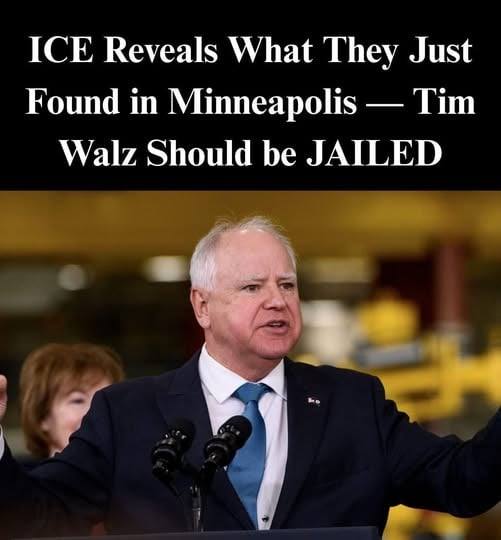
The response from local officials, including Minneapolis Mayor Jacob Frey and Minnesota Governor Tim Walz, was aimed at countering federal assertions that sanctuary policies created unsafe conditions. Both leaders emphasized that aggressive immigration enforcement has detrimental consequences for community safety, arguing that it could deter residents from engaging with local law enforcement to report crimes or seek assistance. Mayor Frey has been vocal about his opposition to federal immigration raids, stating that they divert resources from essential public safety priorities.
Governor Walz reiterated these concerns, warning that fear-driven tactics only serve to divide communities rather than build trust. They highlighted the intricate nature of immigration law enforcement and the necessity for community partnerships in effective policing. However, critics of local leadership argue that public safety must take precedence and that all laws, including immigration violations linked to violent crimes, should be enforced without hesitation.
The National Conversation: Broader Implications and Future Directions
The arrest of Mahad Abdulkadir Yusuf has not only spotlighted the local dynamics in Minneapolis but also reflects a broader national conversation about immigration policy, criminal justice reform, and the autonomy of local governance. For proponents of strict immigration enforcement, the case underscores a concerning gap where individuals with violent offenses evade apprehension due to local policies. Conversely, immigrant rights advocates argue that federal enforcement actions, particularly those lacking adequate civil liberties safeguards, can have devastating effects on entire communities, discouraging cooperation and undermining public safety.
This ongoing debate reveals deep philosophical divisions regarding the role of sanctuary policies. Are they a necessary acknowledgment of the complexities of immigration and an effort to uphold due process? Or do they represent an erosion of law enforcement efficacy that jeopardizes the safety of citizens? Navigating these questions will be pivotal as communities, lawmakers, and law enforcement agencies strive to strike a balance between ensuring public safety and upholding civil liberties.
Moving Forward: Navigating the Path to Balance
As the dust settles on the arrest of Mahad Abdulkadir Yusuf, the underlying issues it raised will likely persist in shaping discussions on immigration and public safety. The tensions between federal and local authorities, as well as the broader implications of sanctuary policies, remain unresolved. In a city like Minneapolis, marked by its diversity and complex history with civil rights, the challenge moving forward will be to develop policies that uphold both public safety and the trust of the communities they serve.
Ultimately, the voices often lost in this national debate are those of crime survivors advocating for the removal of dangerous individuals from their neighborhoods, immigrant families fearing arbitrary enforcement, and local law enforcement officers striving to balance safety with community trust. It is imperative that future policy decisions be informed by data, community input, and a respect for human dignity, ensuring that the fundamental rights of all residents are honored even amidst the complexities of immigration enforcement.
















