
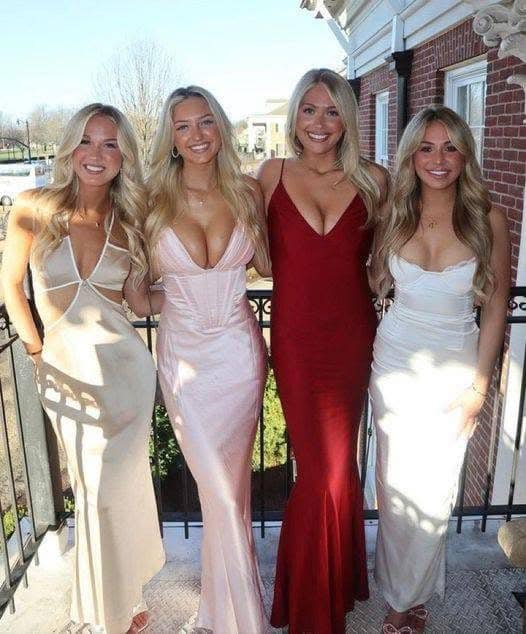
The Evolution of Beauty Standards in the Age of Social Media
Social media has profoundly influenced nearly every facet of contemporary life, reshaping how we define and perceive beauty. Platforms such as Instagram, TikTok, YouTube, and Pinterest have evolved beyond mere entertainment outlets; they now serve as vital cultural arenas. These spaces allow individuals of varying sizes, shapes, and ethnic backgrounds to express themselves, share their fashion choices, and offer personal interpretations of beauty. By doing so, they challenge long-standing beauty norms that have traditionally been dictated by celebrities, high-fashion models, and advertising campaigns that often endorse a singular, narrow definition of attractiveness. As we delve deeper into this phenomenon, it is essential to understand not only how these platforms have altered public perceptions but also the societal implications that stem from this shift.
A Historical Overview of Beauty Ideals
The historical evolution of beauty standards in Western societies reveals a stark pattern of exclusivity and rigidity. During the 1950s, curvaceous figures epitomized by icons like Marilyn Monroe and Jayne Mansfield were celebrated, promoting an image of femininity that embraced fuller silhouettes. However, this appreciation for curves was short-lived. The 1990s and early 2000s marked a shift toward ultra-thin models such as Kate Moss, whose almost skeletal physique became synonymous with desirability. Each generation has seen women subjected to intense scrutiny and pressure to conform to these prevailing beauty ideals, often at the expense of their health and personal preferences. The relentless pursuit of these ideals has led many to question the underlying messages of worth and desirability that society propagates.
In contrast, social media has disrupted this longstanding hierarchy of beauty by democratizing visibility. Users are now regularly exposed to a plethora of body types, skin tones, and individual styles. Influencers from various backgrounds—including fitness experts, plus-size models, and self-identified “ordinary” individuals—have the potential to reach millions of viewers daily. This newfound visibility not only challenges outdated stereotypes but also normalizes diversity, emphasizing that beauty should not be restricted to a single template. For instance, platforms like Instagram have seen the rise of the #BodyPositivity movement, which encourages individuals to embrace their bodies regardless of size, shape, or perceived flaws, thereby fostering a more inclusive understanding of beauty.
Redefining the Concept of ‘Average’
As society becomes more accepting of diverse body types, research indicates that the concept of the “average” body has also evolved. A study published in the International Journal of Fashion Design, Technology and Education revealed that the average American woman now wears between a misses size 16 to 18, which corresponds closely to a women’s plus size 20W. Furthermore, the average waist size has increased significantly from 34.9 inches to 37.5 inches over the last two decades. Susan Dunn, a leading researcher in this study, articulates that understanding these numbers can significantly impact women’s self-image, urging the fashion industry to recognize that these women are not going away. They deserve clothing that is stylish, well-fitted, and readily available. While the fashion industry has been notoriously slow to adapt, social media is pressing for change, with brands increasingly showcasing models of all sizes and promoting clothing that caters to diverse body shapes.
Factors Influencing Body Size Trends
The Centers for Disease Control and Prevention (CDC) notes that the average American woman today weighs approximately 170.6 pounds, a stark increase from around 140 pounds in the 1960s. This shift can be attributed to several interrelated factors:
- Lifestyle Changes: Modern work environments often require long hours of sedentary activity, compounded by the increased consumption of high-calorie processed foods and sugary beverages. The rise of fast food culture and the convenience of ready-made meals have contributed significantly to changes in dietary habits.
- Cultural Shifts: There is a growing societal acceptance of larger body types, which is reflected in media representation and advertising campaigns that advocate for self-love and body positivity. Campaigns like Aerie’s #AerieREAL have gained traction, presenting unretouched models and encouraging consumers to embrace their authentic selves.
- Genetics and Environment: Genetic factors significantly influence body composition, metabolism, and fat distribution. Additionally, environmental conditions—such as access to nutritious food, socioeconomic status, and stress levels—interplay with genetic predispositions to affect average body sizes. Urbanization has also led to lifestyle changes that can affect accessibility to healthy food options.
Health Implications of Body Size Trends
While social media can positively impact self-image and foster body acceptance, it also indirectly influences behaviors that may contribute to obesity. The World Health Organization (WHO) highlights that global obesity rates have more than doubled since 1990, a trend closely linked to sedentary lifestyles and dietary changes. The Mayo Clinic emphasizes that obesity is not merely a cosmetic concern but a serious medical condition that heightens the risk of chronic illnesses such as heart disease, type 2 diabetes, hypertension, and certain types of cancer. This reality underscores the importance of balancing positive messages about body acceptance with education on maintaining a healthy lifestyle. Initiatives that promote healthy eating and regular exercise are essential in ensuring that the body positivity movement does not inadvertently encourage unhealthy behaviors.
















