
The Mystery Behind the Round Scar: Understanding Its Origins
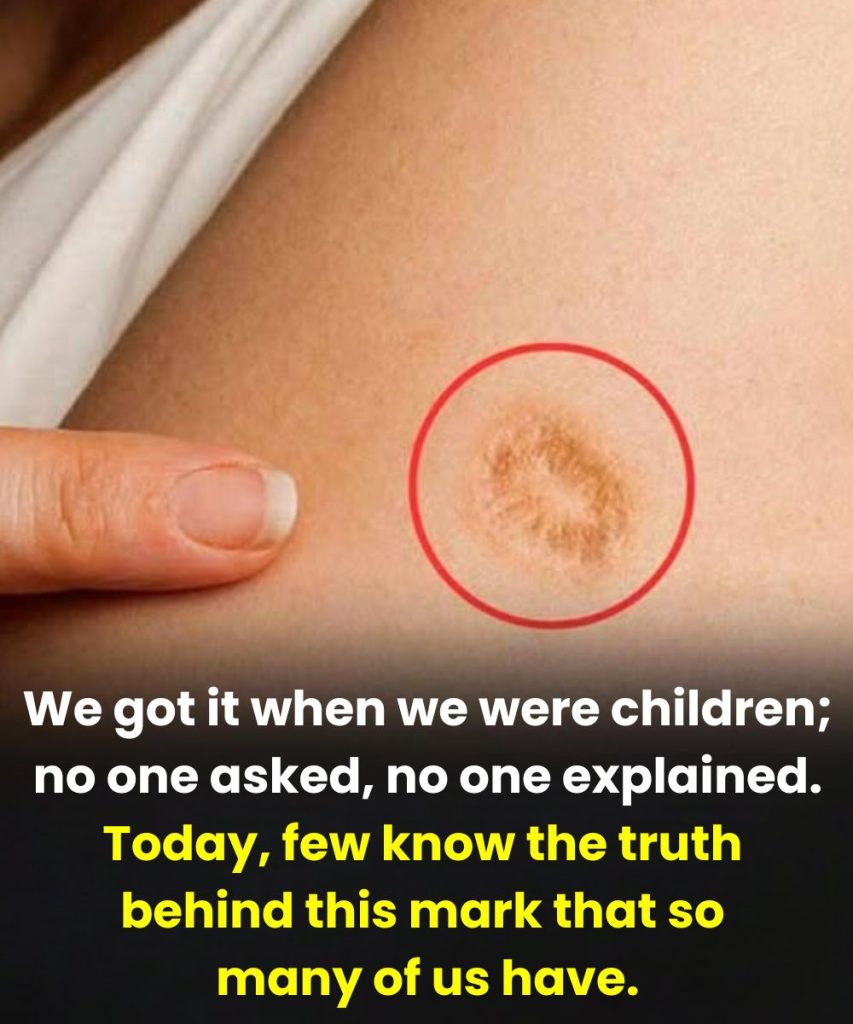
For individuals who grew up in various regions such as Asia, Africa, Latin America, or parts of Eastern Europe, encountering a small, round scar on the upper arm is a common phenomenon. Many people, upon reaching adulthood, come to notice this scar and often question its origins. Some feel a sense of embarrassment, while others craft their own stories to explain this mysterious mark. This article seeks to demystify the round scar, debunking prevalent misconceptions and shedding light on its true significance, ultimately recognizing it as a symbol of public health and protection against tuberculosis.
Misconception 1: It’s a Childhood Injury or Skin Disease
A prevalent belief surrounding the round scar is that it is indicative of a skin disease, an injury, or perhaps a childhood mishap. Some individuals even speculate that it could be a burn or the result of an untreated wound. However, the reality is quite different. In most instances, this scar originates from the administration of the BCG vaccine, designed to offer protection against tuberculosis (TB). The BCG vaccine is typically administered during infancy or early childhood, often when children are brought in for routine vaccinations. These experiences can be so early in life that they tend to escape our memory, leaving only the physical reminder of the vaccination—the round scar.
The BCG vaccine contains a weakened strain of the Mycobacterium bovis, which is a bacterium related to the one that causes human tuberculosis. When the vaccine is injected, it stimulates the immune system to recognize and respond to the bacteria. This immune response can lead to a localized skin reaction, often resulting in the round scar that many individuals notice as they grow older. It is essential to understand this process, as it indicates that the body is engaging with the immunization process rather than suffering an injury from a physical trauma.
Misconception 2: Exclusive to the Less Privileged
Another common myth associated with the round scar is that it signifies a person hails from a poor or rural background. This notion carries a significant social stigma, leading some to equate the scar with poverty, inadequate hygiene, or limited access to modern healthcare. In truth, the BCG vaccine is part of the national immunization programs in numerous countries, transcending social and economic boundaries. Millions of children, regardless of their socioeconomic status, have received this vaccine, especially in areas where tuberculosis posed a significant health threat. The World Health Organization (WHO) recommends the BCG vaccination as part of routine childhood immunizations, emphasizing its universal importance.
As such, the presence of the scar does not reflect a person’s background or social standing but rather highlights a critical public health initiative that affects a diverse population. For instance, in countries like India and South Africa, where the incidence of tuberculosis is notably high, the BCG vaccine has been administered to countless children, resulting in many bearing the round scar. This universal application of the vaccine showcases how it serves as a protective measure against a disease that transcends all demographic divides.
Misconception 3: Scar as Proof of Vaccination
Many individuals engage in comparisons of scars with friends and family, believing that the presence or absence of this mark serves as definitive proof of vaccination status. Yet, this assumption is misleading. Not every individual who receives the BCG vaccine develops a scar. The body’s reaction can vary significantly; some may heal without leaving a noticeable mark, while others might see their scars fade over time. This variability can depend on several factors, including skin type, the individual’s immune response, and even the technique used during vaccination.Consequently, the absence of a scar should not be viewed as evidence of not being vaccinated, nor does the presence of a scar serve as a reliable indicator of immunity strength. In fact, health professionals often rely on vaccination records rather than physical scars to confirm a person’s immunization history. Therefore, it is crucial to understand that while the scar is a common outcome, it is not the sole indicator of one’s vaccination status.
Misconception 4: Implications for Immune Health
Another misconception that surrounds the round scar is the notion that it signifies a weakened or damaged immune system. This fear is often rooted in misunderstandings of how the body reacts to vaccinations. In reality, the BCG scar represents a normal and healthy immune response. When the vaccine is administered, the body identifies the weakened bacteria within it and mounts a localized immune response, which can result in a small scar forming on the skin. This response is a sign of the immune system functioning as intended and does not indicate any long-term health issues or increased vulnerability to illness.In fact, the BCG vaccine is known to enhance immune training during formative years, equipping the body to better recognize and combat tuberculosis if exposed later in life. Studies have shown that individuals who received the BCG vaccine may experience a more robust immune response to various infections, not just tuberculosis. Therefore, the presence of the scar symbolizes a proactive approach to health rather than an indication of fragility.
Misconception 5: The Scar is Dangerous
For some, the round scar can become a source of self-consciousness, leading to concerns over its safety or whether it requires medical attention. However, it’s important to clarify that the BCG scar is entirely harmless. It remains static; it does not grow or spread, nor does it pose any medical risk. There is no clinical necessity to remove it unless an individual opts for cosmetic reasons. Medical professionals typically regard it as a benign mark, more a reminder of essential immunization than a cause for concern.In a world where health-related anxieties are prevalent, it is vital to reassure individuals that the BCG scar is a normal part of the vaccination process. Instead of fearing the scar, individuals should embrace it as a symbol of their protection against a dangerous disease. The scar serves as a conversation starter about vaccinations and public health, possibly helping to educate others on the importance of immunizations.
A Symbol of Public Health and Protection
For many, the round scar on the arm is emblematic of a period when healthcare decisions were made without elaborate explanations. Parents often trusted public health initiatives, ensuring that their children received crucial vaccinations, albeit without a full understanding of the implications. By shedding light on the origins and significance of this scar, we can work towards dispelling the myths and fears associated with it. Understanding the true nature of the BCG scar helps to remove the stigma and misinformation that may have surrounded it for years. It serves not as a mark of disease, poverty, or failure, but rather as a testament to effective preventive medicine.Ultimately, the smallest marks can carry the heaviest stories, encapsulating experiences that speak volumes about our shared public health efforts. Acknowledging and appreciating the round scar can help foster a sense of community and understanding among individuals who bear it. As we move forward, it’s crucial to continue educating ourselves and others about the significance of vaccinations and the protective measures that can safeguard our health.
















