
Understanding the Julian Date on Your Egg Carton: A Comprehensive Guide to Freshness and Safety
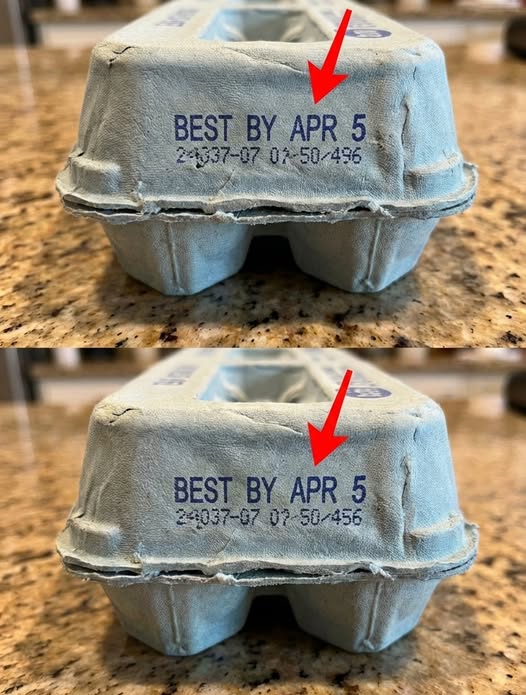
Have you ever noticed that three-digit number on the side of your egg carton and wondered what it signifies? Many people overlook this seemingly random series of digits, mistaking it for a simple batch code or a price reference. However, this number is a crucial indicator of egg freshness and safety, playing an essential role in your culinary experiences, particularly when it comes to dishes that rely heavily on egg quality, like quiche or custard. This article will guide you through understanding the significance of that number and how to use it to ensure food safety in your kitchen.
The Julian Date Explained
The mysterious three-digit number on your egg carton is known as the Julian date, which corresponds to the day of the year the eggs were packed. The Julian date ranges from 001 to 365, with each number representing a specific date in the calendar year. For example, a carton marked with 120 indicates that the eggs were packed on the 120th day of the year, which is April 30. Understanding this date is vital for both culinary enthusiasts and everyday cooks alike because it helps you determine how fresh your eggs are, which is crucial for both taste and food safety.
In fact, many chefs and home cooks recognize that the freshness of eggs can significantly impact the texture and flavor of dishes. For instance, consider a fluffy soufflé or a creamy custard; stale eggs can lead to disappointing outcomes, ruining the delicate balance of these recipes. By paying attention to the Julian date, you can elevate your cooking and ensure that your dishes are delicious and safe.
Egg Shelf Life and Safety Guidelines
According to the U.S. Department of Agriculture (USDA), raw eggs in their shells can remain safe for consumption up to 3 to 5 weeks after the packing date, even if the “sell-by” date has come and gone. It is essential to store your eggs properly in the refrigerator, maintaining a temperature at or below 40°F (4°C). This practice helps slow down the growth of bacteria and keeps the eggs fresh longer. Keeping eggs at room temperature significantly reduces their shelf life and may promote the growth of harmful bacteria, particularly Salmonella.
To maximize the longevity of your eggs, consider storing them in their original carton rather than transferring them to a different container. The carton helps protect the eggs from absorbing strong odors and flavors from other foods in your refrigerator. A critical point to remember is that the “sell-by” or “best-by” dates found on the carton serve primarily for retail purposes and do not indicate safety. Instead, relying on the Julian date is your best bet for ensuring egg quality.
The Risks of Egg Contamination
Even when eggs look and smell normal, they can still harbor Salmonella, a type of bacteria known to cause foodborne illnesses characterized by symptoms like nausea, vomiting, and diarrhea. The danger is that Salmonella can be present inside the egg before the shell even forms, which means that washing the shell will not eliminate the risk. Proper cooking is the only way to kill this dangerous bacteria, with foods containing eggs needing to reach an internal temperature of 160°F (71°C).
If your eggs are old or improperly stored, even well-cooked dishes like quiche may not reach this critical temperature, risking the health of everyone who consumes them. Therefore, being aware of the Julian date can be your first line of defense against egg-related illnesses. It’s crucial to prioritize freshness and proper cooking methods when using eggs in your recipes.
How to Safely Utilize the Julian Date
To make sure you are using eggs that are still safe to eat, locate the Julian date on the carton—typically printed on the short side, often near the USDA grade mark. If you need help translating the number to a specific date, various Julian date converters are available online and can make this task effortless. Aim to consume the eggs within 3 to 5 weeks of the pack date to ensure maximum freshness. When cooking with eggs, especially in dishes that include raw or undercooked eggs like hollandaise sauce or tiramisu, it’s better to err on the side of caution and dispose of any eggs that are past this timeframe. This proactive approach not only protects your health but also enhances the overall quality of your meals.
In addition to checking the Julian date, consider employing other sensory evaluations. For example, a simple float test can determine if an egg is still good. Fill a bowl with water and gently place the egg in it; if the egg sinks and lies flat on its side, it’s fresh. If it stands upright at the bottom, it’s still safe to eat but not as fresh. If the egg floats, it should be discarded.
Additional Egg Carton Codes and Their Meanings
Besides the Julian date, there are other important codes you may find on an egg carton that provide insights into their quality and production methods. Understanding these codes can help you make informed choices. Here are a few key codes to look out for:
- Grade AA, A, or B: Indicates the quality of the eggs, with AA being the highest grade featuring firm whites and round yolks, ideal for poaching or frying.
- Organic: Eggs from hens that have been fed organic feed, free from antibiotics, and have outdoor access, promoting ethical and sustainable farming.
- Cage-Free: Hens that are not caged but may still be raised indoors in a barn or aviary, allowing for more movement than conventional caged systems.
- Pasture-Raised: Hens roam freely outdoors, providing more humane conditions and potentially better nutrition, which can affect the taste of the eggs.
- Plant Code (e.g., P-1234): Identifies the farm where the eggs were produced, allowing traceability in case of recalls or food safety concerns.
Best Practices to Prevent Egg-Related Illness
To minimize the risk of egg-related illnesses, consider the following best practices:
- Never consume raw or undercooked eggs unless they are pasteurized.
- Ensure that all egg dishes are cooked to an internal temperature of at least 160°F by using a food thermometer to guarantee food safety.
- Avoid leaving eggs unrefrigerated for more than 2 hours (or 1 hour if the room temperature exceeds 90°F), as this creates a conducive environment for bacterial growth.
- Always wash your hands and kitchen surfaces after handling raw eggs to prevent cross-contamination.
- Purchase eggs that are clean and uncracked to enhance safety and quality in your kitchen.
In conclusion, the three-digit Julian date on your egg carton is not merely a number but a critical piece of information that can help you maintain both flavor and safety in your cooking. By taking a moment to check this date, you can ensure that you’re serving fresh eggs, reducing the risk of foodborne illnesses. Next time you buy eggs, remember that freshness is key—not only for taste but also for the health of your family and guests. Safety should always come first in the kitchen, and understanding the codes and dates on your egg carton is an invaluable step toward achieving this goal.
















