
The Unsung Heroes in Our Lives: A Special Tribute to Caregivers
In life, we often encounter moments that test our resilience and strength. One such moment can be the harrowing experience of welcoming a newborn into the world under challenging circumstances. For many parents, the birth of a child should be a joyous occasion. However, when complications arise and the infant requires intensive care in a hospital, the joy can quickly turn into a battle against fear and uncertainty. My personal journey during such a moment revealed the profound impact a single caregiver can have on a family navigating the darkest nights.
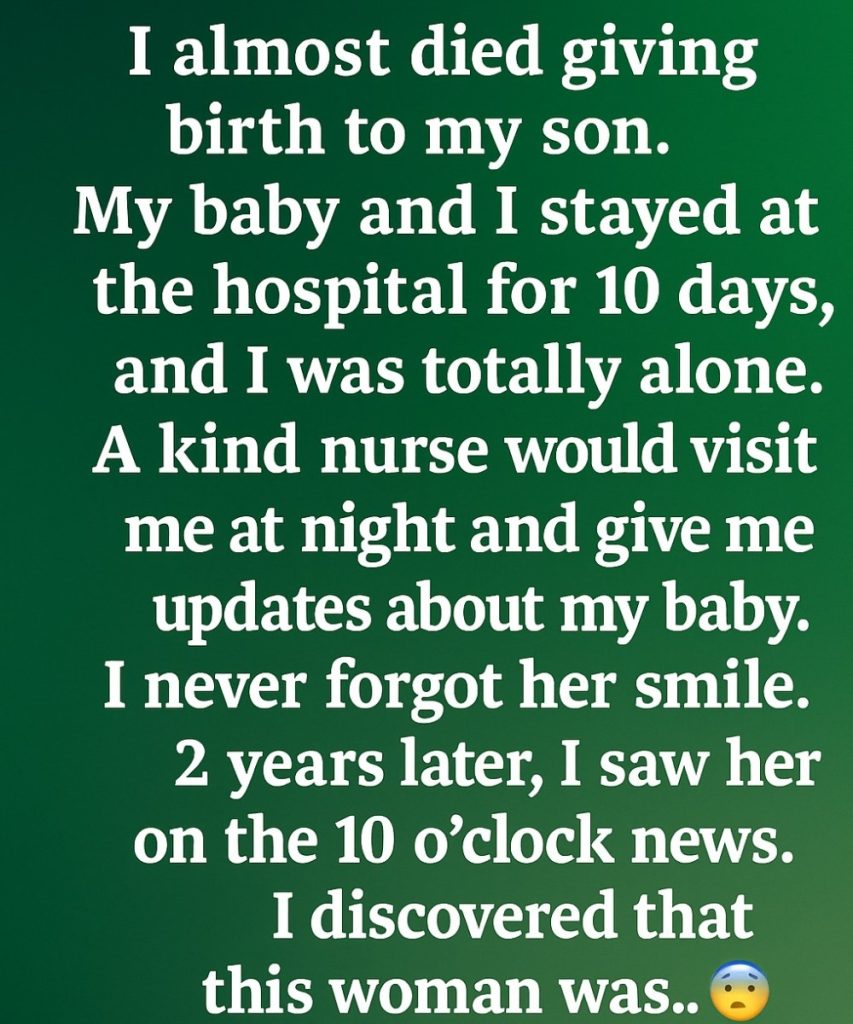
It was a fateful day when my son was born that marked the beginning of an emotional rollercoaster. Both he and I found ourselves in the hospital for an agonizingly long ten days. He lay in an intensive care unit, fragile and fighting for his life, while I was confined to a small room down the hall. The silence was deafening, broken only by the incessant beeping of machines and the distant chatter of nurses. The absence of familiar voices left me feeling utterly alone, amplifying my fears as the world outside continued to move on. With each tick of the clock past midnight, an overwhelming sense of dread settled in.
It was during these lonely hours that she entered my life—a nurse with a calm presence that seemed to light up the darkest corners of my mind. She would quietly step into my room, taking the time to sit beside me, never rushing or showing any sign of impatience. Each night, she would share updates about my son’s condition, detailing the doctor’s observations, how his breathing was progressing, and whether he had opened his eyes. Although the news varied—sometimes filled with hope, other times steeped in anxiety—she always concluded our conversations with a smile that radiated warmth and reassurance. It was a smile that whispered to me, reminding me that tomorrow held promise.
The role of caregivers extends far beyond their professional responsibilities; it embodies a deep sense of empathy and understanding. Caregivers often face immense emotional challenges themselves while providing comfort to others. My nurse, for example, was not merely a healthcare provider; she was a lifeline. Her ability to connect with patients and families in such a profound way is what makes caregivers truly remarkable. By sharing her genuine concern and unwavering support, she helped ease my anxiety, allowing me to focus on what mattered most—my son’s recovery.
Years later, on an unremarkable evening, I found myself watching the news, half-focused and weary from the day. Suddenly, my heart skipped a beat as her familiar face appeared on the screen. There she was, the same nurse, her calm eyes exuding the same warmth that had carried me through my darkest hours. The news segment was not sensational; rather, it highlighted local heroes—individuals who extended their compassion beyond the call of duty. As I listened, I learned that she had become the coordinator for a volunteer program designed to provide overnight support for parents of infants in intensive care. The poignant message she shared resonated deeply: no parent should ever feel alone amidst the daunting shadows of fear and uncertainty.
The impact of caregivers is often magnified during challenging times. They step in when families are at their most vulnerable, providing not just medical care but also emotional support that is crucial for recovery. Take, for instance, the countless stories of nurses who have gone above and beyond. One nurse I learned about organized a small birthday celebration for a toddler in the hospital, knowing that the child’s family was struggling with the gravity of their situation. This simple act of kindness created a moment of joy and reminded the family that hope could still exist, even in a sterile hospital environment.
As the segment progressed, the reporter revealed an intimate chapter of the nurse’s life. Before donning scrubs, she had faced the loss of her own child shortly after birth. Instead of allowing that profound grief to harden her spirit, she transformed her pain into a wellspring of compassion, dedicating her life to helping others who found themselves in similar situations. It was in that moment that everything clicked into place for me. Those late-night visits were not merely part of her professional responsibilities; they were a reflection of her humanity, her way of reaching back into her own pain to ensure that others would not face it alone.
After the segment concluded, I felt compelled to express my gratitude. I reached out to the hospital, unsure if I could bridge the gap between our lives once more. To my surprise, they facilitated contact, leading to a handwritten letter arriving a few days later. In her elegant script, she recalled our shared experience and expressed that witnessing parents regain their strength was her ultimate reward. Her simple yet profound words reinforced the notion that even the smallest acts of kindness can resonate well beyond the moment they are given. They echo through the lives they touch, leaving an indelible mark on the hearts of those who receive them.
Reflecting on those nights in the hospital, I learned a valuable lesson: kindness often arrives without fanfare. It is rarely grand or loud; instead, it often manifests quietly, like a nurse pulling up a chair in the dark, offering comfort and understanding without expectation. Inspired by her example, I strive to embody that same spirit of compassion in my daily life, recognizing the profound impact that one gentle act can have on another person’s journey. Whether it’s lending a listening ear to a friend in distress or volunteering my time for those in need, I find value in fostering connections that uplift and support.
In a world that can sometimes feel overwhelmingly dark, we must remember the unsung heroes who light our way. Caregivers, like the nurse who once sat by my bedside, embody the essence of empathy and resilience, reminding us that we are never truly alone, even in our most vulnerable moments. By sharing their stories and acknowledging their sacrifices, we can foster a culture of gratitude and kindness, ensuring that their invaluable contributions do not go unnoticed.
















