
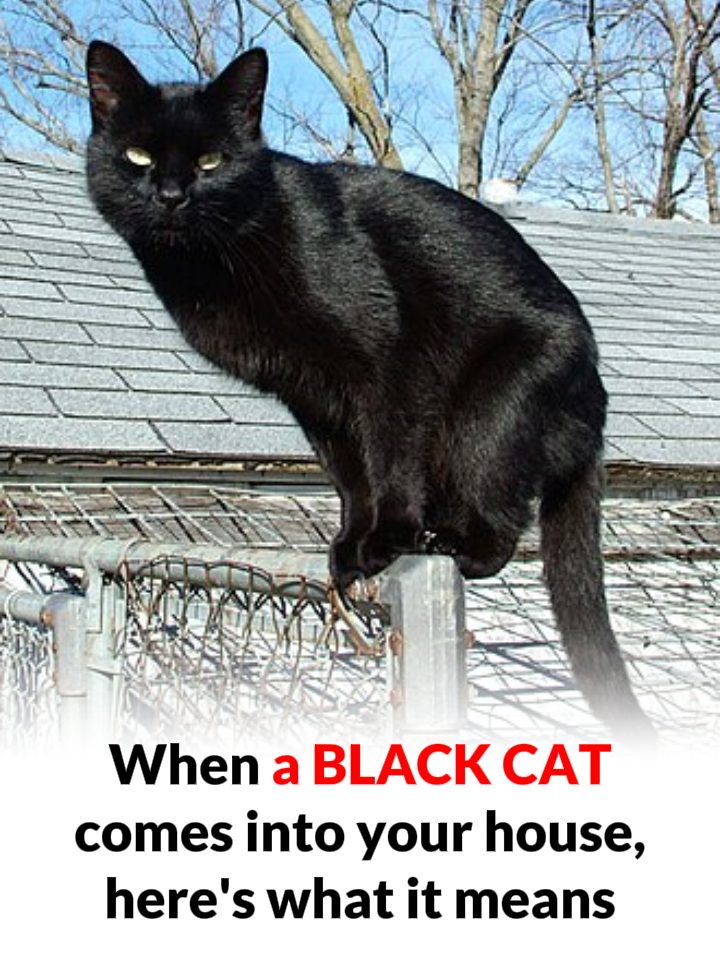
The Enigmatic Charm of Black Cats: Breaking Down Myths and Celebrating Their Legacy
The mysterious allure of cats has captivated humans for centuries, and among them, black cats hold a unique position steeped in superstition, cultural significance, and an undeniable charm. These animals, often seen as companions, have been revered and feared in equal measure across various societies. While many people are drawn to their sleek fur and captivating eyes, the stigma surrounding black cats, particularly their association with witchcraft and misfortune, continues to shadow their reputation. This article delves into the fascinating history, cultural symbolism, and the ongoing challenges faced by black cats in the modern world.
The Historical Context of Black Cats
Throughout history, black cats have often been misinterpreted and maligned. In medieval Europe, their connection to witchcraft was particularly pronounced, as they were often seen as the familiars of witches or even witches themselves in disguise. This belief led to a wave of superstition that branded black cats as harbingers of bad luck. In fact, many people believed that if a black cat crossed one’s path, it signified impending misfortune. Such myths became ingrained in cultures, perpetuating a cycle of fear that has lasted through the ages.
Interestingly, the fear of black cats is not universal. In many cultures, black cats are considered symbols of good fortune. For example, in Scotland, a strange black cat arriving at your home is believed to bring prosperity. In Japanese folklore, black cats are seen as lucky and are believed to attract wealth. This disparity highlights the complexities surrounding black cats and their dual reputation in various cultures.
Modern Perception: Adoption and Stigma
Despite their enchanting qualities, statistics show that black cats often face significant hurdles when it comes to adoption. Adoption rates for black cats are notably lower compared to their lighter-coated counterparts, a situation that can be directly attributed to lingering superstitions and societal biases. Animal shelters often report that black cats are among the last to be adopted, and many remain in shelters longer than other cats. This unfortunate reality highlights the need for greater awareness and education regarding the true nature of these beautiful animals.
Many animal shelters have initiated awareness campaigns aimed at improving the adoption rates of black cats, especially around Halloween when the stigma is most pronounced. These campaigns often include engaging social media posts featuring black cats, showcasing their personalities and charm. Events such as “Black Cat Awareness Month” in October are designed to combat misconceptions and encourage people to consider black cats as potential companions. However, despite these efforts, the stigma persists, largely due to deeply rooted cultural beliefs.
What It Means When a Black Cat Enters Your Life
When a black cat unexpectedly wanders into your home, it can evoke mixed feelings. While some might instinctively think of bad omens, it’s important to acknowledge that this occurrence does not inherently carry negative implications. In many cultures, black cats symbolize good fortune and prosperity. For instance, in ancient Egypt, black cats were revered and considered sacred. They were believed to bring blessings and protection to households, often seen as guardians against evil spirits. Thus, a black cat entering your life may serve as a profound reminder to appreciate the hidden blessings that accompany unexpected visitors.This newfound perspective encourages individuals to reflect on their beliefs and consider the broader symbolism associated with black cats. Instead of viewing them through the lens of superstition, embracing their presence can lead to a richer understanding of luck and fortune. It is essential to challenge our preconceived notions and allow the beauty of these animals to shine through, regardless of their color.
Feminine Symbolism and the Power of Black Cats
Beyond superstitions, black cats possess a rich tapestry of meaning tied to femininity and independence. Many ancient cultures associated these creatures with the mystique of the night and the feminine divine. They embody qualities such as freedom, autonomy, and self-reliance—traits often celebrated in women’s narratives. The connection between black cats and femininity transcends mere folklore; they are symbols of strength and resilience, reminding us of the power of embracing one’s true self, irrespective of societal norms.The figure of the black cat has often been linked to the archetype of the independent woman, particularly in folklore and literature. From ancient goddesses like Bastet, who was often depicted as a lioness or a domestic cat, to modern portrayals in films and books, black cats serve as powerful symbols of femininity and empowerment. They challenge societal expectations, showcasing that beauty exists in all forms and colors. This connection offers an opportunity to celebrate not just black cats but the strength and individuality of women throughout history.
Black Cats in Contemporary Culture
In today’s world, black cats are gradually shedding their negative image, thanks in part to various cultural shifts and media portrayals. Social media platforms have become a sanctuary for animal lovers, where black cats are showcased in all their splendor, helping to dismantle the myths associated with them. Numerous campaigns and awareness programs aim to highlight the beauty and affectionate nature of black cats, encouraging adoption and fostering a more inclusive attitude towards them. By sharing stories and images of these lovely creatures, advocates work tirelessly to change perceptions and ensure that black cats receive the love and homes they deserve.Popular culture has also played a role in transforming the image of black cats. Shows like “Sabrina the Teenage Witch” and movies such as “Hocus Pocus” have depicted black cats not just as companions but as beloved characters with distinct personalities. These portrayals have contributed to a broader acceptance and appreciation of black cats, moving them away from their historical associations with witchcraft and bad luck. As more people encounter positive representations, their fears are mitigated, leading to increased adoption rates and a shift in public sentiment.
The Timeless Bond Between Humans and Cats
The relationship between humans and cats, particularly black cats, is a testament to shared history and mutual growth. These animals teach us valuable lessons about patience, care, and resilience. The ancient Egyptians understood this bond well, as they revered cats not just for their hunting abilities but also for their companionship and emotional support. Today, as we navigate a world increasingly marked by isolation, the presence of a black cat in our lives can serve as a reminder of the importance of connection, love, and understanding. Each interaction with these enigmatic creatures can transform perceptions, dispel myths, and create a more compassionate world for all animals.Moreover, the companionship of black cats can combat loneliness and provide emotional support. They often exhibit affectionate behaviors, such as purring, kneading, and curling up beside their owners, creating an unbreakable bond that transcends mere pet ownership. This connection underscores the importance of adopting pets from shelters, particularly black cats, who are frequently overlooked. By choosing to welcome a black cat into your home, you are not only gaining a loyal companion but also participating in the movement to break down stereotypes and promote a more inclusive view of these beautiful animals.
















