
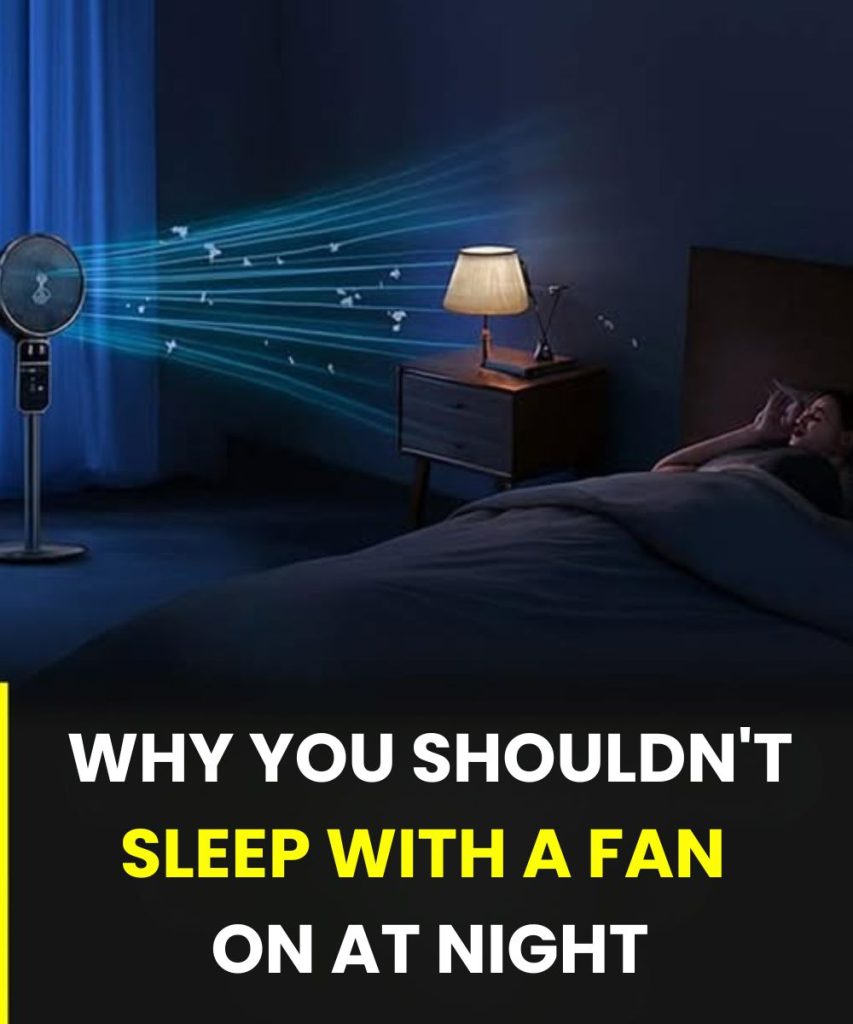
The Impact of Sleeping with a Fan On: What You Should Know
As the warm weather approaches, many individuals find solace in the gentle whir of a fan during sleep. For countless people, the soothing breeze and white noise can create a comfortable environment, making it easier to drift off to sleep. However, it is crucial to recognize that this habit may not be suitable for everyone. In fact, for some, sleeping with a fan on can lead to a range of discomforts that might undermine their overall health and sleep quality. If you wake up feeling less than rejuvenated, it’s essential to assess whether your fan is contributing to your sleep troubles. Here are five key indicators that suggest sleeping with a fan may not be in your best interest.
1. Morning Dryness: Mouth, Throat, and Nose
One of the most noticeable signs that your fan might be affecting your sleep is waking up with a dry mouth, throat, or nasal passages. The constant stream of air can dehydrate the mucous membranes, which play a critical role in protecting the body from irritating particles and pathogens. This dryness may manifest as:
- A scratchy or sore throat upon waking, which may lead to difficulty swallowing or speaking.
- A persistent dry mouth, even if you have consumed enough fluids before bed, making it uncomfortable to wake up.
- Nasal congestion or sinus pressure, which can be particularly troubling for those with pre-existing sinus issues, potentially leading to sinus infections or other complications.
2. Stiffness and Muscle Tension
If you find yourself waking up with a stiff neck, sore shoulders, or tight muscles, it may be due to the fan’s continuous airflow. The cool breeze can lead to muscle tension, particularly if it is directed at your body for an extended period. This phenomenon can be exacerbated for:
- Individuals sensitive to temperature fluctuations, who might find themselves uncomfortably cold during sleep.
- Those who tend to sleep in one position for prolonged periods, leading to deteriorated muscle health over time.
In particular, if a fan is blowing directly at you, the likelihood of experiencing muscle soreness increases significantly. Over time, this can lead to chronic discomfort, necessitating the use of heat pads or even physical therapy to relieve the tension.
3. Allergies and Morning Congestion
While fans can help circulate air, they also stir up dust, pollen, and pet dander—common allergens that can worsen symptoms for sensitive individuals. If you notice allergy symptoms upon waking, it may be a result of the fan moving these particles around your sleeping environment. Symptoms to watch for include:
- Sneezing or coughing soon after getting up, causing disruptions and discomfort that can last for hours.
- Itchy eyes or throat, which can lead to a frustrating day if not addressed promptly.
- Increased mucus production or postnasal drip, leading to further respiratory issues or sinus infections.
Interestingly, even a meticulously clean room can harbor allergens that are kept in circulation by a fan, leading to a more challenging morning for those with sensitivities. Consider investing in air purifiers or keeping windows closed during peak allergy seasons to mitigate these effects.
4. Fatigue Despite Sufficient Sleep
Waking up feeling groggy, despite having slept for a full seven to eight hours, can be a frustrating experience. If you often find yourself in this situation, the fan might be subtly disrupting your sleep cycle. While the sound and airflow may initially seem comforting, they might inhibit your body from reaching deeper stages of restorative sleep. Continuous airflow or minor temperature fluctuations can lead to:- Micro-awakenings—short interruptions to your sleep that you may not consciously remember, yet still affect your overall sleep quality.
- Overall diminished sleep quality, which can manifest as morning fatigue and brain fog, complicating daily tasks.
Over time, this can result in low energy levels throughout the day, affecting your productivity and mood. Chronic fatigue can lead to a myriad of health issues, including decreased immune function, weight gain, and heightened stress levels, creating a cycle that is challenging to break.
5. Skin and Eye Irritation
A fan can exacerbate moisture loss from your skin and eyes, which is especially problematic in arid environments or air-conditioned spaces. If you consistently wake up with:- Tight, itchy, or dry skin, which can result in breakouts or exacerbate conditions such as eczema.
- Red, irritated, or burning eyes, making it difficult to focus and leading to increased eye strain throughout the day.
- A gritty sensation in your eyes, which may require frequent eye drops or consultation with an eye care professional.
These symptoms could indicate that your body is reacting negatively to prolonged exposure to moving air during sleep. Those with sensitive skin conditions or dry-eye syndrome are particularly vulnerable. Keeping your environment well-hydrated with the use of humidifiers may provide some relief if you choose to keep the fan on.
Alternatives to Consider
If you recognize yourself in several of these signs, you don’t necessarily have to abandon your fan altogether. Instead, consider making adjustments to your sleeping arrangements:- Angle the fan away from your body to minimize direct airflow, allowing for better distribution of air without the negative side effects.
- Use a timer to turn off the fan after you fall asleep, ensuring that any benefits of white noise are not countered by discomfort.
- Ensure your room has adequate ventilation during the day, allowing for natural air circulation that promotes better quality of sleep.
- Regularly clean the fan blades and surrounding areas to reduce allergen buildup, creating a more pleasant sleeping environment.
















