
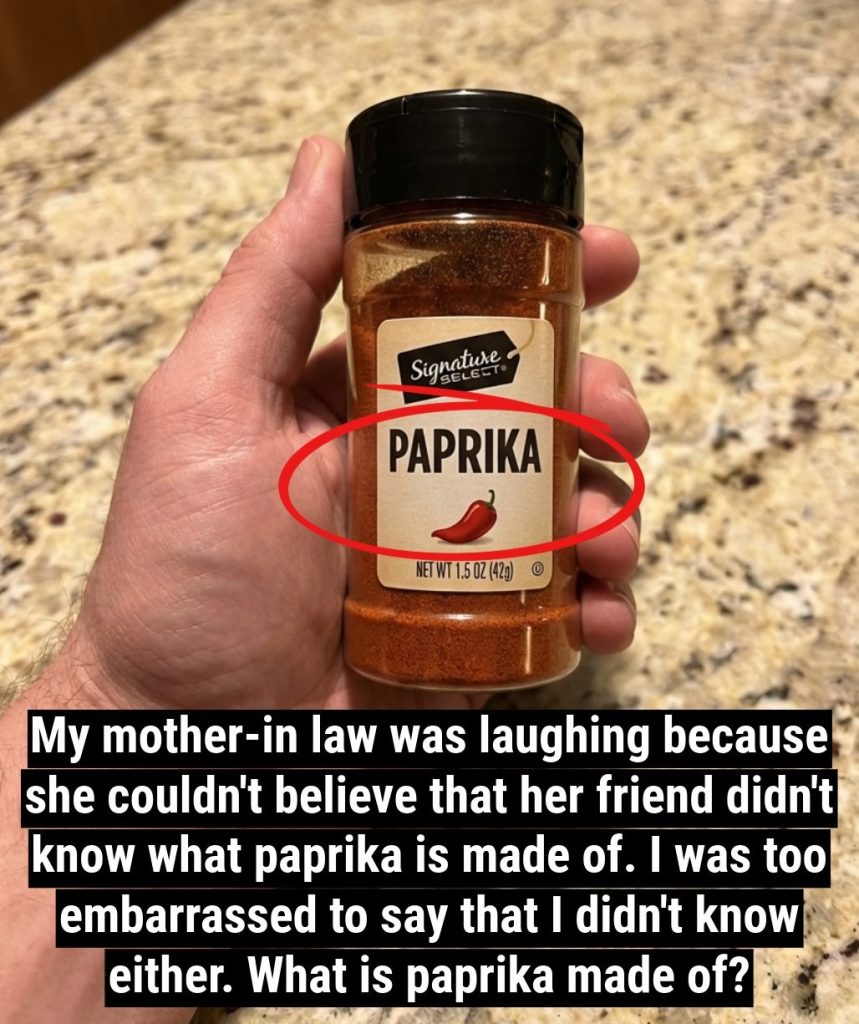
The Intriguing World of Paprika: From Garden to Gourmet
When you think about spices that have the power to elevate a dish, paprika undoubtedly comes to mind. This vibrant red powder has graced countless tables, adding not just flavor but also an aesthetic appeal to our favorite recipes. From deviled eggs to goulash and roasted potatoes, paprika’s versatility is astounding. However, many food enthusiasts are often shocked to discover that paprika originates from something as simple as dried and ground red bell peppers. It’s a revelation that not only demystifies this beloved spice but also highlights the beauty of nature’s offerings—no exotic plants or mysterious origins, just the humble Capsicum annuum.
Understanding Paprika: A Closer Look
So, what exactly is paprika? At its core, paprika is a powdered spice derived from the dried and ground fruit of the red bell pepper. While many varieties of bell peppers exist, paprika typically uses specific cultivars that are bred for their flavor profile and vibrant color. Interestingly, despite its rich crimson hue, most paprika is not hot; in fact, it tends to be mild unless specifically labeled as “hot” or “spicy.” It is favored for its earthy-sweet flavor and aromatic depth, which can transform a dish into an extraordinary culinary experience.
Fun fact: Hungary and Spain are recognized as the world leaders in paprika production, each offering its unique regional styles. This geographical distinction not only affects the flavor but also the preparation methods, contributing to the diverse palette of paprika available today. The sweet, mild versions from Hungary contrast sharply with the smoky varieties from Spain, showcasing how the same ingredient can be expressed in dramatically different ways.
Exploring the Varieties of Paprika
There are three primary types of paprika that are commonly recognized, each with distinct characteristics:
- Sweet Paprika (Classic): This variety is known for its mild and fruity flavor, making it ideal for dishes like deviled eggs, potato salads, and creamy sauces.
- Smoked Paprika (Spanish Pimentón): With a deep, woodsy flavor reminiscent of a campfire, this type is commonly used in chorizo, paella, and roasted meats. Smoked paprika is created by drying the peppers over oak fires, a tradition that has been perfected in Spain’s La Vera region.
- Hot Paprika: This variety offers a mild to moderate heat alongside a touch of sweetness, making it a great addition to stews, spice rubs, and dips.
Whether you prefer it sweet, hot, or smoky, paprika can enhance a wide array of dishes, infusing them with both flavor and color. The unique profiles of these varieties can be explored further, allowing home cooks and professional chefs alike to experiment with different flavor combinations.
Crafting Your Own Paprika at Home
Did you know that you can make paprika at home? It’s easier than you might think! Here’s a step-by-step guide to crafting your own paprika:
- Ingredients: You’ll need 6-8 ripe red bell peppers. Ensure they are fully red to achieve a sweeter and deeper color.
- Equipment: A dehydrator or a low-temperature oven, along with a spice grinder or high-powered blender.
Steps:
- Remove the stems, seeds, and white ribs from the bell peppers.
- Thinly slice the peppers.
- Dry them until they become brittle. Using a dehydrator, set it at 125°F for about 8–12 hours. If using an oven, set it to the lowest temperature (around 170°F), keeping the door slightly ajar for 4–6 hours.
- Once dried, grind the slices into a fine powder.
- Store the freshly made paprika in an airtight jar, where it can last for over six months.
As a pro tip, adding a pinch of salt or smoked salt during the grinding process can enhance the complexity of flavor. Making your own paprika not only offers a fresher taste but also brings a personal touch to your cooking.
Why the Confusion About Paprika?
Despite its simple origins, the confusion surrounding paprika often arises due to a few misconceptions. Many individuals mistakenly believe that paprika comes from a unique plant because it is marketed as a standalone spice, rather than being labeled simply as “ground pepper.” Its rich, deep red color can also seem “too intense” for something derived from ordinary bell peppers. Furthermore, there is a cultural distance from spice production in many households; few people grow peppers specifically for drying. Just like cayenne, which originates from chili peppers, or black pepper from peppercorns, paprika is simply a processed form of a well-known vegetable.
Mastering the Art of Using Paprika
To unlock the full potential of paprika in your cooking, there are a few tips that can help you use it like a culinary pro:
- Avoid Burning: When cooking with paprika, add it early in the process with oil to “bloom” its flavor. However, be cautious to avoid high heat, which can cause the spice to turn bitter.
- Color Booster: Sprinkle paprika on finished dishes to provide a visual pop, whether it’s deviled eggs, hummus, or mashed potatoes.
- Flavor Layering: Combine paprika with other spices like garlic, cumin, or oregano in rubs and marinades to create a more complex flavor profile.
- Go for Smoked: Use smoked paprika to add depth to soups, beans, or roasted vegetables, transforming simple dishes into gourmet experiences.
By incorporating these tips into your cooking, you can elevate your dishes and impress your family and friends with your culinary prowess.
A Final Thought
While there may not be a literal “paprika tree,” what we do have is something far more remarkable: a simple pepper that, when dried and ground, can turn everyday meals into vibrant and soul-satisfying creations. The next time you reach for that familiar red tin of paprika, remember that you’re not just adding a seasoning to your dish; you’re harnessing the essence of sunshine, patience, and a rich culinary history—all in a single pinch. As the saying goes, “The best flavors often come from the simplest truths.” Have you tried making your own paprika at home? What’s your favorite way to use this delightful spice? Share your spice journey in the comments below—we’re all on this culinary adventure together!
















