
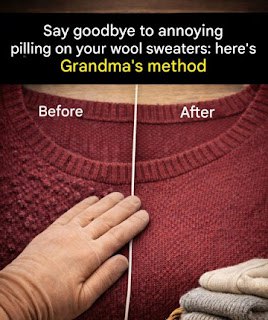
The Secret Life of Wool: Understanding and Managing Pilling in Your Sweaters
There’s nothing quite like the warmth and comfort of a wool sweater, especially during the brisk winter months. However, many of us have experienced the disappointment of pulling out our favorite piece from the wardrobe only to find it adorned with unsightly little balls of fuzz known as pilling. This can create an impression that the garment has aged prematurely, affecting not just its appearance but also our fondness for it. But fret not! Understanding the science behind pilling and how to properly care for your wool garments can ensure that they stay cozy and chic for many seasons to come.
What Causes Pilling in Wool Sweaters?
Pilling is a common phenomenon that occurs in various types of fabrics, but it is particularly prevalent in wool and soft fibers such as cashmere. It is important to realize that pilling is not an indicator of poor quality or manufacturing flaws; rather, it is a natural reaction to the inherent properties of the fibers. Wool fibers are made up of fine, soft strands that are prone to movement and friction. When these fibers encounter abrasive surfaces—like a handbag, a rough coat, or even the fabric of a chair—they can become dislodged. This movement causes certain fibers to rise to the surface and intertwine, leading to the formation of those pesky little balls.
The Nature of Wool and Its Relation to Pilling
Interestingly, the very characteristics that make wool desirable—the softness and luxurious feel—are the same traits that contribute to pilling. Softer fibers, though enjoyable to wear, are more vulnerable to the effects of friction. This is particularly evident in merino wool sweaters, which are often praised for their fine texture and warmth. Furthermore, washing techniques can exacerbate this issue. When wool garments are washed, the tumbling motion, combined with contact with other items, creates microscopic frictions that can lead to pilling. For instance, if you toss a wool sweater into the washing machine with a load of towels, the rough texture of the towels can cause additional wear on the wool. Thus, understanding these dynamics is key to preserving the beauty of your favorite sweaters.Pilling: A Styling Dilemma, Not a Quality Issue
Seeing pilling on your beloved wool sweater can be disheartening, particularly for those who take pride in maintaining their clothing. However, it’s crucial to keep in mind that pilling does not affect the warmth or comfort of the garment itself. Typically, pilling occurs in areas that experience frequent friction, such as under the arms, on the sides, or along the sleeves. For example, if you often wear a backpack, you may notice increased pilling where the straps rub against your sweater. Rather than relegating your pilled sweater to the back of the closet, consider taking some gentle action to restore its appearance. Harsh methods can lead to further damage, while simple and thoughtful care routines can rejuvenate your knitwear, helping to maintain its original charm.Effective Techniques for Removing Pilling
The good news is that you don’t need to invest in expensive tools or products to tackle the issue of pilling. In fact, many common household items can be repurposed effectively. The primary goal is to remove the pills without pulling on the fibers of the garment. A slightly abrasive kitchen sponge can work wonders: gently glide it over the fabric without applying too much pressure. Alternatively, a pumice stone, often used for skincare, can effectively snag any pills without harming the knit. For smaller and more delicate areas, a clean, dry toothbrush used in light circular motions can help remove the fuzz with precision. Surprisingly, even worn tights can be useful! By slipping them on, you can gently smooth the sweater’s surface, allowing the lint to cling to the tights instead. Moreover, specialized fabric shavers are also available in stores, which can effectively remove pills without damaging the underlying fabric.Preventative Measures to Maintain Your Wool Sweaters
Once you’ve successfully removed the pilling, adopting a few preventative habits can help keep them at bay. First, always wash your sweaters inside out in cold water or on a gentle cycle. This simple step helps minimize friction and thus, reduces the likelihood of pilling. Avoid washing them with rougher fabrics, such as denim, which can create unnecessary friction. Additionally, it’s advisable to dry wool sweaters flat and away from direct heat, as this helps maintain their shape and integrity. For instance, laying your sweater on a clean towel rather than hanging it can prevent stretching and help maintain its original form. When it comes to storage, folding your sweaters instead of hanging them minimizes tension on the fibers and reduces the likelihood of new pills forming. These straightforward yet effective practices not only assist in preserving the aesthetic of your garments but also extend their life.Ultimately, caring for your wool sweaters involves embracing a few simple rituals that transform winter into a season of style and sustainable comfort. By understanding the nature of pilling and implementing effective care and maintenance strategies, you can enjoy the beauty and warmth of your wool garments for years to come. So the next time you encounter pilling, remember that with a little patience and the right techniques, you can restore your wool sweaters to their former glory. Whether it’s a cherished heirloom or a trendy new piece, your wool sweaters deserve to be celebrated, not cast aside due to the transient issue of pilling.
















