
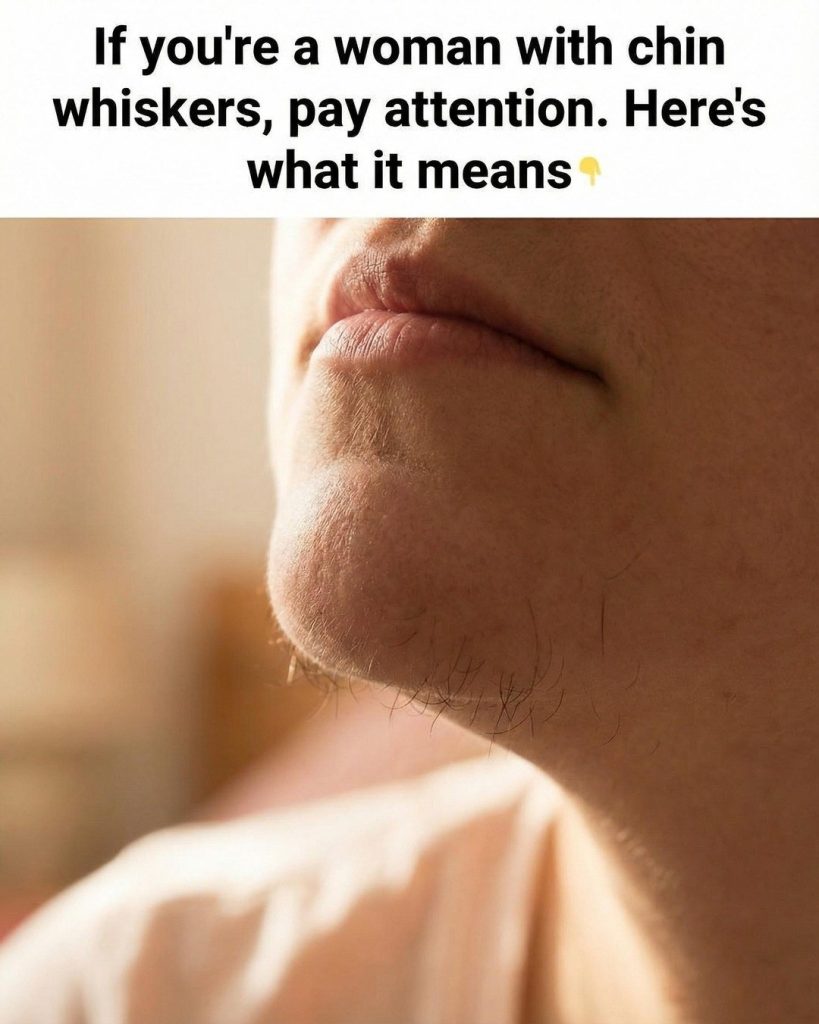
Understanding Facial Hair Growth in Women: The Case of Chin Hair
For many women, the unexpected discovery of coarse hair on the chin can evoke a mix of surprise and concern. This phenomenon, while often alarming at first sight, is a common occurrence that many women experience throughout their lives. The growth of facial hair, particularly around the chin and jawline, varies widely among individuals and is generally influenced by a combination of genetic, hormonal, and lifestyle factors. In most cases, the appearance of chin hair is considered a cosmetic issue rather than a medical one, and it does not usually signal the presence of a serious health condition.
The Hormonal Influence on Hair Growth
One of the primary culprits behind the growth of chin hair in women is hormonal fluctuations. The body produces androgens, hormones often labeled as “male” hormones, but they are present in both genders. Hormones such as testosterone play a significant role in the development of hair across the body, including facial areas. In women, androgen levels are typically lower, yet even slight increases can activate dormant hair follicles, which can lead to the emergence of hair in areas where it may not have been noticeable previously.
Hormonal shifts can occur during various life stages. For example, during puberty, increases in androgen levels may lead to new hair growth in the facial region. Similarly, during menopause or perimenopause, many women notice changes in hair growth patterns as estrogen levels decline, thereby amplifying the effects of androgens. Additionally, changes in birth control methods, pregnancy, or thyroid issues can also affect hormonal balances and consequently influence hair growth on the chin. Women experiencing simultaneous symptoms, such as acne or menstrual irregularities, should consider consulting with a healthcare professional for a thorough assessment.
Polycystic Ovary Syndrome (PCOS) and Its Connection to Facial Hair
Another significant factor linked to chin hair growth in women is Polycystic Ovary Syndrome (PCOS). Affecting approximately 10% of women of reproductive age, PCOS is characterized by hormonal imbalances that can lead to elevated androgen levels. One of the notable symptoms of PCOS is hirsutism, which is excessive hair growth in areas traditionally associated with male hair patterns, including the chin, jawline, and even the back.
While chin hair can certainly indicate the presence of PCOS, it’s essential to recognize that not every woman with facial hair necessarily has this condition. Diagnosis of PCOS involves a combination of symptoms, such as irregular menstrual cycles, difficulty maintaining a healthy weight, and skin issues like acne. Comprehensive evaluations, including blood tests and ultrasound examinations, are critical for an accurate diagnosis. Importantly, having chin hair alone does not equate to having PCOS, and many women may have a few stray hairs without any underlying health concerns. Early identification and management of PCOS are vital for long-term health, emphasizing the need for women to be informed and proactive about their health.
Genetics, Aging, and Natural Hair Growth Patterns
In many scenarios, the emergence of chin hair can be attributed more to genetics and the natural aging process than to any medical condition. As women age, hormonal balances change, and even slight variations in androgen activity can cause previously unnoticed hairs to become more prominent. Some women may start noticing chin hairs in their 30s or 40s, while others may not see them until later in life.
Genetics play a crucial role as well; if a woman has family members who have experienced similar facial hair growth, she is likely to encounter the same. Traits such as hair color, thickness, and texture are often inherited. For instance, dark and coarse hairs are typically more visible than fine, light-colored ones, even if they grow at the same rate. These variations in hair growth are a normal part of human biology and should not necessarily be a cause for alarm. Understanding this can help alleviate unnecessary anxiety and encourage women to view these changes as natural aspects of aging and genetic inheritance.
Managing Chin Hair: Options and Considerations
For women primarily concerned with the aesthetic aspects of chin hair, several effective management techniques are available. The best approach usually depends on individual preferences, hair density, skin sensitivity, and frequency of maintenance desired. Popular options include:
- Tweezing: This cost-effective method allows for precise removal of individual hairs. It is suitable for isolated hairs but may require consistent upkeep.
- Waxing: This technique removes multiple hairs simultaneously, leaving the skin smooth for several weeks. It is recommended to seek a trained professional for this method, especially for sensitive areas.
- Threading: Originating from South Asia, threading utilizes twisted threads to remove hair at the follicle level. It is precise and effective for shaping and removing multiple hairs.
- Depilatory Creams: These creams chemically dissolve hair for easy removal, though they may irritate some skin types, making patch testing advisable.
- Laser Hair Removal: This longer-term solution involves targeting hair follicles to reduce growth over several sessions, most effective for darker hairs.
- Electrolysis: A permanent hair removal method that applies small electrical currents to destroy hair follicles. It is versatile and works on various hair colors and textures but can be time-consuming.
Women often choose to combine methods for optimal results, such as utilizing laser treatments for overall density reduction and tweezing for individual hairs. Selecting the right technique should consider personal comfort, budget, and desired longevity of effects.
The Psychological and Social Dimensions
The emotional and social impacts of facial hair growth can be significant. Many women feel self-conscious or embarrassed about stray chin hairs, largely due to societal beauty standards that promote smooth, hairless skin. It’s valuable to adopt a mindset of acceptance when it comes to facial hair, recognizing that it is not only common but typically benign.
By understanding that chin hair is a natural phenomenon, women can alleviate anxiety surrounding their appearance. Practical grooming techniques and support from professionals can enhance feelings of control over one’s aesthetics. Moreover, engaging with supportive communities, whether through online forums or healthcare discussions, can normalize the experience and remind women that they are not alone in their struggles with facial hair. Knowing that others share similar experiences can provide comfort and reduce feelings of isolation.
When to Seek Professional Advice
Although most instances of chin hair growth are normal, there are certain situations where consulting a healthcare professional is advisable. These may include:
- A sudden, rapid increase in facial hair growth.
- Chin hair coupled with other symptoms such as irregular periods, unexpected weight gain, acne, or skin texture changes.
- Signs of virilization, including deepening voice or increased muscle mass, which can suggest hormonal imbalances.
- Persistent concerns regarding the cosmetic impact of hair growth that can’t be adequately addressed at home.
Professionals can perform hormone testing, review family health history, and offer guidance on potential treatments. Early evaluations can provide women peace of mind and identify any conditions that may require attention.
Final Thoughts: Embracing Change and Knowledge
Chin hair growth in women is a multifaceted issue influenced by hormones, genetics, aging, and sometimes underlying conditions like PCOS. Yet, it is often just a normal part of female biology rather than an indicator of health issues. By educating themselves, women can make informed decisions about management strategies, whether they involve cosmetic treatments or simply accepting these changes as a natural aspect of their lives.
Balancing knowledge about the causes of chin hair with a sense of acceptance allows women to manage both the physical and emotional aspects effectively. With this understanding, women can face the presence of chin hairs with confidence, ensuring that their health and peace of mind coexist harmoniously.
















