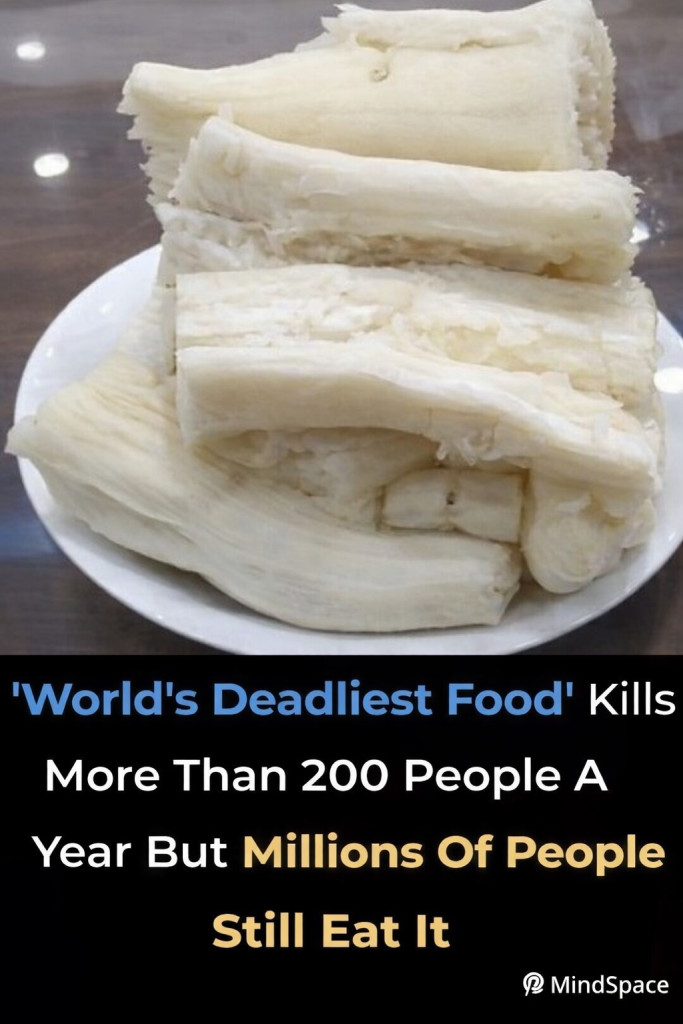
In our daily diets, we often overlook the potential hazards lurking in common foods. One such example is cassava, which is a staple in various regions, particularly South America and parts of Africa. This root vegetable is not just a primary source of carbohydrates; it also harbors a significant risk if not prepared properly. Understanding the inherent dangers of certain foods and how to mitigate these risks is essential for safe consumption. This article will explore cassava in detail, its preparation methods, and the broader implications for food safety awareness.
Understanding Cassava and Its Risks
Cassava, also known as manioc or yuca, is an incredibly versatile ingredient used in numerous dishes, ranging from cassava flour to tapioca pearls. However, it’s crucial to understand that cassava contains naturally occurring compounds called cyanogenic glycosides, which can release cyanide when metabolized. Consuming raw or improperly prepared cassava can lead to severe poisoning and, in extreme cases, be fatal. The symptoms of cyanide poisoning include dizziness, headache, confusion, and respiratory distress. In high doses, it can lead to convulsions and even death.
Sadržaj se nastavlja nakon oglasa
How to Prepare Cassava Safely
To safely enjoy cassava, it must undergo specific preparation processes. The first step involves thorough soaking in water, which helps to leach out some of the toxic compounds. This soaking process can last anywhere from a few hours to overnight, depending on the size of the cassava pieces.
Following that, boiling or steaming the cassava is imperative. Cooking at high temperatures not only detoxifies the cyanogenic glycosides but also enhances the flavor and texture of the root. Experts recommend cooking cassava for at least 30 minutes to ensure it is safe for consumption.
It is also advisable to discard the cooking water because it may contain residual toxins.
The Role of Education in Food Safety
As global culinary practices become more intertwined, it is essential to educate consumers about the potential dangers associated with various foods. Many people are unaware of the risks associated with cassava and other ingredients that require specific preparation methods.
This lack of knowledge can lead to serious health issues, particularly in regions where cassava is a dietary mainstay. Food safety education should be prioritized in culinary schools, food markets, and community centers to promote awareness and prevention.
For instance, workshops can be organized to teach local communities how to prepare cassava safely, along with distributing informative pamphlets that outline the necessary steps for detoxification.
Other Foods with Hidden Risks
Cassava is not alone in harboring potential dangers. Several other common foods also possess hidden risks if not correctly prepared. For example, kidney beans contain lectins, which can cause nausea and vomiting if the beans are not soaked and cooked properly.
It is recommended to soak kidney beans for at least five hours, followed by boiling for at least 10 minutes to deactivate these harmful compounds.
Similarly, potatoes can produce toxic solanine when exposed to light; thus, it is crucial to store them in a cool, dark place and discard any green or sprouted potatoes to prevent poisoning.
The Importance of Recognizing Cultural Practices
In many cultures, traditional food preparation methods have evolved over centuries, often incorporating techniques that mitigate risks associated with certain foods. For example, in parts of Africa and South America, the fermentation of cassava is a common practice that not only enhances flavor but also effectively reduces its toxicity.
Recognizing these cultural practices is essential for understanding how to prepare foods safely. Moreover, integrating science-based food safety education with traditional methods can help bridge the gap between community knowledge and modern culinary practices, ensuring safer consumption.
Conclusion: A Call to Action for Safer Food Practices
As we delve deeper into the world of food preparation and safety, it becomes increasingly clear that knowledge is our best defense against foodborne hazards.
Understanding the risks associated with common ingredients like cassava and implementing proper cooking techniques can significantly reduce the likelihood of poisoning and ensure that we enjoy the culinary diversity our world has to offer.
Promoting food literacy in communities and among food enthusiasts should be a collective priority, ensuring that everyone can partake in safe and nutritious meals. As consumers, we must advocate for better education and awareness regarding food safety, not just for ourselves but for future generations.