
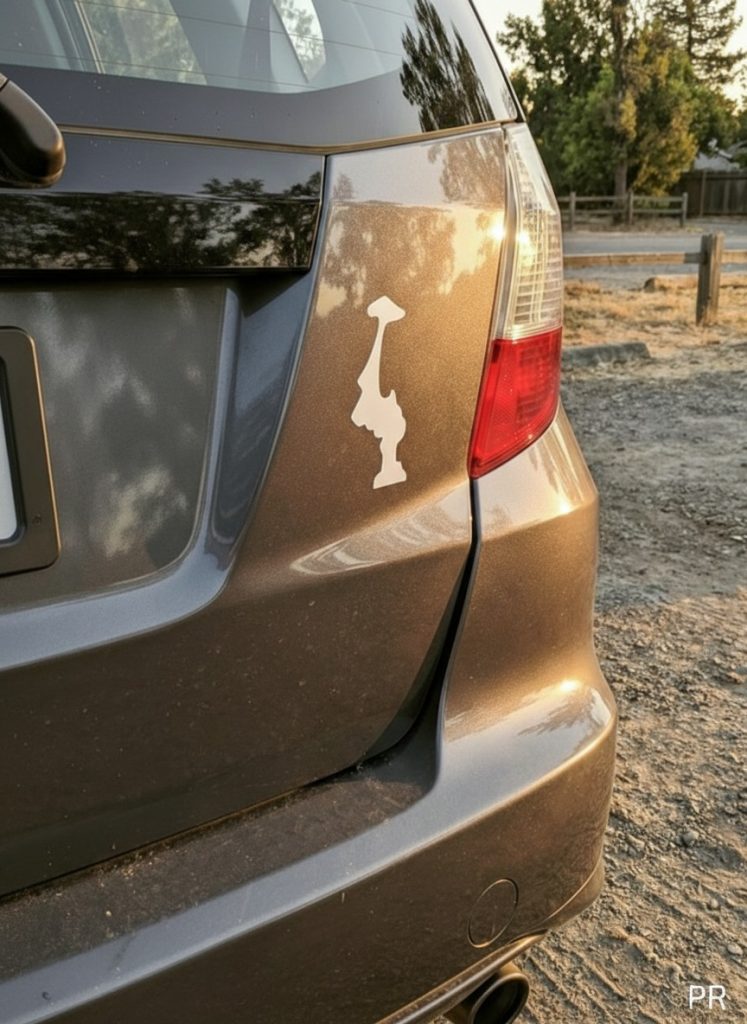
The Upside-Down Washington: A Symbol of Regional Identity
As you journey through the picturesque landscapes of the Pacific Northwest, you might notice a distinctive design that has captured the attention of residents and visitors alike: the outline of the state of Washington, flipped upside down. At first glance, one might think it to be a mere mistake—a printing error or a design oversight. However, upon closer inspection, it becomes clear that this unique orientation is intentional and has evolved into a playful emblem of regional identity. The emergence of this trend is a testament to the evolving culture in Washington and the community’s ability to find humor and connection in everyday symbols.
The phenomenon began to gain traction in the early 2010s, coinciding with a national surge in the popularity of minimalist decals showcasing state outlines. While many states embraced this trend, Washington’s distinct rectangular shape made it particularly recognizable. By flipping the outline upside down, residents introduced a clever twist that set it apart from other state-themed merchandise. What started as a whimsical design decision quickly morphed into a cultural signature, embraced by a diverse array of individuals across the state, from urban centers like Seattle to rural communities nestled in the Cascades.
Embracing the Outdoor Lifestyle
Outdoor enthusiasts were among the first to adopt the upside-down Washington design as a badge of pride. Hikers, cyclists, and adventurers who frequent the state’s lush forests, rugged coastlines, and majestic mountain trails proudly display the decal on their gear and vehicles. For these individuals, the inverted outline transcends mere aesthetics; it symbolizes a profound connection to the natural beauty of the region. The simplicity of the design mirrors the tranquil yet powerful aesthetic of the Pacific Northwest, characterized by its minimalism and thoughtful expression. In a world filled with flashy designs and loud slogans, the understated nature of the upside-down outline resonates with those who cherish the serenity of their surroundings.
For example, you might spot the upside-down Washington on the back of a Subaru Outback parked at a trailhead, welcoming fellow hikers to the great outdoors. Local businesses have also embraced the design, offering a variety of products ranging from hats and t-shirts to stickers and mugs. This shared iconography fosters a sense of community among outdoor lovers, creating unspoken bonds between those who understand the significance of this playful emblem.
The Humor Behind the Design
Several theories have emerged regarding the rationale for flipping the state outline. One humorous notion suggests that Washington’s notorious rainy weather has caused the state to turn over from all the precipitation. This lighthearted explanation speaks to the residents’ ability to find humor in their climate, which is often characterized by overcast skies and rainy days. Another perspective appreciates the subtlety of the design, interpreting it as a modest way for residents to signal their pride without resorting to bombastic displays. Furthermore, some locals observe that the upside-down shape resembles a mountain peak, paying homage to iconic landmarks like Mount Rainier and the surrounding mountain ranges. These interpretations add layers of meaning to the design, transforming it into a conversation starter while maintaining its understated charm.This humor is part of what makes the emblem resonate so deeply with Washingtonians. Social media platforms have been flooded with memes and comments that play off the design, showcasing the wit and creativity of the community. For instance, you might find a post with a photo of the upside-down state next to an umbrella captioned, “This is how we stay dry in Washington!” Such playful interactions keep the spirit of the emblem alive and further enrich its cultural significance.
A Quiet Declaration of Home
Today, the inverted outline of Washington represents more than just a decal; it has become a poignant symbol of home for many residents—especially those who have relocated away from the state. The design evokes memories of evergreen forests, ferry crossings on the picturesque Puget Sound, and the enchanting mist of coastal mornings. For these individuals, the upside-down outline serves as a quiet declaration of their roots and a reminder of the beauty that defines their home. It embodies a sense of belonging, even for those who have ventured far from the familiar landscapes of Washington.This emotional connection is evident in stories shared by former residents who sport the design on their personal belongings. Whether it’s a handwritten postcard sent from abroad or a virtual meeting background featuring the logo, the upside-down Washington serves as a reminder of home during moments of nostalgia. It becomes a source of comfort and identity that transcends geographical boundaries, allowing those who have left to maintain ties to their origins.
The Cultural Significance of Minimalism
As minimalist designs increasingly gain traction in contemporary culture, the upside-down Washington outline exemplifies the appeal of simplicity and authenticity. In a time when consumers are often bombarded with overwhelming choices and flashy marketing, the understated nature of this emblem resonates with those who appreciate a more genuine approach to self-expression. It invites curiosity and conversation without demanding attention, allowing individuals to connect over shared experiences and values.This cultural shift toward minimalism reflects a broader societal trend that favors authenticity and connection over spectacle. In a world dominated by fast fashion and ephemeral trends, the upside-down Washington stands firm as a lasting symbol of pride rooted in local identity. This enduring appeal is evident at craft fairs and local markets, where handmade versions of the design are sought after by those eager to showcase their love for their home state in a way that feels both meaningful and personal.
















