The Hidden Risks of Alternative Therapies: A Cautionary Case Study
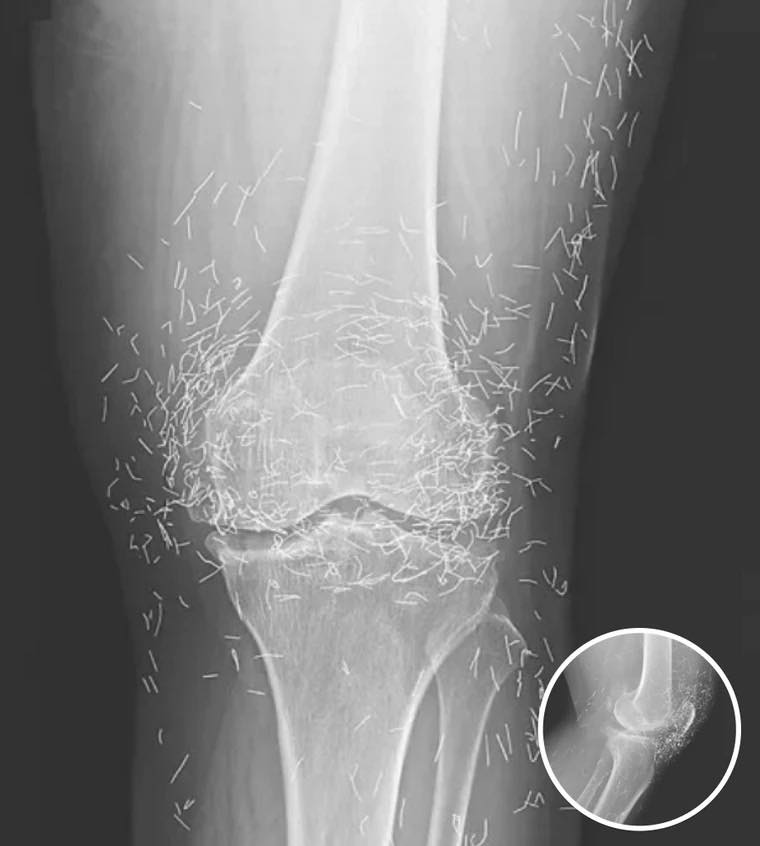
On February 21, 2026, a routine medical examination led to an unexpected discovery that has sparked significant discussions around the safety of alternative therapies, specifically acupuncture. A 65-year-old woman from South Korea, who has been struggling with severe joint pain due to osteoarthritis, was subjected to an X-ray that unveiled hundreds of tiny gold needles embedded in her knee tissue. This revelation raises profound questions about the practices we turn to when conventional treatments fail and highlights the complexities of navigating alternative medicine.
Understanding Osteoarthritis and Its Treatment Options
Osteoarthritis is a degenerative joint disease characterized by the breakdown of cartilage, which cushions the joints, and the underlying bone. This condition often results in stiffness, swelling, and significant pain, making daily activities increasingly difficult for those affected. Conventional treatments typically include painkillers, anti-inflammatory medications, and physical therapy. However, these standard approaches do not always yield desired outcomes. For many patients, the side effects of these medications, such as gastrointestinal distress, lead them to seek alternative solutions.
Sadržaj se nastavlja nakon oglasa
Furthermore, the emotional and psychological toll of chronic pain cannot be overstated. Patients often find themselves grappling with feelings of hopelessness and frustration when traditional methods fail. This emotional burden can drive individuals to explore various alternative therapies in search of relief. The desire for holistic healing, combined with the allure of natural remedies, often leads patients to pursue treatments that lack empirical support, adding an additional layer of complexity to their decision-making process.
Acupuncture: An Ancient Practice with Modern Implications
Acupuncture is a traditional Chinese medicine practice that involves inserting thin needles into specific points on the body to alleviate pain and treat various ailments. It has gained popularity worldwide, particularly in Asian countries like South Korea, where it is often utilized for managing arthritis symptoms.
In the case of this South Korean woman, she turned to acupuncture after traditional treatments failed her. However, her treatment plan included the controversial practice of leaving gold needles in place, designed to offer continuous stimulation to the affected area.
The practice of acupuncture itself is steeped in history, with roots that trace back over 2,500 years. Traditionally, it is based on the belief that energy (or “qi”) flows through pathways in the body, and by inserting needles at specific points, practitioners can restore balance and promote healing.
While many patients report positive outcomes, these experiences are often anecdotal and not universally replicable. The lack of standardized practices and rigorous scientific study can lead to widely varying results, raising concerns about patient safety and the efficacy of treatments like those used in this case.
The Risks of Retained Needles
While the intention behind using gold needles may have been to provide long-term relief, medical professionals warn of the potential dangers associated with leaving foreign objects within the body. Dr. Ali Guermazi, a radiology professor at Boston University, emphasizes that the human body is not equipped to handle foreign materials.
According to Dr. Guermazi, this can lead to a series of complications, including inflammation, infection, and the formation of abscesses. He states, “The human body doesn’t like foreign material. It reacts with defense mechanisms — starting with inflammation and forming fibrous tissue around the object.”
This cautionary perspective is echoed across medical literature, where numerous case studies highlight instances of patients experiencing adverse effects from retained needles. For example, patients have reported chronic pain, persistent swelling, and in severe cases, the need for surgical intervention to remove the embedded objects.
The implications of such cases underscore the importance of informed consent, urging patients to be fully aware of potential risks associated with alternative therapies.
Diagnostic Challenges and Safety Concerns
In addition to the immediate health risks, the presence of retained needles poses significant complications for medical diagnostics. Retained foreign bodies can obscure anatomical details on X-rays, complicating the interpretation of imaging results.
Moreover, patients with metallic objects in their bodies face serious restrictions when it comes to medical procedures like MRI scans. The magnetic force during an MRI can cause these needles to move, potentially leading to severe damage, including puncturing blood vessels, which could result in life-threatening situations.
Furthermore, the diagnostic ambiguity introduced by foreign materials can lead to misdiagnoses. Medical practitioners may overlook critical signs of existing conditions while attributing symptoms to retained needles, thereby delaying appropriate treatment.
This scenario highlights the need for clear communication between alternative therapy providers and conventional medical practitioners, ensuring that all parties involved are aware of a patient’s complete medical history and any alternative treatments undertaken.
The Broader Context of Acupuncture in Medicine
Despite these warnings, acupuncture continues to be a prevalent therapy for joint pain in many countries, and the use of gold threads and needles is regarded as a standard treatment in certain Asian nations.
Proponents argue that the gold needles provide enduring benefits, claiming that they enhance the overall therapeutic effects of acupuncture. However, scientific evidence supporting these claims remains limited.
In the United States, acupuncture has also gained traction, with reports from the National Institutes of Health indicating that around 3.1 million American adults and 150,000 children underwent acupuncture treatments in 2007 alone. Yet, the practice is still viewed with skepticism by many in the medical community.
This skepticism is rooted in a desire for evidence-based practices in medicine. While some studies suggest acupuncture may alleviate certain types of pain, critics argue that more rigorous research is necessary to determine its efficacy conclusively.
The growing interest in alternative therapies calls for a balanced approach, where patient safety and scientific validation coexist. Integrating traditional practices with modern medicine can yield positive outcomes, but it must be done with caution and a commitment to patient education.
A Cautionary Tale for Patients and Practitioners
The case of the 65-year-old South Korean woman serves as a cautionary tale in the realm of alternative therapies. While she sought relief from debilitating joint pain, her X-rays serve as a stark reminder of the potential risks associated with extreme alternative medicine practices.
Health practitioners and patients alike must approach treatments — especially those involving the insertion of foreign materials into the body — with caution and thorough understanding.
It is crucial to weigh the benefits against the potential risks, ensuring that the pursuit of relief does not come at the cost of additional health complications.
As this case illustrates, the allure of immediate relief can cloud judgment, leading individuals to make choices that could have long-term consequences. It is crucial for practitioners to engage in thorough discussions with their patients about available options, including the risks and benefits of each treatment approach.
This dialogue fosters informed decision-making, enabling patients to choose therapies that align with their health goals while minimizing potential hazards.
Conclusion: Informed Choices in Medical Treatments
As the landscape of medical treatments evolves, it is imperative for patients to stay informed about the therapies they choose. The integration of traditional practices like acupuncture should be approached with care, especially when they involve the use of materials that could pose health risks.
The story of the South Korean woman highlights the importance of informed decision-making in healthcare. It reinforces the need for rigorous scientific evaluation of alternative therapies to ensure patient safety while striving for effective pain management solutions.
In conclusion, while acupuncture and other alternative therapies offer hope and relief for many individuals, it is essential to navigate these options with caution. Patients should be encouraged to seek treatments from qualified practitioners, understand the risks involved, and maintain open communication with their healthcare providers.
By doing so, they can make informed choices that prioritize both their health and well-being in their journey toward pain relief.