
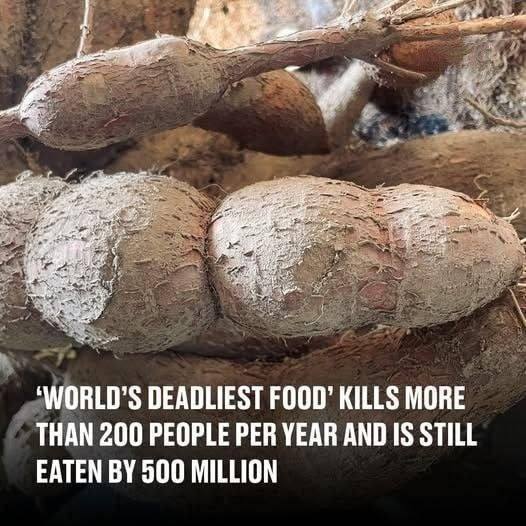
The Hidden Dangers of Cassava: The World’s Deadliest Food
Among the countless delicacies enjoyed across the globe, cassava stands out as a particularly dangerous yet widely consumed staple. With an estimated 500 million people relying on this tropical root as a primary source of nutrition, cassava’s reputation as one of the world’s deadliest foods is not without justification. However, the dangers associated with cassava stem primarily from improper preparation. While it can be lethal if consumed raw or inadequately processed, the majority of those who eat cassava do so safely, utilizing traditional methods that mitigate its risks. This article delves into the complexities of cassava, exploring its nutritional benefits, the dangers of toxicity, and the historical implications of its consumption.
Understanding Cassava: A Nutritional Powerhouse
Cassava, scientifically known as Manihot esculenta, is native to South America but has become a crucial part of diets in many tropical regions, particularly in Africa and Asia. In regions where food security is a concern, cassava is often favored due to its resilience and high yield. It grows well in poor soils and can thrive in drought conditions, making it a vital food source during times of scarcity. This adaptability is particularly crucial as global climate patterns shift, potentially affecting agricultural outputs.
Each year, over 300 million tonnes of cassava are produced globally, underscoring its significance as a food crop. The plant is rich in carbohydrates, providing a substantial amount of energy for those who consume it. Additionally, cassava is a good source of dietary fiber, vitamin C, and several B vitamins. These nutritional aspects make cassava an attractive option for many communities where other food sources may be limited. However, it is important to note that not all parts of the cassava plant are safe to eat. The leaves, roots, and peel contain naturally occurring toxins that can lead to serious health issues, particularly when consumed without proper processing.
The Toxicity of Cassava: A Double-Edged Sword
Cassava contains significant amounts of cyanogenic glycosides, particularly when the bitter variety is consumed. These compounds can be hazardous because, when improperly prepared, they degrade into hydrogen cyanide, a potent toxin that poses serious health risks. The World Health Organization estimates that improper consumption of cassava leads to approximately 200 deaths annually. This alarming figure highlights the urgent need for awareness around the safe handling and preparation of cassava.The bitter varieties of cassava can contain as much as 1,000 mg of cyanide per kilogram, while sweeter types have lower concentrations, sometimes as little as 20 mg per kilogram. Traditional methods for ensuring safety include peeling, soaking, and cooking cassava thoroughly. For instance, soaking the roots for up to 24 hours can significantly reduce the cyanide levels, making them safe for consumption. Furthermore, cooking the cassava at high temperatures can also help in neutralizing the toxins, rendering them harmless. These traditional practices have been passed down through generations and are crucial for safeguarding the health of those who depend on cassava as a staple food.
Historical Context and Modern Implications
The consumption of cassava has been recorded for centuries, particularly among indigenous populations in the Amazon. In fact, many communities have integrated cassava into their cultural practices, using it not just as food but also in rituals and social gatherings. However, its association with food security issues is particularly pronounced in modern times. As global food crises emerge due to climate change and economic instability, reliance on cassava may increase, raising concerns about the potential for toxicity. For instance, during the food shortages in Venezuela in 2017, there were reports of increased consumption of bitter cassava, leading to tragic outcomes as people sought to stave off starvation. This situation illustrates the dire consequences of inadequate knowledge surrounding food safety.In regions where cassava is a dietary staple, public health measures and education on safe preparation methods are essential. Governments and NGOs often work to disseminate information about the risks and proper cooking techniques to prevent poisoning and associated health conditions. Without proper education, communities may unknowingly expose themselves to risks, such as ataxia, a neurological disorder linked to high cyanide consumption. Public health campaigns aimed at raising awareness about these dangers can significantly reduce the incidence of cassava-related illnesses.
















