
The Heartwarming Journey of Punch: A Japanese Macaque’s Tale of Survival and Friendship
In recent years, the captivating story of Punch, a baby Japanese macaque, has captured the hearts and minds of people around the globe. This tale is not just one of survival; it is a profound narrative of resilience, companionship, and the unique bonds that can form across species. Born on July 26, 2025, at the Ichikawa City Zoo in Chiba Prefecture, Japan, Punch entered the world under precarious circumstances. His biological mother, unfortunately, rejected him almost immediately after birth, thrusting him into a world of uncertainty and isolation. This initial trauma set the stage for a journey that would resonate with many, highlighting both the vulnerabilities and strengths of the animal spirit.
In natural macaque societies, maternal care is a vital component of infant development. Young macaques typically rely on their mothers for warmth, nutrition, and security during their formative weeks. The absence of such care can lead to severe repercussions, ranging from developmental delays to social isolation, both of which are particularly concerning for a young primate. Fortunately, the dedicated zookeepers at Ichikawa City Zoo recognized the urgency of the situation and took on the responsibility of hand-raising this vulnerable infant. They ensured he received the nourishment and care necessary for survival, much like a mother would. This situation sparked a broader discussion on the role of zoos in animal welfare and the ethical responsibilities associated with caring for wildlife.
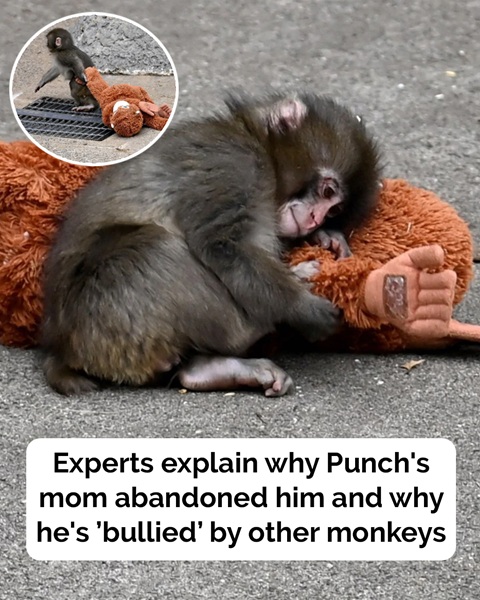
Despite the zookeepers’ best efforts, Punch’s need for a maternal figure remained unmet. Understanding the profound impact of maternal absence on psychological well-being, the staff endeavored to provide him with comfort. They introduced various surrogate items, including towels and soft toys, to help mimic the nurturing environment he desperately needed. Among these, one particular item emerged as Punch’s steadfast companion: an oversized orangutan plush toy from IKEA, named Djungelskog. This toy would become an integral part of Punch’s daily life, providing emotional support and a semblance of maternal love. The bond he formed with Djungelskog is a testament to the power of comfort objects, which play a crucial role in emotional regulation for many animals, including humans.
As images and videos of Punch with his beloved plush toy began to circulate on social media, they captured the attention of millions. The hashtag #HangInTherePunch went viral, serving as a rallying cry for supporters who empathized with his plight. The emotional resonance of his story transformed Punch into a symbol of hope and perseverance, touching people not just in Japan but across the world. Visitors flocked to the zoo, eager to witness Punch’s journey firsthand, and the once-sleepy Ichikawa City Zoo turned into a bustling destination for animal lovers and curious onlookers. The demand for the IKEA orangutan toy soared, with many fans purchasing the plush in solidarity with Punch. This phenomenon illustrates the profound impact that an individual animal story can have on public sentiment and consumer behavior, prompting discussions surrounding animal advocacy and awareness.
However, as Punch grew, the zookeepers faced the challenge of integrating him into a larger troop of approximately 60 Japanese macaques. The introduction was fraught with difficulties, as established members of the troop often reacted negatively to his presence. Videos surfaced online depicting Punch being pushed away or chased by older monkeys, leading some observers to label these interactions as bullying. Nevertheless, zoo officials clarified that this behavior was typical of macaque social dynamics. In these groups, dominant individuals often assert their rank over younger or less experienced members, a behavior deeply rooted in their matrilineal hierarchy. This aspect of macaque social structure provides insights into the complexities of their interactions, underscoring the importance of understanding animal behavior in captive settings.
Despite the initial setbacks, the zookeepers remained hopeful about Punch’s social development. They emphasized that the apparent “discipline” he received from other monkeys was part of his learning process, equipping him with the necessary social skills to navigate the complexities of macaque interactions. Over time, Punch began to show signs of acceptance within the troop. He engaged in playful antics, groomed other monkeys, and even rode on the backs of his peers during communal activities—signs indicating that he was gradually finding his place in the social fabric of his group. This gradual acceptance serves as a powerful reminder of the resilience inherent in social animals and the adaptive strategies they employ to thrive in communal settings.
As Punch continues to mature, his reliance on the plush toy has diminished, although he still seeks comfort from it, especially during the night. Described by zookeepers as “mentally strong,” Punch’s resilience has become a cornerstone of his character, enabling him to cope with the challenges of social integration and develop essential communication skills. His evolving relationship with Djungelskog highlights the importance of emotional bonds in the animal kingdom, bringing attention to how animals express affection, comfort, and companionship. The journey of this little macaque serves as a poignant reminder of the complexities of animal behavior, particularly the effects of maternal rejection. Experts in primate care highlight that such rejections are not uncommon, especially among first-time mothers or in stressful environments.
In a broader context, Punch’s story has sparked vital conversations about animal welfare, zoo management practices, and the environmental pressures faced by wildlife. The increased attention on Punch has led to the implementation of guidelines to ensure the well-being of all monkeys in the zoo, encouraging visitors to respect their space while maintaining a peaceful atmosphere. The phenomenon surrounding Punch also raises ethical questions about social media’s role in animal conservation. Critics warn that the romanticization of individual stories could inadvertently promote misunderstandings about the needs of wild animals in captivity. This discourse is essential for fostering a balanced understanding of animal welfare, emphasizing the need for informed advocacy and responsible animal caregiving.
Ultimately, the enchanting tale of Punch transcends the boundaries of species, serving as a bridge between humans and animals. It invites us to reflect on our shared emotional experiences and the importance of empathy in conservation efforts. As Punch’s narrative unfolds, many remain hopeful that he will continue to flourish within his troop, finding friendship not only in his plush toy but also among his fellow macaques. His inspiring journey from abandonment to acceptance resonates deeply, leaving an indelible mark on the hearts of those who cheer him on. Through Punch, we learn invaluable lessons about resilience, social bonds, and the universal quest for belonging, sparking a broader dialogue on the ethical treatment of all animals and the interconnectedness of life across species.
















