
Understanding Scams and Cultivating Clear Thinking: Essential Lessons for Everyday Life
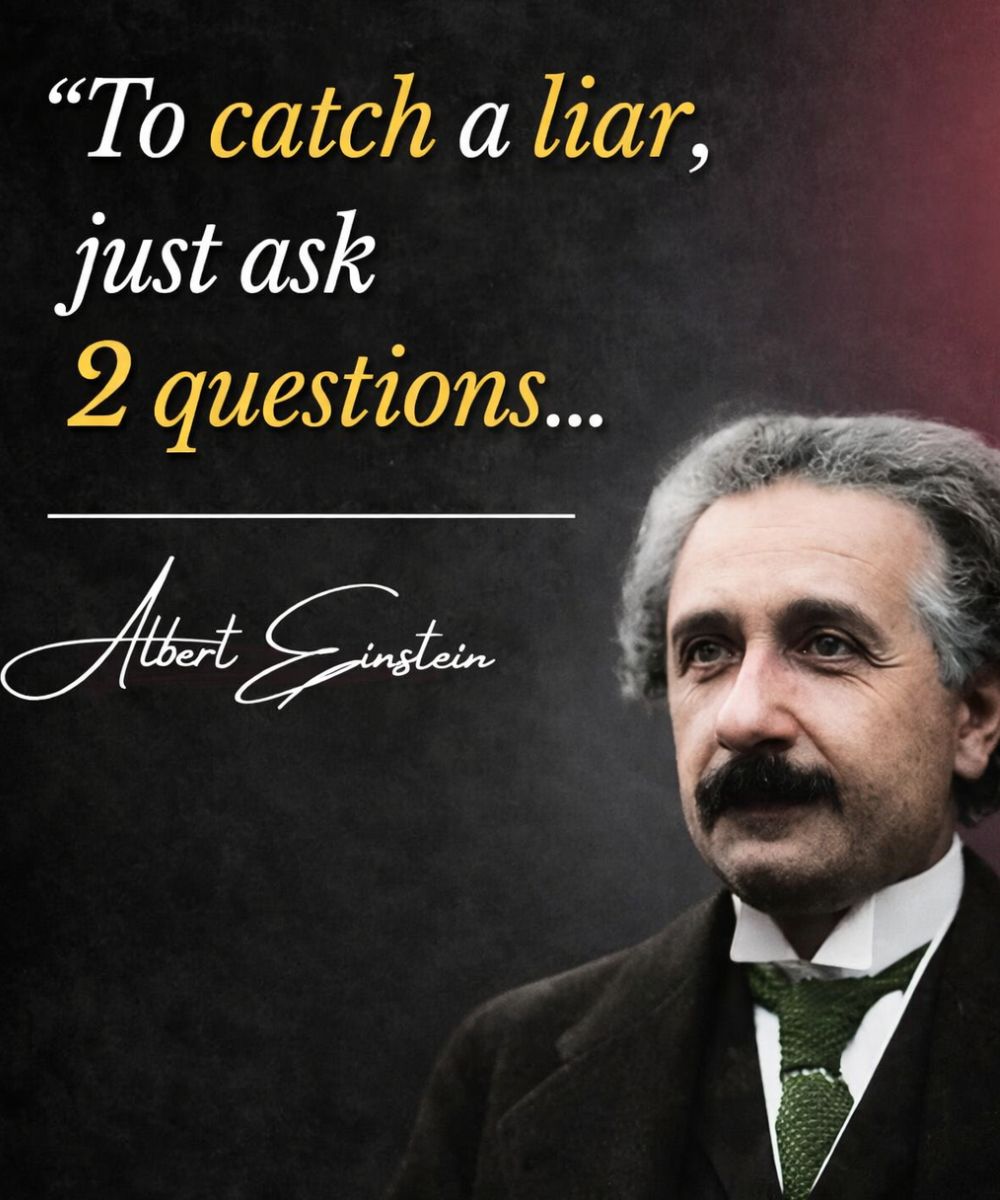
Throughout my journey in life, I often found myself in search of shortcuts. The desire to be more intelligent, wealthy, attractive, joyful, and successful with minimal effort has always been alluring. However, the harsh reality is that genuine shortcuts are a myth, a lesson that I have learned through various experiences. The most valuable insights about life do not come from trendy self-help books or popular productivity hacks; rather, they emerge from self-reflection, keen observation, and prioritizing one’s well-being. In this age of rampant deception, I have come to appreciate the timeless wisdom of thinkers like Albert Einstein. Although renowned primarily for his contributions to the field of physics, Einstein’s ideas on curiosity, imagination, and critical thinking are profoundly relevant to our daily lives, particularly when it comes to safeguarding ourselves from deception.

The Importance of Continuous Learning
Einstein famously stated, “Life is like riding a bicycle; to keep your balance, you must keep moving.” This metaphor resonates deeply with me. When I cease to learn, challenge myself, or engage with the world, I become susceptible to stagnation and, more alarmingly, to those who seek to exploit my vulnerabilities. Statistics reveal that in recent years, billions have been lost to fraud, with the Federal Trade Commission estimating that Americans lost over $8.8 billion to scams in 2022 alone. Scammers excel at targeting individuals who are distracted or complacent. They prey on universal human impulses: the quest for instant gratification, blind trust, and the fear of missing out. To defend myself, I have found that maintaining a curious mindset and being vigilant in my learning endeavors is essential. Engaging with diverse sources of information, even those seemingly irrelevant to me, sharpens my awareness of potential manipulation.

Unleashing Imagination and Critical Thinking
It’s important to note that mere facts aren’t enough to keep one safe. Imagination—the capacity to envision possibilities and outcomes—is a critical safeguard against deception. For example, when I receive emails claiming I’ve won something or that my account has been compromised, I don’t just scrutinize the grammar. I leverage my imagination by asking questions like, “How would a legitimate entity contact me?” and “Does this situation align with reality?” Most scams unravel when subjected to creative scrutiny and critical thinking. Research indicates that employing critical thinking skills significantly reduces the likelihood of falling victim to phishing and other online scams.

Embracing Mistakes as Learning Opportunities
One of the most profound lessons I’ve learned is that mistakes are not final verdicts but rather valuable teachers. Like many, I have experienced the sting of being scammed. For instance, once I clicked on a seemingly innocuous link that promised free concert tickets. My banking app swiftly alerted me to suspicious activity, prompting a moment of panic. Thankfully, I didn’t incur any losses because my bank intervened. Initially, I felt embarrassed, but in hindsight, I recognized that this incident provided crucial insights. It highlighted the importance of vigilance regarding red flags: unexpected urgency, emotional appeals, and unsolicited requests for personal information. Each mistake is a stepping stone towards wisdom, and I now maintain a journal to document these experiences, transforming them into a protective armory of knowledge.

Fostering Open-Mindedness and Skepticism
One vital realization is that individuals with closed minds are prime targets for scammers. Those who accept information at face value—whether it comes through emails, social media, or even from friends—become easy prey. I strive to approach all information with an open but discerning mind, constantly questioning: “Does this make sense?” “Is there conflicting evidence?” and “What is the intent behind this information?” Keeping an open mind does not equate to gullibility; rather, it embodies a spirit of inquiry that demands verification. This approach aligns with Einstein’s notion of independent thinking, encouraging me to interrogate the information I receive, even when it comes from seemingly trustworthy sources.

Prioritizing Contribution Over Status
Another crucial lesson is understanding that those who chase status, likes, and followers are often more susceptible to scams. Scammers exploit our ambitions and the allure of shortcuts, presenting enticing deals and exclusive memberships. Instead of pursuing superficial popularity, I focus on making meaningful contributions to others. This mindset not only shapes my character but also enhances my security. When my attention shifts from how I am perceived to how I can support others, I become less vulnerable to deceptive promises.
Identifying Inconsistencies and Trusting Your Instincts
A particularly useful strategy in spotting scams is to look for inconsistencies. Most scammers lack the finesse to maintain a coherent narrative; they often contradict themselves or create false senses of urgency. For example, I once encountered an investment opportunity that promised returns in just one week—an offer that seemed almost too good to be true. By conducting thorough research and asking the right questions, I quickly discovered that the individuals involved were not registered with any legitimate financial authority. Maintaining a simple, grounded lifestyle not only supports my mental well-being but also protects my finances. The more I strive for complexity and luxury, the more vulnerable I become to scams. True happiness lies in appreciating simplicity, nurturing relationships, and embracing knowledge.
Practical Habits for Protection
Over the years, I have cultivated several practical habits to enhance my awareness of potential scams. These include:
- Questioning at least one thing daily to foster curiosity.
- Accepting mistakes as integral to the learning process.
- Seeking context before forming opinions.
- Reading outside my comfort zone to broaden perspectives.
- Simplifying decisions by focusing on essential details.
- Observing if actions align with words.
When considering potential scams, I typically ask myself, “Is this genuine?” and “What signs indicate deception?” Recognizing unsolicited offers, urgency tactics, too-good-to-be-true deals, requests for personal data, and changing narratives are crucial in identifying potential threats. Taking a moment to reflect often proves invaluable, as academic research suggests that pausing to think can significantly mitigate the risk of falling prey to scams.
Developing a Scam-Resistant Mindset
Looking ahead, I question myself about the habits that can continue to protect me from scams. Here are some strategies that have served me well:
- Thoroughly vetting sources before engaging in financial transactions.
- Keeping software and devices updated to safeguard against vulnerabilities.
- Educating myself about prevalent scams through reliable resources.
- Setting clear boundaries regarding personal information shared online.
- Trusting my instincts; if something feels off, it likely is.
These habits have become second nature to me. Now, when I encounter suspicious messages, I approach them calmly, take a deep breath, and make informed decisions. Einstein’s teachings on curiosity and reflection are not merely theoretical concepts; they serve as vital tools for navigating a world rife with misinformation and manipulation. By cultivating a curious mindset, analyzing mistakes, and developing independent thought, I can sidestep the echo chambers that facilitate scams. Even simple acts, like journaling my insights, strengthen my ability to detect warning signs in the future.
















