
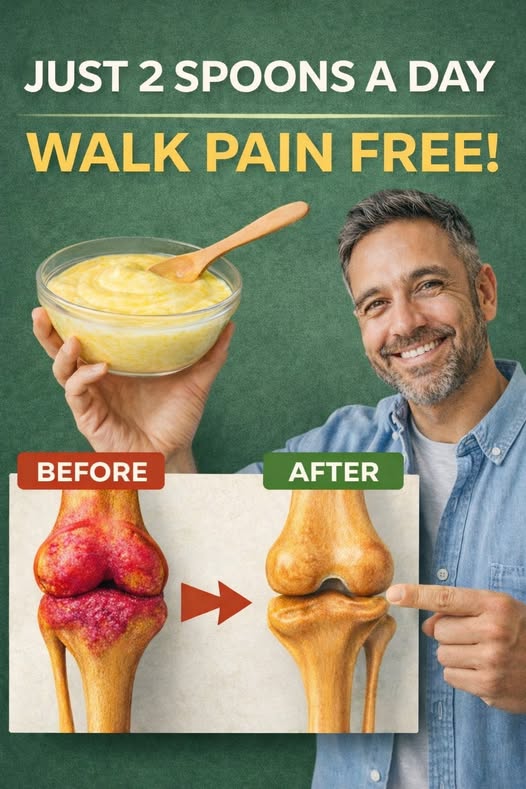
Understanding Knee Cartilage and the Role of Nutrition
When it comes to the health of our joints, particularly the knee, misinformation often circulates, leading to unrealistic expectations about recovery and regeneration. Claims suggesting that certain foods can rebuild knee cartilage in just 24 hours lack substantial support from medical research. The reality is that cartilage, the smooth tissue responsible for cushioning joints, does not regenerate rapidly. The process of repairing or improving joint health typically spans weeks to months and necessitates a comprehensive approach that encompasses nutrition, exercise, and medical intervention. Understanding the complexity of our cartilage and the factors affecting its health can better equip us to tackle joint issues.
Cartilage is a unique type of connective tissue with properties that allow it to withstand pressure and provide a smooth surface for joint movement. Its primary function is to reduce friction between the bones in joints and absorb shock during physical activities. Unfortunately, cartilage does not have a blood supply, which means its ability to heal is limited. Without proper nutrition and care, cartilage can deteriorate over time, especially due to conditions like osteoarthritis, which is characterized by the breakdown of cartilage, leading to pain, swelling, and decreased mobility. Thus, maintaining joint health isn’t merely about repairing existing damage; it involves a multifaceted strategy aimed at supporting the overall function of the joints.
The Nature of Cartilage and Joint Health
To understand knee health, one must delve into the nature of cartilage itself. Consisting mainly of water, collagen, and proteoglycans, cartilage is crucial for the smooth articulation of the knee joint. When cartilage begins to wear down due to factors such as age, repetitive stress, or injury, it can lead to conditions like osteoarthritis. This degenerative disease affects millions globally and is often accompanied by pain, swelling, and joint stiffness, significantly impacting the quality of life. Therefore, a proactive approach to joint health is essential, especially as one ages or engages in high-impact sports.
Foods That May Benefit Knee Cartilage Health
While it’s important to note that no single food can magically restore cartilage, certain dietary choices can contribute to better joint health and potentially alleviate some discomfort over time. Here are several foods noted for their beneficial properties:1. Bone Broth
Bone broth is often heralded for its rich content of collagen, gelatin, and amino acids. These components may be instrumental in supporting joint tissues. Regular consumption of bone broth can provide the body with the necessary building blocks to maintain and repair cartilage.- Supports cartilage structure: The collagen present helps maintain the integrity of cartilage, providing it with the necessary building blocks.
- May reduce joint stiffness: Warm bone broth can also be soothing, potentially easing stiffness in joints.
2. Fatty Fish
Fatty fish such as salmon, sardines, and mackerel are rich in omega-3 fatty acids, which are known for their anti-inflammatory properties. Incorporating these into your diet can be an effective strategy in managing joint pain and inflammation.3. Leafy Green Vegetables
Vegetables such as spinach, kale, and broccoli are packed with essential vitamins, including Vitamin C and Vitamin K, along with various antioxidants. These nutrients are vital for maintaining the health of joints and cartilage.4. Berries
Berries such as blueberries, strawberries, and raspberries are renowned for their high levels of antioxidants. Their incorporation into the diet can provide significant benefits for joint health.5. Nuts and Seeds
Nuts and seeds, including almonds, walnuts, flaxseeds, and chia seeds, are excellent sources of healthy fats and vital minerals. Their nutrients play a crucial role in maintaining joint health.Essential Nutrients for Cartilage Maintenance
Several essential nutrients play a pivotal role in supporting cartilage and overall joint health. These include:Holistic Approaches to Joint Health
To truly protect and maintain knee cartilage, a holistic approach is necessary. Here are some additional strategies to consider:In conclusion, while dietary choices alone cannot regenerate knee cartilage overnight, they can play a significant role in supporting joint health and reducing inflammation. A well-rounded approach that includes nutritional consideration, regular physical activity, and attention to body mechanics is essential for proactive joint care. If you experience persistent knee pain, swelling, or stiffness, it is crucial to consult a healthcare professional for a comprehensive evaluation, especially if conditions like Osteoarthritis are suspected. Integrating a balanced diet with proper exercise and medical advice creates a foundational approach to maintaining healthy joints throughout life, ensuring that you remain active and pain-free as you age.
















