
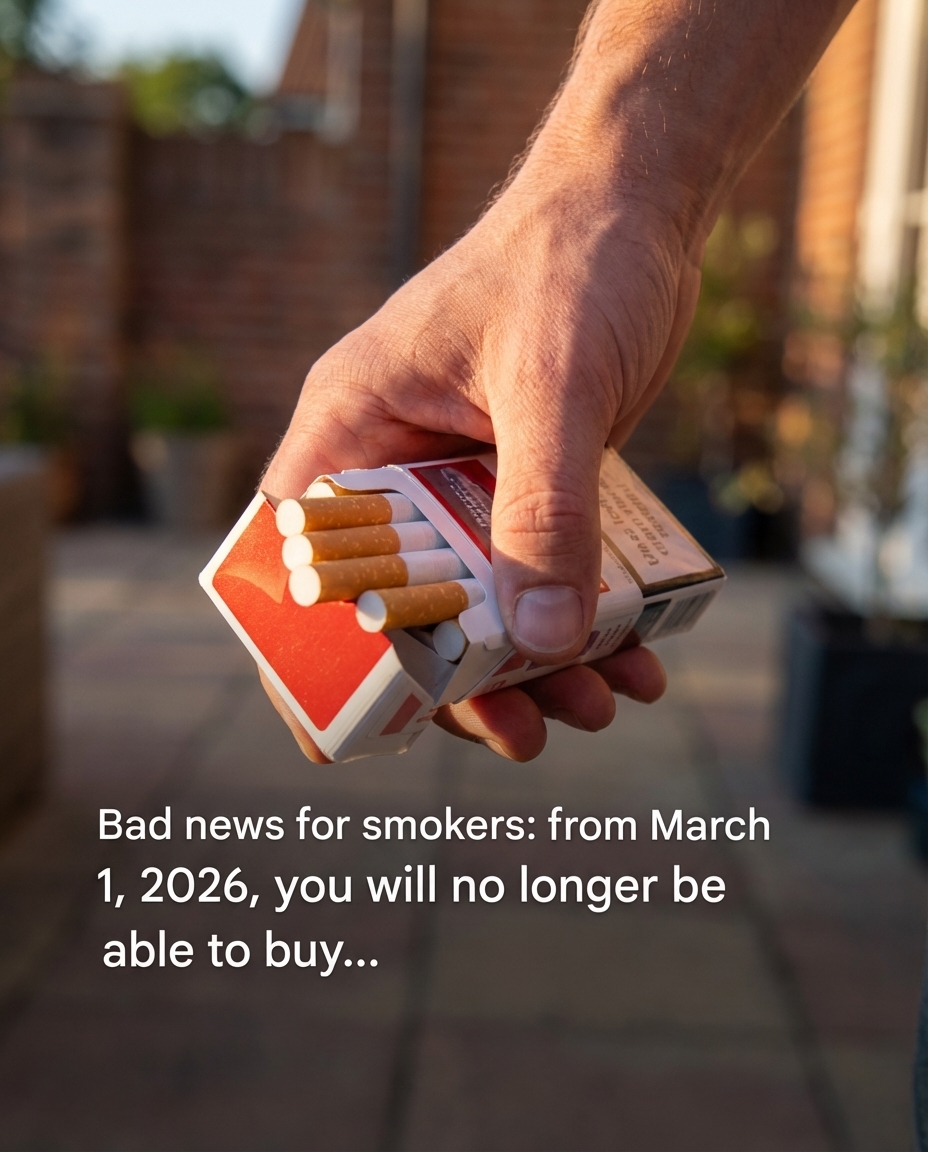
The Dynamics of Cigarette Pricing in France: A Comprehensive Overview
The landscape of cigarette pricing in France has undergone substantial transformations in recent years, primarily propelled by government interventions aimed at enhancing public health and minimizing tobacco consumption. These price increases are not merely arbitrary; they form part of a larger strategy to promote healthier lifestyles and provide comprehensive education regarding the dangers linked to tobacco usage. Understanding the underlying mechanics of how cigarette prices are formulated can offer valuable insights into the financial realities faced by consumers, many of whom may be surprised by the high costs associated with this habit.
How Prices Are Established: A Complex Process
The intricate pricing structure of cigarettes begins at the manufacturer or importer level. These entities are responsible for determining the proposed retail price, a calculation that encompasses various factors, including production costs, transportation expenses, and distribution margins. However, this proposed price is just the starting point; it must subsequently undergo a rigorous review process by the Directorate General of Customs and Indirect Taxes. This governmental body ensures that the pricing adheres to national regulations and standards. Once approved, the price becomes fixed across the country, creating a uniform pricing system that prevents retailers from offering discounts or setting variable prices based on regional demand.
The Components of Cigarette Pricing
The final retail price of a pack of cigarettes is the culmination of several distinct components. Generally, manufacturers receive approximately 15 percent of the total price to cover the costs associated with production and distribution. Retailers, on the other hand, are allocated a regulated commission that typically ranges between 8 to 10 percent. However, the overwhelming majority of the price—about 75 to 80 percent—is consumed by government taxes, which include excise duties and value-added tax (VAT).
Understanding Excise Duties and Their Impact
Excise duties play a significant role in determining cigarette prices in France. These duties are calculated based on both a percentage of the retail price and a fixed rate that pertains to the quantity of cigarettes sold. The government implements minimum price thresholds to ensure a steady stream of revenue, which is often allocated toward public health initiatives and anti-smoking campaigns. This taxation strategy is designed not only to generate income for the state but also to deter smoking by making cigarettes less affordable for consumers.
The Future of Cigarette Pricing: Trends and Projections
Looking ahead, projections indicate that by early 2026, the average price of a pack containing 20 cigarettes is expected to range between €12.50 and €13, depending on the brand. This consistent increase in pricing reflects the government’s commitment to reducing tobacco consumption through economic deterrents. The long-term aim is not only to generate revenue but also to create a healthier society by discouraging the use of tobacco products. Such financial policies are critical for funding various public health programs designed to combat the adverse effects of smoking, thereby fostering a more informed public.
Implications for Public Health and Consumer Awareness
The ramifications of these cigarette pricing policies extend far beyond mere economics; they intersect with vital public health considerations. By focusing on taxation and regulatory measures, the government aims to create a significant impact on smoking rates. Furthermore, the educational aspect of these policies cannot be overstated. As consumers become aware of the steep costs associated with smoking, it may lead some to reconsider their choices and explore healthier alternatives. In this context, the pricing structure serves as both a deterrent and an informative tool, aligning perfectly with the objectives of health advocacy and consumer protection.
Economic Consequences: A Broader Perspective
The economic ramifications of cigarette pricing in France extend into various sectors. For instance, higher prices could lead to a decline in sales, prompting manufacturers and retailers alike to rethink their strategies. This shift could foster innovation within the industry, pushing businesses to develop alternative products, such as vaping devices or tobacco-free herbal cigarettes, to cater to the evolving preferences of consumers who may be looking for less harmful options. Moreover, as cigarette consumption decreases, there could be noticeable shifts in job markets related to tobacco farming and manufacturing, which currently employ thousands of individuals in France.
















