
The Escalating Geopolitical Tension: U.S., Israel, and Iran
The ongoing conflict between the United States, Israel, and Iran has emerged as one of the most significant geopolitical crises of the 21st century. This multifaceted situation, rooted in decades of political, military, and ideological disputes, reached a critical boiling point in late February 2026. What initially began as targeted military actions transformed into an extensive regional confrontation, drawing the attention of nations worldwide. The military campaign, which commenced on February 28, involved a series of coordinated strikes led by the United States and Israel against key Iranian military infrastructure, signaling a major escalation in hostilities.
In a shocking turn of events, reports surfaced that Iran’s Supreme Leader, Ayatollah Ali Khamenei, had been killed during these strikes. This news reverberated throughout the Middle East and beyond, given Khamenei’s longstanding influence over Iranian politics and military strategies. His leadership had significantly shaped Iran’s approach to international relations since the late 20th century, making his reported death a pivotal moment in the ongoing conflict. In the aftermath, Iranian officials declared a period of national mourning and signaled their intent to retaliate against American and allied forces, raising fears of a broader conflict.
The Immediate Aftermath of the Strikes
Following the military strikes, tensions in the region escalated dramatically. Iran responded with missile and drone attacks targeting locations believed to house American and allied military personnel. These strikes were not limited to Iranian borders; they extended across the Persian Gulf, affecting countries such as Bahrain, Kuwait, Qatar, Jordan, and the United Arab Emirates, all of whom were put on high alert. This rapid escalation led to increased military readiness and emergency protocols across the region, showcasing the fragile security landscape that had been exacerbated by the conflict.
On March 1, 2026, a tragic incident unfolded when an Iranian drone strike targeted a tactical operations center near Port Shuaiba in Kuwait. This facility served as a backup operations hub for U.S. military logistics and was critical to the broader campaign against Iranian aggression. Despite its reinforced barriers, the drone attack successfully breached defenses, resulting in significant casualties. Six U.S. Army service members lost their lives, their deaths marking a devastating point in the conflict that highlighted the human cost of military engagements.
Honoring the Fallen: A Dignified Transfer Ceremony
The loss of these soldiers—Major Jeffrey R. O’Brien, Captain Cody A. Khork, Chief Warrant Officer 3 Robert M. Marzan, Sergeant First Class Nicole M. Amor, Sergeant First Class Noah L. Tietjens, and Sergeant Declan J. Coady—sent shockwaves through the U.S. military and the nation as a whole. On March 7, their remains were returned through a dignified transfer ceremony at Dover Air Force Base in Delaware. This solemn ritual is a long-standing military tradition that pays respect to those who have made the ultimate sacrifice. The ceremony included the presence of family members, military officials, and senior government leaders, all gathered to honor the fallen heroes.
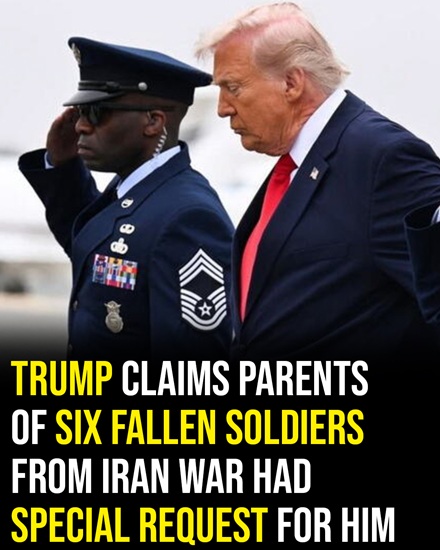
President Donald Trump attended the ceremony and took the time to meet privately with the families, offering condolences and reflecting on their sacrifices. His remarks highlighted the emotional weight borne by military families during such tumultuous times. Reports indicated that many family members expressed a strong desire for the military objectives to continue, urging the government to ensure that their loved ones’ sacrifices would not be in vain. This sentiment underscored the complexities of military engagements, where the motivations for conflict often intertwine with deeply personal narratives of loss and sacrifice.
Expanding Conflict and its Wider Implications
As the conflict continued to unfold, the Pentagon confirmed that the U.S. military casualties had increased, with a seventh service member, Army Sergeant Benjamin N. Pennington, succumbing to injuries sustained during an Iranian attack in Saudi Arabia. This growing toll illustrated the expanding nature of the conflict, which was increasingly affecting American troops stationed across the region. While many of these personnel were involved in support roles rather than direct combat, the unpredictability of drone warfare and missile strikes posed significant risks for all service members.
Amid these developments, American and Israeli forces intensified their military operations, specifically targeting Iranian missile and drone production facilities. President Trump claimed that these efforts had substantially weakened Iran’s military capabilities. However, intelligence assessments cautioned that despite the damage inflicted, Iran’s military infrastructure remained largely intact, suggesting that the potential for ongoing conflict remained. The situation compelled policymakers and international observers to consider the prospect of diplomatic negotiations as a means to prevent further escalation.
The Human Cost of War: Remembering the Fallen
The families of the fallen soldiers received widespread support from military organizations, veteran groups, and communities across the United States, demonstrating the deep appreciation for their service. Public memorial services and tributes emerged as a powerful reminder of the human cost behind military actions. The stories of these six soldiers not only symbolize the bravery of service members but also underscore the personal sacrifices that often accompany national security efforts.
As the conflict continues to evolve, global leaders are monitoring the situation closely, assessing its implications for international security. While some reports indicate that the most intense phase of the military campaign may be concluding, the region remains poised for potential developments. For the families of those who lost their lives, however, the focus remains on honoring their legacy and ensuring that their sacrifices are neither forgotten nor undervalued. Their courage stands as a testament to the commitment of service members who strive to protect their nations amidst a backdrop of uncertainty and conflict.
















