
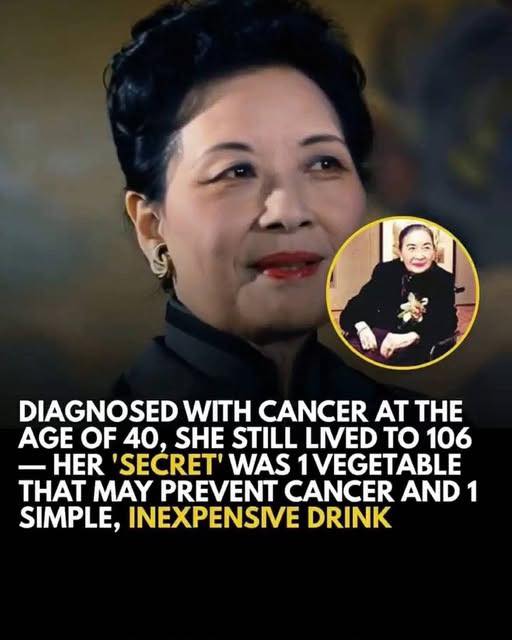
The Life and Influence of Soong Mei-ling: Madame Chiang
Soong Mei-ling, widely recognized as Madame Chiang, is not merely a historical figure but a symbol of resilience and political acumen whose legacy continues to resonate in contemporary discussions about women in power. Born into a well-to-do family in Shanghai in 1898, Soong was the youngest in a line of accomplished siblings who would go on to shape significant aspects of Chinese history. The Soong family was steeped in a legacy of education and political engagement, with her father, a prominent businessman, ensuring his children received the best education available. Her marriage to Chiang Kai-shek, the leader of the Nationalist government, further positioned her as a key player in political and diplomatic realms during a tumultuous era in China, marked by civil war, foreign invasion, and global conflict.
Before her marriage, Soong Mei-ling was educated in the United States, where she attended Wellesley College, a prestigious women’s institution known for empowering young women through education. At Wellesley, she not only studied English literature but also developed a keen interest in traditional Chinese culture. This blend of Western and Eastern education provided her with a unique perspective on governance and diplomacy. Her fluency in both English and Chinese allowed her to serve as a cultural ambassador, bridging the gap between the East and West during a time when misunderstandings were prevalent. As the Second Lady of China, she was not only an influential political figure but also a charismatic speaker who played a vital role in garnering support for the Nationalist government both domestically and internationally. Her eloquence and charm were instrumental during World War II, as she worked tirelessly to secure aid for China from the United States, famously addressing the U.S. Congress and captivating audiences with her passionate appeals.
The Health and Longevity of Soong Mei-ling
Soong Mei-ling’s longevity and vibrant lifestyle have often been attributed to her adherence to Traditional Chinese Medicine practices and healthy dietary habits. She practiced meticulous self-care, which included a strict daily routine characterized by early bedtime and rise times. Soong was known to rise at dawn to begin her day with exercises and meditation, enabling her to maintain both physical and mental clarity. Her daily schedule reflected a balance between work and leisure, consisting of engaging activities like reading and artistic endeavors that stimulated her creativity. This balanced approach to life has served as an inspiration for many, especially women aiming to lead healthy lives, as she exemplified how discipline and self-care can lead to both personal and professional success.
Her diet was particularly noteworthy, emphasizing the consumption of fresh, nutritious foods. She started her mornings with a glass of cold water mixed with lemon to kickstart her metabolism, a practice that many health aficionados today still advocate. Among the fruits she cherished were kiwis, pineapples, and lychees, each chosen not only for their taste but also for their health benefits, such as boosting immunity and aiding digestion. Featured prominently in her meals was celery, a vegetable lauded in Traditional Chinese Medicine for its numerous health benefits, including anti-inflammatory properties. Known for its rich nutrient profile, celery is packed with vitamins, minerals, and antioxidants, making it an ideal component of her health regimen.
A Nutritional Philosophy
Soong Mei-ling’s approach to eating was both disciplined and practical. She adhered to the principle of consuming small, frequent meals, having five meals a day while stopping short of full satisfaction—eating until she was about 70% full. This practice has garnered attention among modern dieters and health enthusiasts, promoting a mindset of moderation and mindfulness. This approach is not only effective for weight management but also aligns with many Eastern philosophies that advocate for harmony between the body and mind. Her lifestyle continues to influence many women who seek inspiration for their own dietary choices, showcasing how ancient wisdom can seamlessly integrate into contemporary life.
In addition to celery, spinach was a staple in her diet. This leafy green is revered for its wealth of nutrients, including protein, calcium, iron, and various vitamins. Spinach is also known for its ability to improve cognitive function and support digestive health, epitomizing the principles of a balanced diet. Soong’s commitment to health was not just about her own well-being but also reflected broader cultural values that emphasize the importance of food as medicine, a notion deeply rooted in Chinese tradition. Her meals often included a variety of vegetables and lean proteins, demonstrating her commitment to maintaining health through nutrition, which she believed was fundamental for both physical and mental strength.
The Legacy of Soong Mei-ling
As a prominent figure in Chinese politics, Soong Mei-ling’s influence extends beyond her lifetime. Her unique position as a woman in power during a male-dominated era highlights the potential for women to effect meaningful change in society. She faced numerous challenges, including societal expectations and the political turbulence of her time, yet she navigated these obstacles with grace and resilience. The strategies she employed, such as effective public speaking and forging alliances, continue to serve as a reference point for discussions on women’s leadership and empowerment worldwide. Today, her legacy lives on in the realms of politics, health, and cultural identity, providing a rich source of inspiration for future generations. In a world still grappling with gender disparities, Soong’s story serves as a reminder of the importance of women’s voices in shaping policy and public opinion.
In conclusion, the life of Soong Mei-ling encapsulates the intersections of health, politics, and cultural heritage. Her dedication to healthful living and her political achievements create a compelling narrative that inspires many. Through her story, we can learn about the importance of nutrition, the power of women in leadership, and the enduring impact of one individual on the course of history. As we reflect on her contributions, it is essential to appreciate the lessons she imparted about resilience, health, and the significance of cultivating a balanced lifestyle. Her life serves not only as a historical account but also as a guide for future leaders, particularly women, who aspire to make their mark on the world.
















