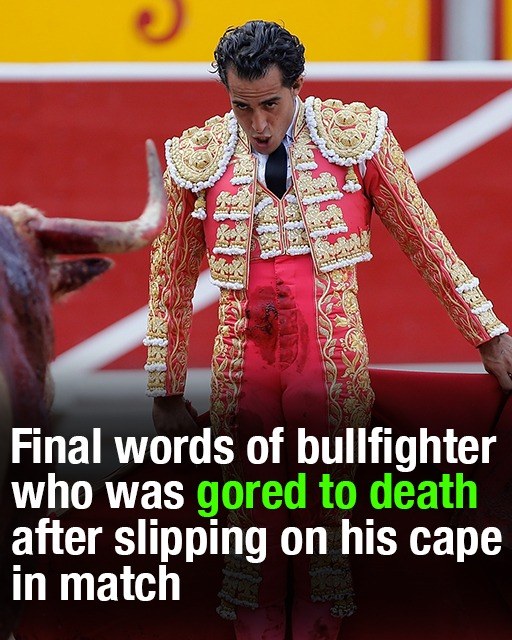
The Legacy of Iván Fandiño: A Matador’s Life and Tragic End
Iván Fandiño, a prominent Spanish matador, is remembered not only for his outstanding skills in the ring but also for the tragic circumstances surrounding his death in 2017. Fandiño was fatally gored by a bull during a bullfighting festival in Aire-sur-l’Adour, France, a town steeped in the rich traditions of Occitan and Gascon culture. His untimely passing sent shockwaves throughout the bullfighting community and sparked intense debates regarding the ethics and future of this centuries-old tradition, leaving a lasting impact on both supporters and critics alike.
A Rising Star in Bullfighting
Born in Orduña, a quaint town in Spain’s Basque Country, Fandiño was raised in an environment that celebrated bullfighting as a vital aspect of cultural heritage. His family, like many in the region, had a deep-rooted appreciation for the art of bullfighting, which was often seen as a rite of passage. From an early age, his natural talent for the sport became evident; he possessed a unique combination of discipline, courage, and technical prowess that set him apart from his contemporaries. Fandiño stood out not only for his physical capabilities but also for his charisma and connection with the audience, elements that would later define his career. By the time he reached his early twenties, Fandiño had made his professional debut, quickly gaining a reputation for his willingness to challenge formidable bulls that others preferred to avoid.
Sadržaj se nastavlja nakon oglasa
The Day of the Incident
On the fateful day of June 17, 2017, Fandiño participated in a bullfight that would mark the end of his life and career.
Earlier in the day, he had successfully completed an earlier fight, eliciting applause and admiration from the crowd while drawing criticism from animal rights advocates who opposed the event.
As he prepared for his second fight, the atmosphere in the arena was electric, filled with anticipation as spectators gathered to witness the talents of one of Europe’s most respected matadors.
During the second fight, an unfortunate twist of fate changed everything. While performing a signature pass known as the verónica, Fandiño’s cape became entangled around his feet, causing him to lose his balance and fall in front of the charging bull.
The bull, known for its strength and lineage, struck him in a vulnerable spot, inflicting grave injuries that required immediate medical intervention. The arena, once filled with excitement, was suddenly enveloped in horror as spectators watched the chaotic scene unfold, many unable to comprehend the gravity of the situation.
A Community in Mourning
Despite the swift actions of emergency responders, who rushed to stabilize Fandiño before transporting him to a nearby hospital, the extent of his injuries proved fatal.
Eyewitnesses reported his last words, urging for help, “Hurry up, I’m dying.” His death marked a significant moment in bullfighting history, as it was the first time a matador had died in France in nearly a century, a stark reminder of the inherent risks associated with the sport.
Fandiño’s tragic end resonated deeply within the bullfighting community, prompting many to reflect on the dangers faced by those in the arena.
The Responses and Reflections
Fandiño’s passing elicited an outpouring of grief not only from the bullfighting community but from the broader cultural landscape of Spain.
Public figures, including King Felipe VI and then-Prime Minister Mariano Rajoy, paid tribute to Fandiño, recognizing his contributions to the sport and acknowledging the profound impact of his loss. Tributes poured in from fans, fellow matadors, and admirers worldwide, reflecting the deep connections formed through the art of bullfighting.
His funeral in Orduña was attended by thousands, showcasing the immense respect he garnered throughout his career and the void left by his absence.
The Ethical Debate Continues
In the wake of Fandiño’s death, conversations surrounding bullfighting’s ethical implications reignited. His tragic accident drew parallels to previous incidents, including the death of fellow matador Víctor Barrio, which had occurred less than a year prior and was broadcast on national television.
Both events highlighted the ongoing debate over animal welfare, safety concerns, and whether traditional practices should evolve in response to contemporary societal values. While supporters argue that bullfighting is a cultural art form, critics advocate for reform or abolition due to concerns over animal suffering.
The dichotomy between tradition and modern morality continues to fuel heated discussions, igniting protests and calls for animal rights reform across Spain.
A Lasting Legacy
Fandiño’s legacy continues to resonate within the bullfighting community and beyond. His commitment to the craft, marked by years of training and dedication, exemplified the tension between artistic expression and the perilous nature of the profession.
He is often remembered not just for his technique but for his ability to confront powerful bulls that others feared. His life serves as a poignant reminder of the intricate balance between tradition and the evolving ethical landscape surrounding bullfighting.
Fandiño’s story is not merely one of talent but also one of passion, courage, and the unyielding spirit of a man devoted to his art.
Conclusion: The Future of Bullfighting
As society grapples with the intersection of cultural heritage and modern moral standards, Fandiño’s story provides a critical lens through which to examine the future of bullfighting. With growing awareness and advocacy for animal rights, the tradition faces an uncertain future.
Educational discussions surrounding Fandiño’s life and tragic end continue to foster deeper understanding of the complexities tied to this controversial practice.
His enduring legacy inspires both admiration and critical reflection, ensuring that his contributions to the art of bullfighting will not be forgotten, even as the discourse surrounding the sport evolves.
The question remains—can traditions like bullfighting adapt to the changing landscape of societal values, or will they become relics of the past?