
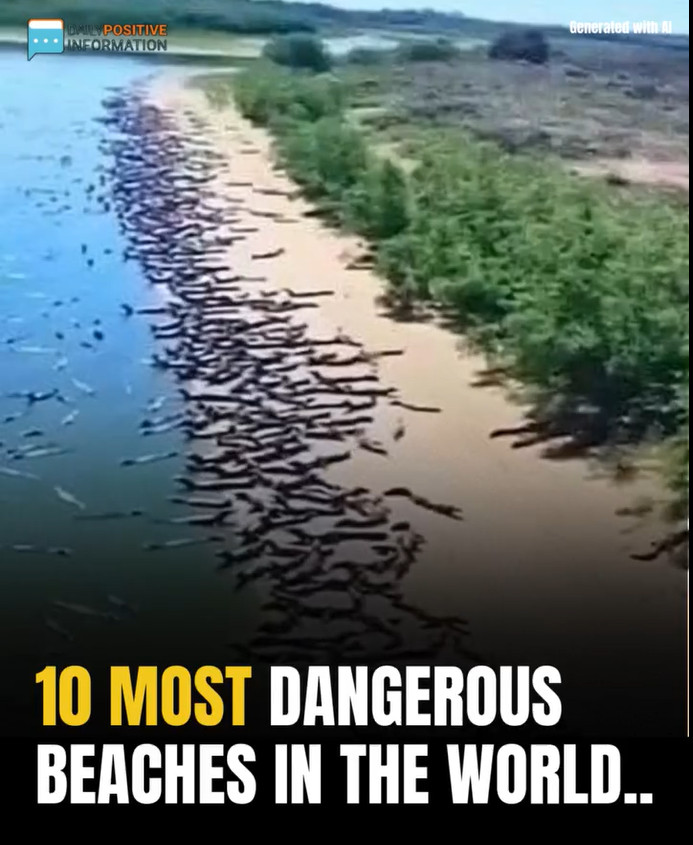
Exploring the Hidden Dangers of Popular Beaches
Beaches are often regarded as serene havens, where families, friends, and solo travelers flock to enjoy sun-kissed sands, gentle ocean breezes, and the sound of waves lapping against the shore. These coastal stretches promise relaxation and the perfect escape from the hustle and bustle of daily life. However, beneath their inviting surfaces, many beaches harbor significant threats that could turn a delightful day into a dangerous experience. Understanding the risks associated with various beaches is crucial for responsible enjoyment of these natural wonders.
This article delves into some of the world’s most perilous beaches, where hidden hazards—from turbulent currents to dangerous wildlife—transform these paradisiacal spots into treacherous terrains. By shedding light on these locations, we aim to equip travelers with the knowledge they need to approach these beaches with caution and respect for the natural forces at play.
1. Hanakapiai Beach, Hawaii, USA
Located on the picturesque north shore of Kauai, Hanakapiai Beach is a true visual delight, framed by stunning cliffs and lush waterfalls. However, its beauty belies the danger present in its waters. The beach is notorious for its swift and unpredictable rip currents that can ensnare even the strongest swimmers, often on seemingly calm days. These currents can form unexpectedly, pulling individuals out to sea before they realize the peril they’re in.
Visitors are strongly cautioned against swimming here, as local advisories frequently warn of the hazardous conditions. Despite this, many tourists, unfamiliar with the ocean’s currents, underestimate the risks involved and venture into the waters, leading to unfortunate and sometimes fatal incidents. Emergency response efforts are complicated by the beach’s remote location, which requires rescuers to navigate steep, slippery trails. It is best to appreciate Hanakapiai Beach from the safety of its shore and heed all warnings regarding swimming.
2. Skeleton Coast, Namibia
The Skeleton Coast in Namibia is a hauntingly beautiful stretch of land known for its eerie shipwrecks and the remains of whales that have washed ashore. The chilling atmosphere is amplified by the perilous waters of the Atlantic Ocean, which are characterized by strong currents and significant swells. These factors make activities such as swimming and boating extremely risky without the guidance of experienced professionals.
Adding to the perilous nature of this coastline are the offshore great white sharks, which are known to frequent the area. These predators often come close to shore, drawn by the abundance of seals that inhabit the region. Visitors must be fully aware of the risks involved in any aquatic activities along this coastline, and guided tours are highly recommended to ensure safety in such a harsh environment.
3. Cape Tribulation Beach, Queensland, Australia
Situated within the stunning Daintree Rainforest, a UNESCO World Heritage site, Cape Tribulation Beach is renowned for its natural beauty. However, this picturesque location harbors its own set of dangers. The waters are home to several species of jellyfish, particularly the box jellyfish and the Irukandji, both of which possess potent stings that can cause severe health issues if left untreated.
During the tropical stinger season, which spans from October to May, swimming is often restricted or requires swimmers to wear protective suits to avoid jellyfish stings. Furthermore, saltwater crocodiles are known to inhabit the nearby waterways, posing additional risks to anyone engaging in water activities. Visitors are urged to pay close attention to posted warnings and to exercise extreme caution when near water, as both jellyfish and crocodiles can be deadly.
4. New Smyrna Beach, Florida, USA
New Smyrna Beach, located along Florida’s Atlantic coast, is a popular destination for surfers and beachgoers alike, drawn by its inviting warm waters. However, this beach has garnered a notorious reputation for having one of the highest rates of shark bites in the world. Interestingly, most of these encounters are not from large predatory attacks; rather, they tend to be exploratory bites from smaller sharks.
These interactions often occur near areas where baitfish are present, particularly around sandbars and river inlets. Local authorities frequently remind swimmers to be vigilant and to avoid swimming alone or making excessive splashing, which can attract sharks. Despite the risks, with proper safety awareness and adherence to beach advisories, many continue to enjoy the thrill of surfing and swimming in this beautiful locale.
5. Fraser Island, Queensland, Australia
The world’s largest sand island, Fraser Island, is a place of stunning contrasts, featuring freshwater lakes, towering dunes, and pristine beaches. However, it is essential to understand the dangers that lurk in these waters. The island is known for its resident population of wild dingoes, which can pose risks to unsuspecting visitors. Although generally wary of humans, dingoes can display aggressive behavior, particularly towards those carrying food or encroaching on their territory.
Additionally, the coastal waters are not just home to beautiful scenery but also to dangerous jellyfish and strong ocean currents that can overwhelm even experienced swimmers. Because many beaches on Fraser Island lack lifeguards, it is crucial for visitors to swim only at patrolled areas and to follow strict safety guidelines, including avoiding interactions with wildlife.
6. Gansbaai, South Africa
Known as Shark Alley, Gansbaai in South Africa is famous for its high population of great white sharks, making it a hotspot for shark cage diving. While this thrilling activity is conducted under strict safety measures, swimming in open waters without professional guidance is highly discouraged due to the unpredictable nature of these powerful predators. Great whites can be drawn to areas of movement, which raises the stakes for bathers and surfers alike.
Local tour operators promote safe practices and provide invaluable knowledge about the behavior of the sharks in the region, emphasizing the importance of adhering to safety protocols. The allure of Gansbaai’s marine life attracts many, but caution is paramount when venturing into its waters.
7. Playa Zipolite, Mexico
Playa Zipolite, aptly nicknamed “Beach of the Dead,” is renowned for its powerful riptides and strong undertows. The currents here can be treacherous, challenging even the most skilled swimmers. With no protective reefs to mitigate wave strength, bathers can easily underestimate the ocean’s power, resulting in dangerous situations.
The beach attracts a diverse crowd, from surfers to free spirits, all drawn to its bohemian atmosphere. However, local signage advises caution, encouraging beachgoers to remain close to shore and to swim only when conditions are favorable. Engaging with local guides and following safety recommendations is essential for anyone visiting Zipolite.
8. Kilauea Beach, Hawaii, USA
Kilauea Beach, located near the active Kīlauea volcano, presents a unique hazard. When lava flows meet the ocean, they create hazardous conditions, including superheated water and poisonous gases. Visitors venturing too close can face serious injuries from steam explosions or exposure to toxic air quality.
The local authorities frequently warn against approaching these hazardous areas and urge visitors to stay informed about volcanic activity. Tours guided by knowledgeable experts can provide safety measures and enhance the experience of witnessing this geological wonder from a safe distance.
9. Chowpatty Beach, Mumbai, India
Chowpatty Beach is one of Mumbai’s most iconic locations, famed for its vibrant atmosphere and local street food. Unfortunately, it is also plagued by severe pollution, making swimming highly discouraged. The shoreline is frequently contaminated with untreated sewage and industrial waste, posing significant health risks to those who venture into the water.
Despite efforts to clean the beach, ongoing pollution issues severely impact water quality, which can lead to skin infections and gastrointestinal illnesses. Visitors are advised to be cautious and to avoid contact with the water, emphasizing the need for ongoing environmental initiatives to restore this cultural landmark.
10. Amazon River Beaches, South America
Beaches along the Amazon River provide a stunning backdrop and unique ecosystems, but they can be fraught with danger. Freshwater species such as piranhas, caimans, and anacondas inhabit these waters, posing real threats to swimmers. While piranha bites are rare, they can occur, particularly when food is scarce. Caimans, which are similar to crocodiles, can be aggressive if startled, and anacondas, though generally non-threatening, add another layer of caution for those navigating these riverine environments.
Travelers are often advised to engage in guided tours to ensure safety while exploring these beautiful yet perilous beaches. Knowledgeable guides can provide essential insights into the local wildlife and help manage any risks associated with river swimming.
Final Thoughts on Beach Safety
While the allure of beaches can be captivating, it is essential to remember that nature can be dangerously unpredictable. Before visiting any beach, it is vital to conduct thorough research on local conditions, heed posted warnings, and consult lifeguards about potential hazards.
Understanding how to identify dangerous currents, selecting lifeguarded areas, and possessing basic water safety knowledge can greatly reduce the risk of accidents. No matter where you travel, respecting the ocean, rivers, and the natural forces that shape our world is crucial. By making informed decisions, beachgoers can help ensure their safety and that of others, making every beach visit a joyful and safe adventure.
















