The Harrowing Journey of Martin Pistorius: A Story of Resilience and Hope
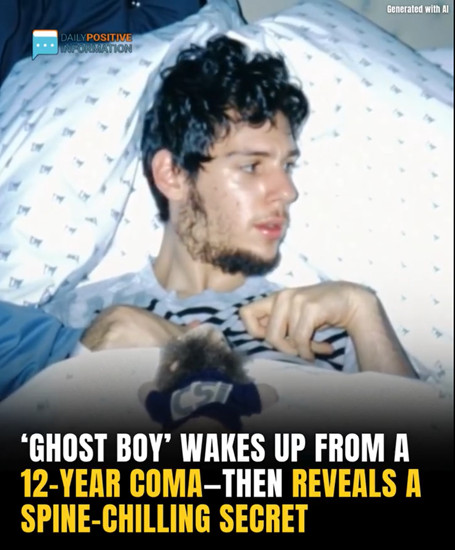
The experience of being fully aware yet unable to communicate is a deeply unsettling reality that few can comprehend. It challenges the very essence of what it means to be human. One man who endured this harrowing ordeal is Martin Pistorius, a South African boy whose life dramatically changed at the tender age of twelve. What began as a puzzling medical condition soon transformed his existence into a profound struggle against isolation and despair. Stricken by a rare neurological disorder, Martin found himself trapped in a body that did not respond, leading those around him to believe he was in a comatose state. However, unbeknownst to them, he remained fully cognizant of his surroundings, a silent observer of his own life.
For many years, Martin’s reality was one of disconnection and helplessness. Doctors and family members mistakenly assumed he was unresponsive, perpetuating a sense of abandonment that no one should ever have to endure. As he lay immobile, Martin was acutely aware of the conversations that swirled around him—moments of laughter, sorrow, and daily life that he could not engage with. This experience, often referred to as “locked-in syndrome,” illustrates a profound paradox where cognitive abilities remain intact while physical agency is lost. Martin later recounted this period as an awakening, where his consciousness returned gradually, creating a disorienting blend of awareness and paralysis.
The Struggle for Recognition and Communication
As Martin navigated his silent prison, he experienced a range of emotions that few can truly understand. The frustration of being invisible to those around him weighed heavily on his spirit. He felt a sense of entrapment that extended beyond the physical limitations of his body; it was a profound emotional and psychological struggle. Despite his immobility, Martin retained thoughts, memories, and the capacity for reasoning. His dual existence—being both an observer and a captive—was excruciating. The journey to reclaim his voice was long and fraught with challenges, but it began with the unwavering support of his family and the eventual recognition from medical professionals that something more complex was at play.
After years of misunderstanding his condition, medical specialists began to explore advanced methods of communication that could bridge the gap between Martin’s mind and the external world. With the introduction of assistive technology, Martin found a means to express himself through eye movements, which were then translated into text by a computer-assisted communication system. This breakthrough was monumental in Martin’s life, offering him a way to engage with those around him and assert his presence in a world that had long overlooked him. Although he never regained the ability to speak naturally, these technological advancements provided him with a vital lifeline back to society.
From Darkness to Light: A Life Transformed
With the assistance of innovative technology and a network of supportive individuals, Martin began to reclaim not just his ability to communicate but also aspects of his autonomy. He achieved milestones that once seemed impossible, including learning to walk again despite initial medical predictions suggesting otherwise. His story is not just one of survival but one of resilience, reinforcing the belief that even in the face of overwhelming adversity, significant progress is achievable. Martin’s journey inspired millions, resonating through various media outlets, interviews, and his autobiography, Ghost Boy: My Escape from a Life Locked Inside My Own Body, published by Simon & Schuster.
In his book, Martin eloquently articulates the nuances of his internal world, detailing the emotional trials and triumphs that accompanied his recovery. His narrative not only sheds light on the medical complexities of locked-in syndrome but also underscores the psychological and emotional dimensions that accompany such conditions. Readers are drawn into the intricacies of living with severe limitations, gaining insight into the mental strategies Martin employed to remain connected to life despite his immobilization.
Advocacy and Impact: Spreading Awareness
Today, Martin Pistorius stands as a powerful advocate for awareness surrounding neurological disorders. His experiences underscore the necessity for improved diagnostic methods and treatment options for conditions like locked-in syndrome. Many medical professionals often overlook the cognitive awareness of patients who appear unresponsive, highlighting the urgency of advocating for empathy and understanding in healthcare settings. Through his public speaking engagements and social media presence, Martin educates the public on the importance of recognizing the humanity of individuals with severe disabilities and the value of innovative assistive technologies in enhancing their quality of life.
Moreover, Martin’s personal achievements, including running his own business from his home in Essex, UK, demonstrate that independence and fulfillment are attainable regardless of physical constraints. His life serves as a testament to the power of perseverance and the significance of supportive relationships. By engaging in meaningful work and maintaining personal connections, Martin exemplifies the notion that true fulfillment transcends physical limitations.
Conclusion: The Indomitable Spirit of Humanity
The remarkable journey of Martin Pistorius reminds us that the human spirit can endure and thrive even in the most challenging circumstances. His story of resilience, courage, and hope serves as an inspiration to countless individuals facing adversities in their own lives. The psychological, emotional, and social dimensions of his experience illuminate the complexities of locked-in syndrome, fostering a deeper understanding of the battles faced by those who navigate life with severe physical limitations.
As we reflect on Martin’s life, we are reminded of the importance of compassion, innovation, and community support in enhancing the lives of individuals with disabilities. His advocacy work continues to inspire advancements in medical knowledge and awareness, bridging the gap between scientific understanding and the lived experiences of affected individuals. Ultimately, Martin Pistorius’s journey stands as a powerful affirmation of the resilience of the human spirit, demonstrating that consciousness, identity, and purpose endure, even amidst the most constraining circumstances.