The Controversy Surrounding Domestic Military Deployment in the U.S.
In recent weeks, a significant debate has emerged in the United States regarding the role of federal military forces in domestic settings. This discussion has highlighted concerns about the constitutional limits of military power and the necessary democratic oversight that must accompany it. The presence of military personnel in urban areas has raised questions about the appropriate boundaries between civilian governance and federal authority, prompting legal experts and political analysts to explore the implications of military involvement in situations that have traditionally been the purview of local law enforcement.
Historical Context and Legal Framework
At the heart of this debate lies a complex historical framework that governs military involvement within the United States. Central to this discussion is the Posse Comitatus Act, a landmark statute enacted in 1878, which restricts the use of federal military forces in civilian law enforcement roles. This law is viewed as a critical element in maintaining the separation between military and civilian authority, reinforcing the principle that military power should not exert direct control over domestic law enforcement activities. The Posse Comitatus Act has shaped American policy for decades, emphasizing the need for a clear distinction between military functions and civilian policing.
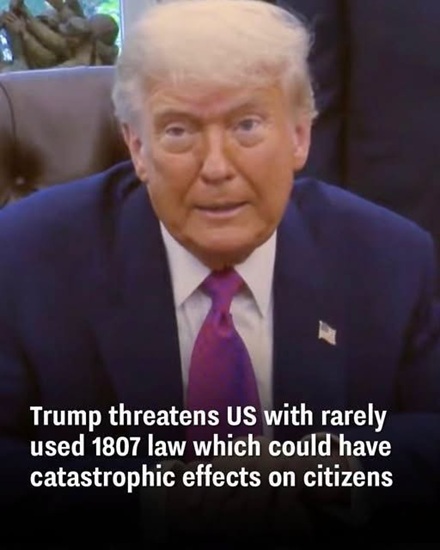
However, there are notable exceptions to this general rule, particularly under the Insurrection Act. Enacted in 1807, this law empowers the President to deploy military forces within the United States under specific circumstances, including instances of civil unrest or obstruction of federal law enforcement. Although rarely invoked, the Insurrection Act grants substantial discretion to the executive, raising important questions about the boundaries of presidential authority in times of crisis. This tension has fueled ongoing debates among constitutional scholars and policymakers regarding the appropriateness of military intervention in domestic affairs.
The Arguments For and Against Military Involvement
Supporters of expanded military authority argue that in extraordinary circumstances, such as widespread civil disorder or natural disasters, a federal response may be necessary to restore order and ensure public safety. They contend that local law enforcement agencies may become overwhelmed, making swift federal intervention a crucial tool for stabilizing chaotic situations. Proponents of this view highlight the importance of protecting national security and maintaining public order, suggesting that the military can play a vital role in ensuring these objectives are met. For example, during Hurricane Katrina in 2005, many believed that a quicker federal military response could have mitigated the chaos and suffering in New Orleans.
Conversely, critics of military involvement in civilian contexts assert that such actions pose a significant threat to democratic norms and the independence of local governance. They warn that deploying military forces in domestic settings blurs the lines between law enforcement and military engagement, potentially undermining civil liberties and eroding public trust in government institutions. This perspective draws attention to the potential dangers of normalizing military presence in everyday life, as seen during the protests following the George Floyd incident in 2020, where military personnel were deployed to quell civil unrest. Critics emphasize the need for accountability and restraint when considering the use of military power domestically, cautioning against the long-term implications of such actions on the fabric of American society.
Public Perception and Political Implications
The public’s reaction to the deployment of military personnel within civilian environments has mirrored the broader political and ideological divides in the country. Some citizens view federal intervention as a necessary step to maintain order during times of unrest, while others see it as an overreach of executive power that could erode constitutional protections. This dichotomy reflects a longstanding American struggle to find the right balance between ensuring public safety and safeguarding individual liberties. For instance, during recent protests, some community members welcomed the military’s presence as a deterrent to violence, while others viewed it as an infringement on their right to assemble peacefully.As the debate continues, it has become increasingly clear that the legal thresholds necessary for invoking emergency powers under federal law must be scrutinized. There are lingering questions regarding what constitutes sufficient justification for extraordinary executive actions in domestic contexts. The interpretations of these thresholds can vary significantly between administrations, highlighting the need for judicial oversight and congressional checks against potential abuses of power. Observers emphasize that maintaining public trust is essential for effective governance, especially in areas already marked by social or political tensions. The impact on community trust, particularly in diverse or marginalized communities, remains a vital concern as military personnel become involved in local law enforcement efforts.
The Future of Civil-Military Relations in the U.S.
The ongoing discourse surrounding military engagement in domestic affairs underscores the complex interplay between legal frameworks, political realities, and public sentiment. As discussions evolve, the balance between constitutional protections and emergency authority will remain a focal point of national concern. The historical evolution of civil-military relations in the United States illustrates the significance of approaching military involvement in civilian contexts with caution and vigilance. Each invocation of military authority in domestic settings carries with it the weight of past experiences and the lessons learned from them, shaping governance’s future.Ultimately, the question of how military involvement is managed within domestic borders remains unresolved and continues to spark intense debate. Legal experts, lawmakers, and the public are all closely monitoring developments as the implications of these discussions unfold. The outcome could significantly impact the relationship between military and civilian institutions in the United States, particularly concerning how power is exercised and the essential role of democratic accountability. As the nation grapples with these pressing issues, the interplay between security measures and civil rights will remain a central narrative in the fabric of American governance.
As we look to the future, it is essential to consider the lessons of history while recognizing the evolving nature of threats faced by the nation. The challenges posed by domestic terrorism, civil unrest, and natural disasters may necessitate a reevaluation of existing legal frameworks. The need for public dialogue and transparency in military deployments cannot be overstated, as these actions have long-term implications for civil liberties. Engaging various stakeholders, including community leaders, legal experts, and civil rights organizations, will be crucial in shaping policies that safeguard both security and democratic values.
In conclusion, the debate surrounding domestic military deployment will likely continue to evolve, shaped by societal changes, legal interpretations, and political dynamics. The balance between ensuring public safety and protecting civil liberties remains a defining challenge for American democracy. As this discourse unfolds, it is imperative for all citizens to stay informed and engaged, ensuring that the rights and freedoms fought for throughout history are preserved for future generations.