
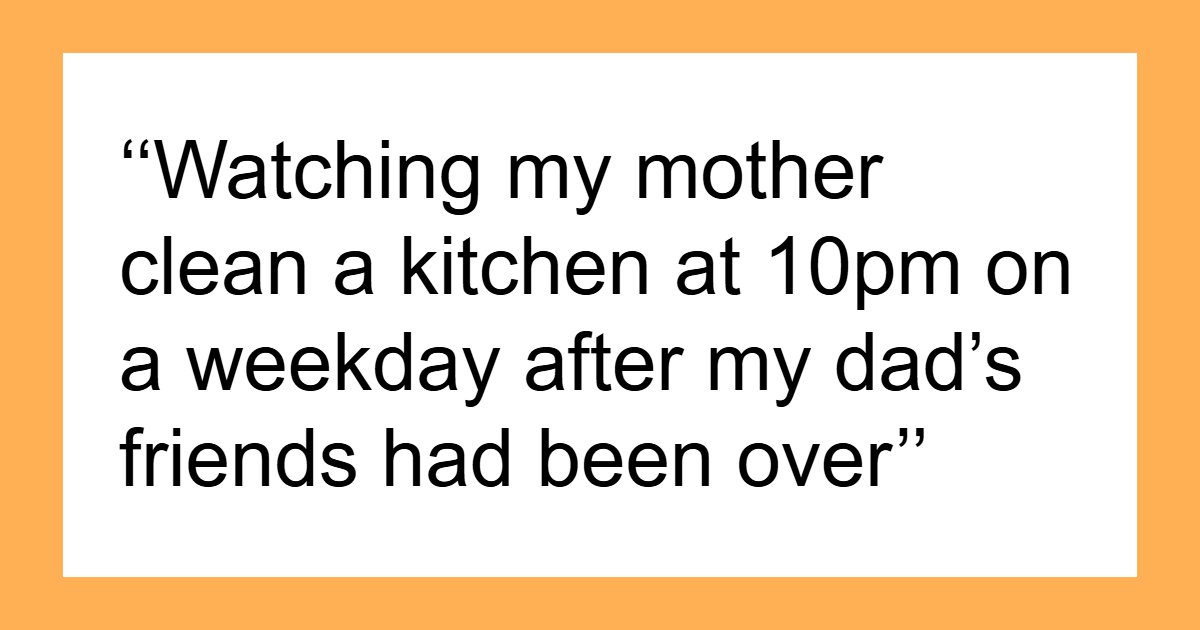
Understanding Toxic Masculinity: A Deep Dive
Toxic masculinity, a term that has gained significant traction in recent years, refers to cultural norms that define what it means to be a “real man” in ways that can be harmful not only to women but also to men themselves. This concept encompasses a range of attitudes and behaviors that promote aggression, emotional repression, and the devaluation of traits deemed “feminine.” Although discussions surrounding this issue have been prevalent for decades, it is only recently that society has begun to identify and label these behaviors, recognizing their detrimental impact on interpersonal relationships and mental health. The concept is often associated with online communities, commonly referred to as the “manosphere”, that promote a hyper-masculine ideology often described as the “red pill” mindset. This mindset, which can lead to misogyny and a devaluation of women’s experiences, is gaining critical attention as society strives to redefine masculinity.
The Evolution of Understanding
As society evolves, so too do the conversations around gender roles and identities. It is heartening to see that many men are beginning to shed their toxic beliefs and engage in dialogues that challenge traditional notions of masculinity. Numerous individuals have come forward, particularly through social media platforms, to share transformative experiences that have reshaped their understanding of what it means to be a man in today’s world. For example, platforms like Instagram and TikTok have become spaces for men to openly discuss their vulnerabilities and challenges, presenting a refreshing counter-narrative to the stoic masculinity often glorified in mainstream media. These narratives often serve as enlightening examples of personal growth and the journey towards healthier relationships with women and oneself.
Awakening Through Shared Experiences
For instance, a Reddit user shared their encounter with the r/askwomenover30 subreddit, where they were struck by the stories of women recounting their experiences of mistreatment by men. This individual candidly admitted to seeing reflections of his own past behavior in those narratives, leading to a pivotal moment of self-reflection. Such awakenings are not isolated; many men recount similar moments triggered by conversations with women about their experiences of harassment, or even by witnessing the societal structures that perpetuate these issues. One particularly moving instance involved a man attending a workshop focused on male allyship, where he listened to women share their stories of fear and discrimination. These realizations highlight an essential truth: recognizing the realities women face can lead to profound changes in attitudes and behaviors. The act of listening and validating these experiences is paramount in fostering understanding and empathy.
Confronting Misogyny in Everyday Life
Conversations about toxic masculinity often extend beyond theoretical discussions and touch upon everyday interactions. For instance, one man recounted how a seemingly innocuous conversation about women’s sports turned into a lesson on the subtle ways in which misogyny permeates our society. By challenging a coworker’s dismissive comments about a women’s hockey league championship, he not only stood up for women athletes but also fostered an opportunity for reflection and change in that coworker’s perspective. Such moments underscore the importance of speaking out and the transformative potential of dialogue in reshaping societal norms around masculinity. Additionally, engaging in discussions about consent and respect in relationships can demystify toxic stereotypes and promote healthier dynamics. These discussions can start in casual settings, such as during lunch breaks or social gatherings, where informal conversations can lead to significant shifts in mindset.

The Disconnect of Male Privilege
Moreover, the impact of male privilege can often blind men to the harsh realities faced by women. A poignant example is the observation that automobile safety features are primarily designed with male anatomy in mind, leading to lower safety standards for women. This realization has catalyzed conversations about the broader implications of a male-centric society, where women’s needs are sidelined. Men who become aware of these disparities often feel a sense of responsibility to advocate for change, understanding that the fight for equality is not just a women’s issue—it’s a human one. This awareness is crucial in dismantling the systemic advantages that men can often take for granted. For instance, discussions about workplace policies that favor male employees can lead men to reconsider their roles in advocating for more equitable practices, from parental leave to salary transparency.
Personal Transformation: A Journey of Unlearning
Many men express that their journey away from toxic masculinity has been fraught with challenges, often requiring profound self-reflection and unlearning of deeply ingrained beliefs. One individual described how his upbringing in an evangelical Christian environment, which emphasized control and hatred, shaped his early worldview. It was only through therapy and exposure to different perspectives—particularly from marginalized groups—that he began to dismantle these harmful ideologies. This underscores a vital point: healing from toxic masculinity is often a long-term commitment that requires intentional effort and a willingness to confront uncomfortable truths. Participating in support groups and engaging in educational programs about gender issues can provide vital tools for men on this journey. These resources can help men navigate their emotions and build resilience against the pressures to conform to outdated masculine ideals.

The Role of Community in Healing
Community plays an essential role in this transformative process. Engaging with women, listening to their experiences, and building supportive networks can foster healthier attitudes toward masculinity. Whether through friendships, romantic relationships, or even professional connections, positive interactions with women can challenge preconceived notions and promote empathy. A noteworthy initiative in many communities is the establishment of men’s groups focused on discussing masculinity and fostering vulnerability. These circles encourage open dialogue, helping men to express their feelings and learn from one another’s experiences. As men continue to seek understanding and connection, they pave the way for a culture that values respect, equality, and mutual support. By choosing to uplift rather than undermine, men can contribute to a society that embraces a more holistic and compassionate understanding of masculinity.
Conclusion: The Path Forward
Ultimately, the conversation about toxic masculinity is not merely about criticizing men; it is about redefining masculinity in a way that fosters growth and understanding. By challenging toxic behaviors and embracing vulnerability, men can cultivate healthier relationships with themselves and those around them. The journey towards dismantling toxic masculinity is ongoing, but with each story shared and each conversation had, we move closer to a society where masculinity is defined by strength, kindness, and respect for all. As we continue to advocate for change and challenge harmful norms, it is essential that men not only become allies in this movement but also recognize their own potential for transformation. By doing so, they can create a legacy of healthier masculinity that benefits everyone.
















