
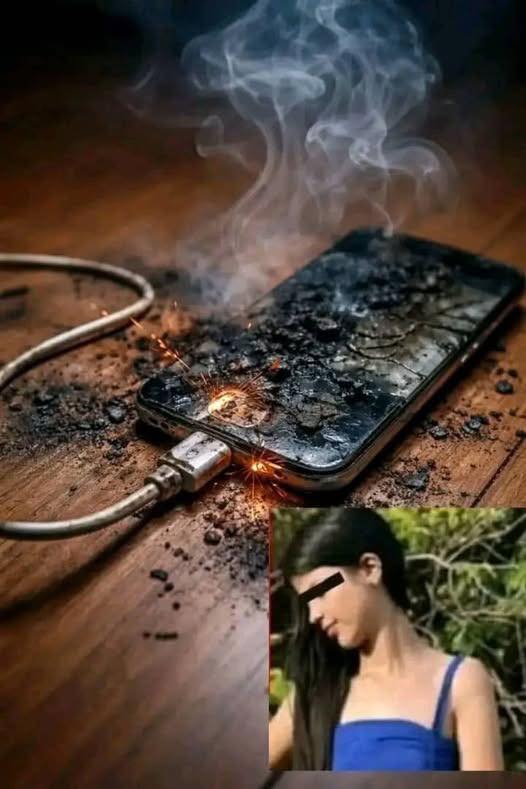
The Importance of Safe Charging Practices
In today’s tech-driven world, charging devices has become a routine task for many individuals. Whether it’s smartphones, laptops, or tablets, the convenience of keeping our devices powered is undeniable. However, beneath this modern ease lies the potential for significant risks associated with improper charging habits and defective equipment. Understanding these risks is crucial for ensuring the longevity of our devices and, more importantly, our safety.
Common Charging Hazards
Charging hazards often stem from several everyday mistakes that people may not even realize they are making. One of the most prevalent issues is the use of low-quality or damaged chargers. Many consumers opt for cheap third-party charging accessories without considering their safety certifications. These substandard chargers may not provide the necessary voltage regulation or overheating protection, which can lead to overheating or short circuits. For instance, a study conducted by consumer safety organizations found that over 30% of counterfeit chargers could fail safety tests, leading to potential fire hazards.
Another critical issue arises from overloading electrical outlets. In an age where multiple devices are commonplace, it’s tempting to use a single power strip to charge everything simultaneously. This practice can lead to dangerous situations, especially if the power strip is not designed to handle such loads. The risk of fire increases when combined with devices that may be using worn or uncertified chargers. For example, a family might plug in their laptop, smartphone, tablet, and a gaming console into one outlet, unknowingly pushing beyond the safe limit, which can lead to overheating and, in worst-case scenarios, electrical fires.
The Dangers of Poor Charging Habits
Charging devices on soft surfaces, such as beds or couches, can obstruct proper ventilation, resulting in overheating. When a charger overheats, it can become a fire hazard, which is why it’s essential to charge devices on hard, flat surfaces with sufficient airflow. For instance, a smartphone charger placed on a pillow might not only overheat but can also melt the fabric, creating a dangerous situation. Additionally, neglecting to check for frayed or damaged cables can lead to serious electrical hazards. A frayed cable can spark, leading to a short circuit or even an electrical fire that could have been easily avoided.
Leaving chargers plugged in when not in use is another common oversight. While it may seem convenient, it can lead to unnecessary energy consumption and potential overheating. It’s important to remember that chargers can still draw power even when not connected to a device. This idle power consumption contributes to energy waste and can be dangerous if the charger malfunctions. For example, a charger left plugged in for extended periods can become warm to the touch, indicating a potential safety concern that should be addressed immediately.
Recognizing Warning Signs
Being proactive about safety means knowing when to take action. Warning signs such as overheating chargers, loose connections, or burning smells should never be ignored. If a charger becomes excessively hot to the touch or if you notice any visible damage, it’s time to replace it. Additionally, if you experience frequent short circuits or tripped circuit breakers while charging, it’s critical to reassess your charging setup. For example, an individual who regularly notices flickering lights or blown fuses when charging multiple devices should consult an electrician to evaluate their electrical system.
Best Practices for Safe Charging
To ensure safe charging practices, it’s essential to use certified chargers that comply with safety standards. Always opt for chargers from reputable manufacturers and avoid knockoff brands that lack quality assurance. Regularly inspecting cables for wear and tear can help prevent accidents. If you notice any fraying or damage, it’s best to replace the charger immediately. Simple actions like these can drastically reduce the risk of accidents and prolong the life of your charging equipment.
Limiting the number of devices plugged into a single outlet or power strip is another vital safety measure. Instead, consider using multiple outlets or investing in a surge protector that can handle a higher load. This precaution will reduce the chances of overheating and electrical fires. Furthermore, ensuring that your charging station is located in a well-ventilated area will help maintain cooler temperatures during charging. For instance, creating a designated charging area away from flammable materials and with good airflow can help mitigate risks significantly.
Conclusion: Safety First
In conclusion, while charging devices is a daily necessity, it should never come at the expense of safety. By being aware of the potential risks and adopting best practices, individuals can significantly reduce the likelihood of electrical hazards. Remember, it’s always better to prioritize safety over convenience. Stay vigilant about the condition of your chargers and cables, and don’t hesitate to dispose of anything that appears unsafe. In the end, the best way to protect both your devices and your home is through informed and cautious charging habits.
Ultimately, the responsibility of safe charging practices lies in the hands of consumers. Awareness and education about the potential dangers can lead to better choices when it comes to charging devices. Workshops, community awareness programs, and information campaigns can play a vital role in disseminating knowledge about safe charging, thus empowering individuals to create safer environments in their homes. Adopting these practices not only ensures personal safety but also contributes to a broader culture of safety in our increasingly device-dependent world.
















