
- The Legacy of Harambe: A Reflection on Ethics, Conservation, and Human Responsibility
Almost a decade has passed since the tragic death of Harambe, a western lowland gorilla at the Cincinnati Zoo, yet the emotional resonance of his story continues to reverberate through society. The incident that unfolded on May 28, 2016, is not merely a moment frozen in time or a viral sensation; it has become a significant touchstone for critical discussions regarding ethics, animal behavior, and the complexities of human intervention in wildlife conservation. As we delve deeper into the multifaceted implications of Harambe’s fate, it becomes evident that his legacy is rich with lessons and questions about how we coexist with the natural world.
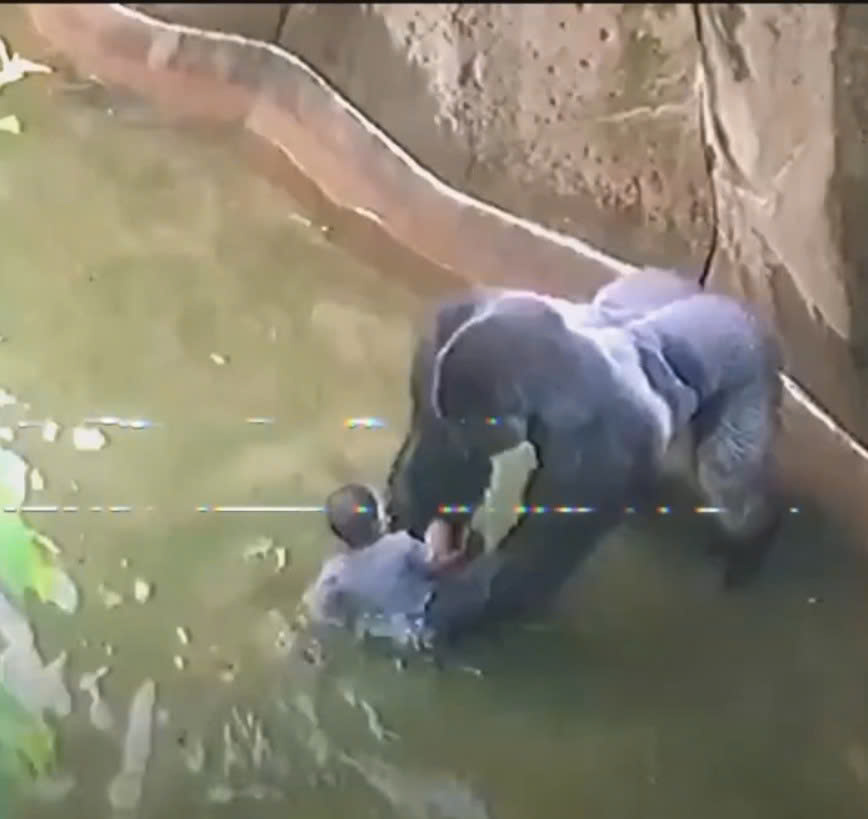
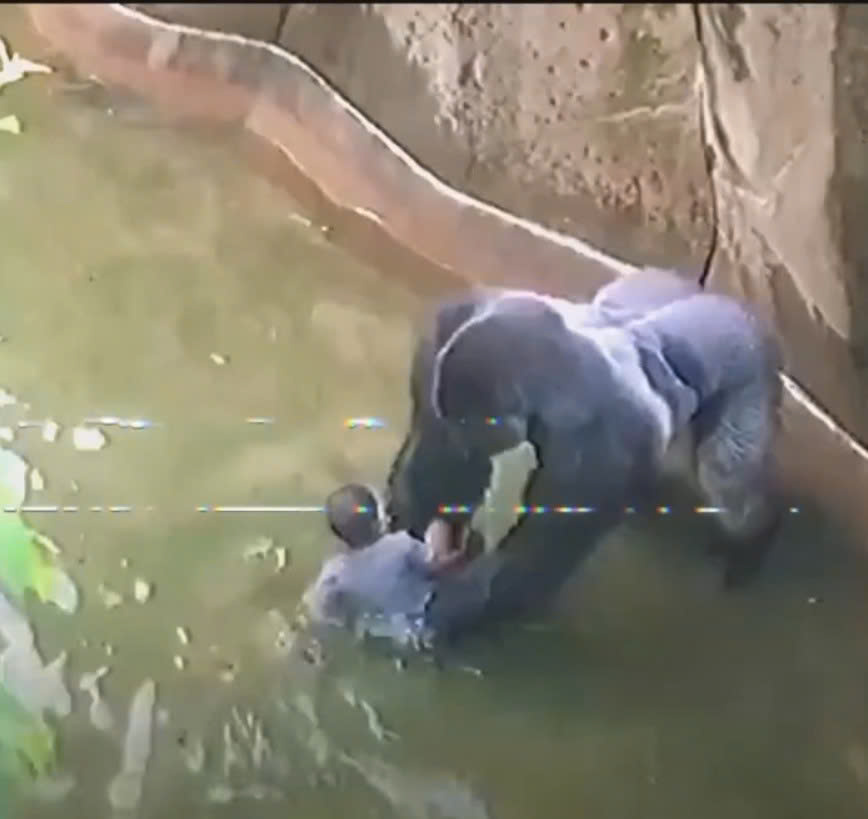
On that fateful day, a three-year-old boy fell into Harambe’s enclosure, creating a scene filled with immediate tension and uncertainty. The boy landed just a few feet away from Harambe, who, at 17 years old and weighing 440 pounds, was both a majestic creature and a potential source of concern. Eyewitness accounts captured the panic of the crowd, filled with gasps and screams as zoo staff scrambled to respond. The split-second decision made by the zoo authorities—to fatally shoot Harambe— ignited a global outcry, raising pivotal questions about the balance between human safety and the intrinsic value of animal life. Was this a necessary action to protect the child, or was it a hasty move that disregarded the complexities of animal behavior?
The official narrative from the Cincinnati Zoo claimed that Harambe was dragging the child in a manner that posed an imminent threat. However, those who later viewed the footage of the incident saw a spectrum of behaviors—ranging from aggression to what seemed like protective curiosity. Some experts argued that Harambe was behaving instinctively, suggesting that his actions were informed by his social intelligence as a gorilla. They noted that his behavior was not overtly violent, and he seemed to be assessing the situation rather than acting out of malice. In contrast, others warned that the sheer strength of a gorilla could lead to catastrophic outcomes with just one miscalculated movement. This division among behaviorists exemplifies the broader complexities of understanding animal instincts and motivations.
Zoo officials emphasized the urgency of the situation, stating that tranquilizers were not a viable option due to the time it would take for the sedative to take effect. In life-or-death scenarios, decisions must often be made in seconds, leaving little room for conjecture or second-guessing. Zoo director Thane Maynard’s words following the tragedy resonated with many, as he described the event as both heart-wrenching and necessary. “It was a tragedy,” he stated, “but the child’s safety had to come first.” This declaration has fueled ongoing debates regarding the ethical implications of such decisions—how can we justify the loss of one life to potentially save another?
The aftermath of Harambe’s death sparked a significant cultural and ethical reckoning. Social media platforms became battlegrounds for opinions, with hashtags like “Justice for Harambe” flooding timelines, intertwining genuine grief with the internet’s penchant for humor and commentary. The conversation rapidly evolved beyond the immediate event, as animal rights advocates used Harambe’s story to spotlight the broader issues of captivity and animal rights. They argued that no amount of safety protocols could ever render captivity humane, particularly for beings as emotionally complex as gorillas. Advocates underscored the emotional capacities of these animals, often drawing parallels between their experiences and human emotions such as grief and stress.
In response, supporters of zoos articulated their position, emphasizing that modern zoos play critical roles in conservation and education. They pointed to successful breeding programs that have prevented the extinction of several species, arguing that zoos have transformed from mere entertainment venues into significant contributors to biodiversity preservation. The defenders of zoos maintained that millions leave these facilities inspired to support conservation efforts, creating a vital connection between humans and the natural world. Nevertheless, Harambe’s story has forced even those who champion zoos to grapple with the ethical dilemmas inherent in their operations. How do we determine the acceptable risk to human life in relation to the dignity of animal existence?
As discussions continue and the years pass, the impact of Harambe’s story remains palpable. The Cincinnati Zoo has made substantial changes to its Gorilla World exhibit, enhancing safety measures and revising policies to prevent similar incidents. The staff at the zoo frequently express their sorrow over Harambe’s loss, emphasizing that those who knew him experienced genuine affection for him. As one zookeeper poignantly noted, “We lost a member of our family that day,” highlighting the profound connections that form between caretakers and the animals they tend to.
Ultimately, Harambe’s story transcends a singular event; it embodies a moral question about our relationship with the animal kingdom. The world continues to reflect on what his legacy represents—whether it symbolizes a failure to protect both animals and humans or serves as a cautionary tale of misunderstanding. Nearly ten years later, Harambe’s passing serves as a somber reminder of the responsibilities we hold towards wildlife. It challenges us to reevaluate how we engage with the creatures that share our planet, urging a deeper understanding of their needs and rights. Harambe’s name lives on as a powerful symbol of the delicate balance between human life and animal welfare, pushing us to strive for a future where compassion guides our actions.
















