
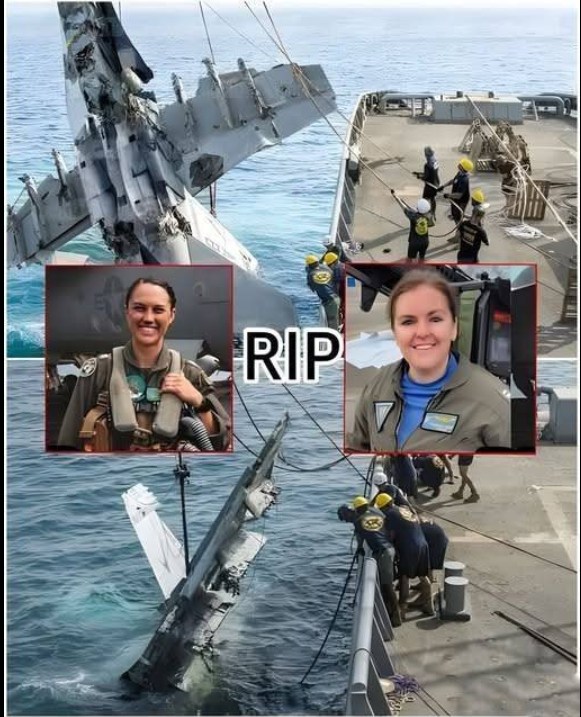
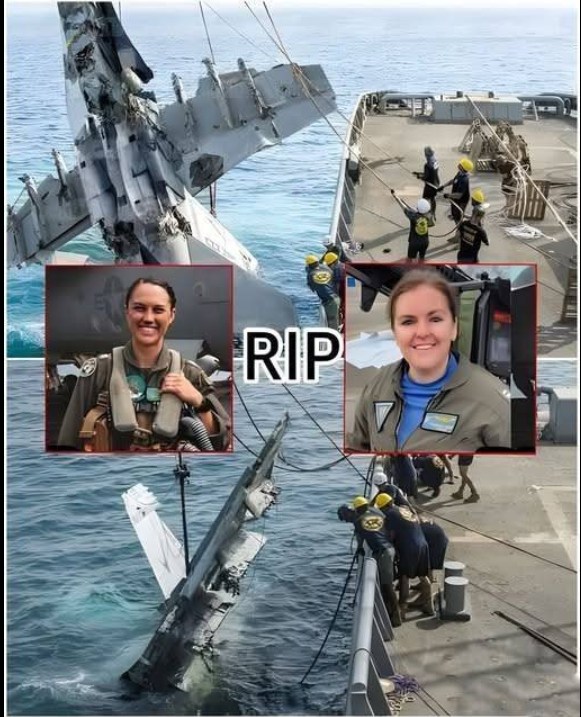
Remembering the Fallen Aviators: A Tribute to Lt. Cmdr. Caitlin Evans and Lt. Serena Wileman
The naval aviation community, along with the people of California, is engulfed in profound sorrow following the tragic loss of two remarkable aviators in a devastating fighter jet accident. This incident has not only left a significant void in their respective squadrons but has reverberated throughout the entire Navy, reminding us of the inherent risks that accompany military aviation. Among those lost was Lt. Cmdr. Caitlin “Katie” Evans, a groundbreaking pilot whose achievements resonated widely, particularly when she participated in the historic all-female flyover at Super Bowl LVII in 2023. This monumental event celebrated fifty years of women in naval aviation, serving as a poignant reminder of the barriers that have been dismantled over the decades. Evans was more than a skilled pilot; she was a symbol of progress, showcasing the capabilities and contributions of women in a domain that has traditionally been male-dominated.
Lt. Cmdr. Evans was renowned throughout the Navy for her exceptional piloting skills and her unwavering leadership abilities. Her peers and superiors alike held her in high regard, particularly for her commitment to mentoring the next generation of aviators. For many young women aspiring to break into this challenging field, Evans stood as a beacon of hope and inspiration. She exemplified the notion that with courage, persistence, and hard work, one could indeed change the narrative surrounding women in aviation. Tragically, her life was cut short, but her legacy as a pioneer and role model will undoubtedly continue to inspire others long after her passing.
Alongside Evans was Lt. Serena N. Wileman, another talented aviator whose career, though brief, was marked by a fierce dedication to excellence and service. Commissioned in 2018, Wileman quickly distinguished herself with her discipline, intelligence, and relentless pursuit of operational mastery. By 2021, she had joined the Electronic Attack Squadron 130, affectionately known as the “Zappers,” and quickly became an indispensable member of the team. Within her squadron, Wileman’s contributions to complex missions were invaluable, demonstrating her ability to undertake demanding operations with remarkable precision and focus. Her fellow aviators admired not only her professional acumen but also her warmth and camaraderie, which made her a beloved friend and trusted officer.
Theirs was a camaraderie founded on mutual respect and shared experiences. Both Evans and Wileman had recently returned from a challenging deployment in the Middle East, where they executed critical missions over Yemen and supported vital operations in the Red Sea. These deployments were not just routine flights; they were essential tasks that safeguarded U.S. interests and supported allies in exceptionally unstable regions. The high-pressure environment demanded not only technical skill but also emotional resilience, as they faced the potential for conflict and uncertainty daily. Such experiences solidified their bond as aviators and as friends, each relying on the other to navigate the complexities of their demanding roles. Facing a myriad of risks, both women exemplified the bravery and dedication required of those who protect national security from the skies. Their ability to navigate the complexities of military aviation speaks volumes about their skill and determination.
Colleagues describe Evans as a leader who exuded both authority and compassion. She embraced her role not merely as a pilot but as a mentor, guiding younger aviators and consistently leading by example. Her involvement in the all-female flyover was emblematic of her desire to pave the way for future generations of women in naval aviation. It was a personal achievement that transcended individual accolades, symbolizing a collective journey toward equality in the skies. Similarly, Wileman showcased an immense drive for excellence in her role. She fully engaged with the technical and tactical complexities of her squadron’s missions, always striving to exceed the Navy’s high standards. Many believed she was destined for significant leadership roles in the future. Wileman’s ability to foster teamwork and collaboration within her squadron not only enhanced mission performance but also created a supportive environment where fellow aviators could thrive.
The tragic accident that took the lives of these two extraordinary women serves as a stark reminder of the inherent dangers present in military aviation. Each flight undertaken by a naval aviator involves not only the rigorous demands of skill and precision but also an acceptance of the risks involved. Evans and Wileman understood this reality and embraced it out of a profound sense of duty to their country. Their passing is an immeasurable loss for their families, communities, and the Navy at large. Yet, the legacy they leave behind is one of inspiration and sacrifice, emblematic of the spirit of naval aviation. The Navy community, in mourning, is united in its dedication to honoring their memory through continued commitment to excellence and service.
For Evans, her legacy will always be that of a trailblazer—a woman who broke barriers and forever altered perceptions of what is possible in aviation. Her achievements, including the iconic Super Bowl LVII performance, stand as a testament to her talent and tenacity. For Wileman, her legacy, though shorter, is defined by her unwavering dedication and the lasting impact she made during her time in service. The friendships she forged and the missions she accomplished will echo in the hearts of those who knew her. Their stories collectively illustrate the courage, resilience, and spirit that characterize the naval aviation community. As the Navy pays tribute to their memory, it is essential to remember that their names will endure not merely as a reminder of the tragedy of their passing but as a celebration of how they lived their lives—with integrity, excellence, and an unwavering commitment to something greater than themselves.
Both Evans and Wileman inspired their colleagues and future aviators to soar above the challenges they faced in their careers. Their dedication to service and duty not only shaped their own paths but also paved the way for countless others, embedding a spirit of resilience within the Navy’s culture. As we reflect on their lives, we are reminded that true heroes are not just defined by their achievements but by the lives they touched and the legacies they leave behind. Their inspiring legacies will undoubtedly motivate future aviators to courageously take to the skies, carrying forward the torch of bravery and determination. In honoring them, we reaffirm our commitment to the values they represented—integrity, courage, and a relentless pursuit of excellence—values that are the bedrock of military service.
















