
The Vital Role of Purple Flags in Beach Safety
For many, the beach epitomizes relaxation and leisure. With the soothing sound of waves crashing onto the shore, the sun’s warm embrace, and the expansive views that stretch to the horizon, it’s not surprising that millions flock to sandy coastlines every year. A day at the beach is often a cherished family tradition, filled with swimming, games, and outdoor fun.
However, beaches are dynamic environments; they harbor not just beauty but also potential dangers that can change from day to day. Understanding these risks is crucial for ensuring a safe and enjoyable experience. Among these safety measures are the warning flags displayed by lifeguards, particularly the often-misunderstood purple flag.
What Does a Purple Flag Indicate?
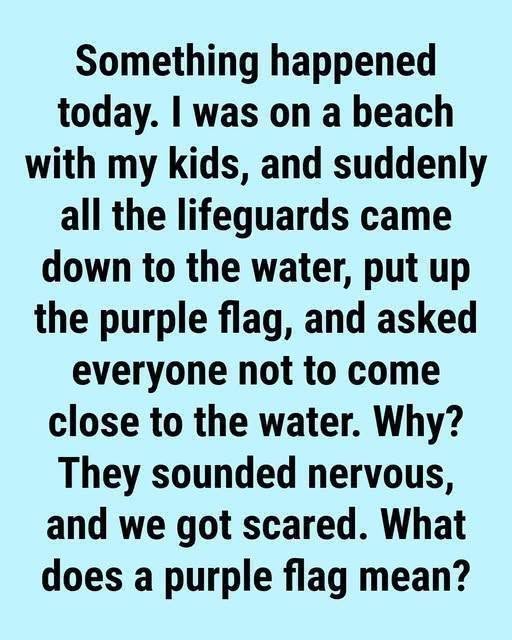
The purple flag is a significant alert for beachgoers, indicating the presence of potentially hazardous marine life in the vicinity. Unlike the more commonly recognized red and yellow flags, which signify rough waters and swimming risks, the purple flag serves a very specific warning: it signals that dangerous marine organisms have been spotted nearby.
While it does not automatically mean that swimming is prohibited, it does urge visitors to exercise caution.
Marine Life to Watch Out For
When a purple flag is raised, visitors should be aware of several types of marine life that might be present. Common culprits include:
- Jellyfish: Known for their beautiful but treacherous nature, jellyfish can deliver painful stings that vary in severity depending on the species. Species like the Box Jellyfish, for instance, are known to cause serious harm, while others may only cause mild irritation.
- Portuguese man o’ war: Often mistaken for jellyfish, this creature has long tentacles that can inflict painful stings even after it has washed ashore. Its venom can cause severe pain and, in rare cases, allergic reactions that require medical attention.
- Stingrays: These creatures prefer sandy bottoms and are typically non-aggressive, but stepping on one can provoke a defensive sting. It’s essential for swimmers to be aware of their presence, particularly in shallow waters.
- Sea lice: These tiny larvae can cause skin irritations and are often a nuisance for unsuspecting swimmers. They can result in rashes that may take time to heal, making awareness essential.
Understanding the nature of these creatures and the risks they pose is essential for beach visitors. The purple flag serves as a reminder to respect marine life and be aware of their presence, fostering an environment where precaution is prioritized over fear. The visibility of these flags is part of a broader safety strategy, aimed at creating a safer beach experience for everyone.
Why Awareness Matters More Than Fear
A common misconception about beach warning flags, particularly the purple flag, is that they incite panic. In reality, these flags are educational tools meant to promote awareness rather than create anxiety. Just as drivers heed road signs for their safety, beachgoers are encouraged to recognize and respect the signals indicating changing ocean conditions. Awareness allows for informed decisions, empowering visitors to take necessary precautions while enjoying the ocean.The Ocean’s Ever-Changing Nature
The unpredictability of the ocean is another factor that emphasizes the importance of beach safety systems like warning flags. Factors such as currents, tides, and wind patterns can significantly alter marine life activity from one day to the next. A beach that seemed free of jellyfish in the morning could see increased activity by afternoon. This dynamic environment necessitates constant monitoring by lifeguards, who play a crucial role in keeping beachgoers informed about potential hazards.Practical Safety Measures for Beach Visitors
Seeing a purple flag does not mean that a trip to the beach should be cut short; instead, it invites visitors to take extra precautions. Simple yet effective safety measures include:- Stay Alert: Pay attention to your surroundings and watch for any posted advisories. Being aware of current conditions can help prevent unfortunate encounters with marine life.
- Follow Lifeguard Instructions: Lifeguards are trained to keep beachgoers safe; heed their guidance. They often have the latest information about marine life and can provide assistance in case of an emergency.
- Supervise Children: Ensure that young swimmers are closely monitored, especially when marine warnings are present. Children can inadvertently provoke marine creatures or wander into unsafe areas.
- Use Appropriate Footwear: Wearing shoes can help prevent injuries from stingrays or sharp objects on the sand. Many beachgoers overlook this simple precaution but it can significantly reduce risk.
- Practice the Stingray Shuffle: When wading in shallow waters, shuffle your feet to alert stingrays of your presence, allowing them to swim away. This technique is simple but effective in preventing stingray encounters.
By implementing these precautions, visitors can responsibly enjoy everything the beach has to offer while minimizing risks from potentially hazardous marine life. Such measures not only enhance personal safety but also contribute to a more enjoyable environment for all beachgoers.
















