
The Enduring Legacy of *Blue Hawaii*
When *Blue Hawaii* graced the silver screens in 1961, it marked a significant moment in cinematic history, particularly in the realm of musical comedies. At that time, Elvis Presley had already ascended to the heights of fame, becoming not only a cultural icon but also a household name. The film showcased his unique blend of charisma, effortless charm, and of course, his captivating musical talents.
While critics often debated the artistic merits of this film within the broader context of his cinematic oeuvre, the audience reception was overwhelmingly positive. This resonance with viewers solidified *Blue Hawaii* as one of the most commercially successful ventures in Presley’s illustrious Hollywood career.
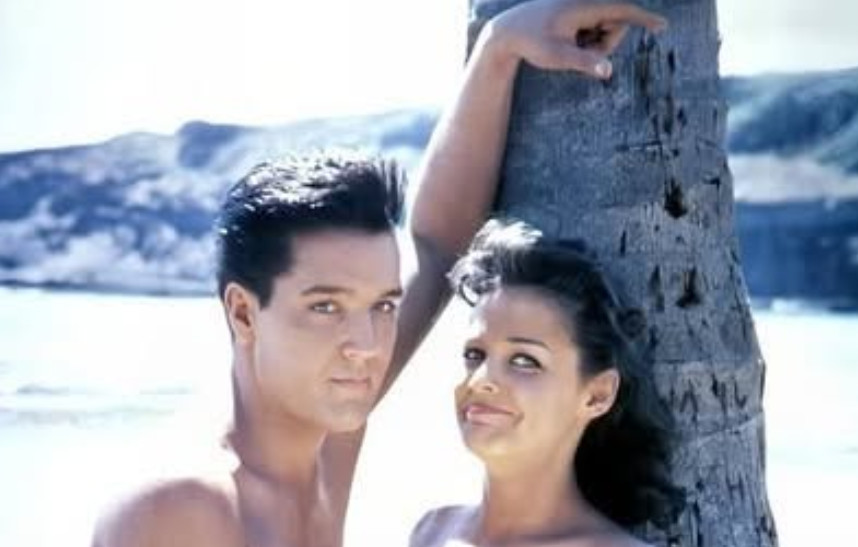
Set against the breathtaking vistas of Hawaii, *Blue Hawaii* successfully interwove elements of music, romance, and comedy, creating a cinematic experience that appealed to a wide range of viewers. Elvis portrayed the character of Chad Gates, a young man returning home after fulfilling his military obligations.
The storyline revolves around Chad’s interactions with his family and friends, as well as his romantic pursuits, particularly his relationship with the character Maile Duval, played by Joan Blackman. Despite not being a professional musician in the narrative, his character was seamlessly integrated into musical numbers that punctuated the film.
This approach not only enhanced the film’s entertainment value but also contributed significantly to the success of its accompanying soundtrack, which featured memorable songs that audiences continue to cherish to this day.
Musical Impact: “Can’t Help Falling in Love”
Among the standout tracks in the movie’s soundtrack, one song in particular has transcended time: “Can’t Help Falling in Love.” This timeless ballad has become synonymous with Elvis Presley, capturing the essence of his musical genius.
The song was originally written for the film *Blue Hawaii*, but its haunting melody and heartfelt lyrics have earned it a special place in the hearts of listeners worldwide, even reaching those who may never have seen the film itself. Released as a single in 1961, it climbed to the top of the charts, further solidifying Presley’s influence as a leading figure in popular music.
The enduring popularity of this song significantly bolstered the film’s cultural impact and reinforced Elvis’s status as a formidable force in both the music and film industries. The soundtrack not only contributed to the film’s commercial success but also helped cement Elvis’s legacy as an artist whose influence continues to be felt decades later.
Behind the Scenes: Challenges and Charm
Despite its success, the production of *Blue Hawaii* was not without its challenges. Behind the scenes, there were various changes in the cast and complications that arose during filming. For example, the original choice for the role of Maile Duval was different, but due to scheduling conflicts, Joan Blackman was ultimately cast. Additionally, there were reports of a tight shooting schedule that created a tense atmosphere on set. However, these factors did little to detract from the final product. In fact, some fans have come to appreciate the quirks and inconsistencies that pepper the film. Observant viewers have noted minor continuity errors, such as changes in props and seating arrangements, which have added to the film’s charm and whimsy. These moments of imperfection have become talking points among long-time fans, who often revel in their discovery of these delightful details. Furthermore, the on-location shooting in Hawaii provided an authentic backdrop that not only enhanced the film’s aesthetic appeal but also contributed to its vibrant atmosphere.The Allure of Hawaii
Hawaii itself plays a pivotal role in *Blue Hawaii*, serving not just as a backdrop but as a character in its own right. The film features stunning landscapes and picturesque locations such as Diamond Head, Hanauma Bay, and the lush greenery of Oahu, highlighting the islands’ natural beauty. The filmmakers took advantage of Hawaii’s unique geography to create breathtaking sequences that would captivate audiences. For many viewers, Hawaii became a symbol of paradise, forever linked to the joyous themes presented in the film. The decision to shoot on location not only enhanced the film’s aesthetic appeal but also contributed to the long-standing fascination with Hawaii, drawing tourists to the iconic sites featured in the movie. Elvis’s connection to the islands—both personally and professionally—added depth to the film, making it resonate more profoundly with audiences. Indeed, the film inspired many to visit Hawaii, leading to a surge in tourism that helped bolster the local economy in the years following the film’s release.A Lasting Cultural Phenomenon
As we reflect on *Blue Hawaii* more than six decades after its release, it is evident that the film holds a special place in both the history of cinema and within the hearts of its fans. Its blend of music, romance, and comedy, coupled with the breathtaking Hawaiian landscape, created a timeless classic that continues to entertain audiences. The film’s influence is seen not only in Elvis’s subsequent works but also in the broader genre of musical films that followed. Movies like *Aloha, Bobby and Rose* and *Forgetting Sarah Marshall* have drawn inspiration from the charm and aesthetic of *Blue Hawaii*, showcasing how its elements have permeated contemporary cinema. *Blue Hawaii* is not merely a film; it is a cultural artifact that encapsulates a moment in time when Elvis Presley was at the pinnacle of his career and when cinema could transport viewers to idyllic settings through the magic of storytelling.In essence, *Blue Hawaii* remains a beloved piece of entertainment history, reflecting not only the talents of Elvis Presley but also the enduring appeal of musical films. As new generations discover the film, its charm and nostalgia continue to delight, ensuring that the legacy of Elvis Presley as both a musical and cinematic icon will never fade.
The film’s impact is not just confined to its initial release; it has become a fixture in popular culture, often referenced in various forms of media and celebrated in Elvis tribute shows around the world. The enduring love for *Blue Hawaii* serves as a testament to the power of cinema to evoke emotions and create lasting connections, ensuring that this classic will continue to enchant audiences for years to come.
















