The Fascinating World of Visual Perception and Personality Tests
Have you ever taken a moment to reflect on the recurring themes in your life, the challenges in your relationships, or the subtle traits that seem to guide your decisions?
The human mind is an intricate tapestry of memories, emotions, and unconscious patterns, and recent trends in psychological tests suggest that we can unveil some of these complexities through simple visual exercises.
Among these, the “first animal you see” test has gained immense popularity, raising questions about how our instinctive choices can reveal deeper aspects of our personality.
Understanding the Visual Test Phenomenon
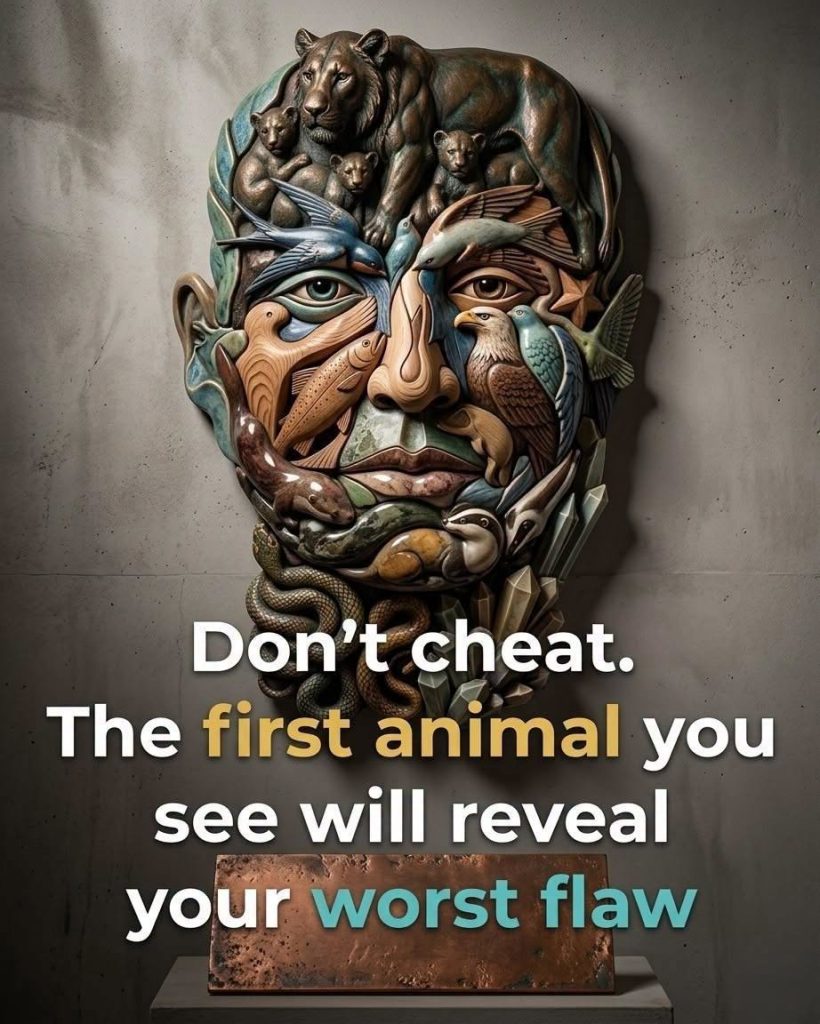
The premise of the “first animal you see” test is deceptively simple. Participants are shown a detailed and often chaotic image filled with various animals and asked to identify the first one that catches their eye.
This seemingly innocuous task is believed to tap into the subconscious, allowing individuals to identify hidden traits or emotional states. Advocates of this approach argue that the initial instinctive choice can provide insights into our personality, essentially acting as a mirror reflecting our inner selves.
For example, if a person immediately spots a lion, it might be interpreted as a sign of strength and confidence, while someone who sees a dolphin could be viewed as playful and social.
Psychological Underpinnings: The Barnum Effect
One of the key reasons behind the popularity of these tests is the Barnum Effect, a psychological phenomenon in which individuals find personal meaning in vague or general statements. This effect is named after the famous showman P.T.
Barnum, who famously said, “There’s a sucker born every minute.” When presented with results from these visual tests, many people feel that the interpretations resonate with their own experiences, even if the descriptions could apply to a broad audience.
For instance, if the interpretation suggests that a person is adaptable and enjoys challenges, many might relate to this claim simply because it sounds universally appealing. The allure lies in the sense of connection and self-discovery, even if the scientific validity of these claims is questionable.
Symbolism and Interpretation
While the interpretations of the animals seen in these tests are not scientifically validated, they often draw upon rich symbolic associations rooted in cultural contexts.
For instance, spotting a lion may be interpreted as an indication of pride or a dominant personality, whereas a rabbit might suggest sensitivity or a tendency towards anxiety. Similarly, a bird could symbolize a desire for independence, while a snake might reflect a sense of mistrust or caution.
An elephant, often associated with memory and emotional connection, suggests a deep attachment to the past. The symbolism behind these animals can be influenced by various factors, including cultural narratives and personal experiences, which makes the interpretations both fascinating and subjective.
While these interpretations offer intriguing insights, they should be approached with caution, as they are largely based on cultural symbolism rather than empirical data.
The Role of Self-Reflection
Despite the lack of scientific rigor behind these tests, they can serve a valuable purpose in prompting self-reflection. Engaging with these visual exercises encourages individuals to contemplate their behaviors, emotions, and reactions in a more thoughtful manner.
For example, after identifying an animal, one might ask themselves why that particular creature resonated with them at that moment. This self-inquiry can lead to deeper conversations about personal values, aspirations, and fears.
Rather than providing definitive answers, these tests can act as conversation starters—facilitating discussions about personal experiences and fostering a deeper understanding of one’s self. The insights garnered from these tests may lead to greater self-awareness, helping individuals navigate their emotional landscapes more effectively.
In group settings, such as workshops or therapy sessions, these tests can ignite discussions and promote shared understanding among participants.
Perception and Individual Differences
One of the most compelling aspects of these visual tests is the demonstration of how differently individuals perceive the same image. The variations in choices highlight the unique lenses through which we view the world, shaped by our backgrounds, experiences, and emotional states.
For example, two friends looking at the same image may see entirely different animals based on their personal biases and life experiences. This individuality in perception underlines the complexity of human psychology and reminds us of the myriad factors that influence our thoughts and actions.
Understanding that others may see different meanings in the same image can foster empathy and appreciation for diverse perspectives. In a world where communication can often lead to misunderstandings, recognizing that perception can vary widely is a step toward greater compassion and relational harmony.
Conclusion: The Value of Perspective
In conclusion, while the viral “first animal you see” tests may not hold scientific weight, their appeal lies in their ability to engage us in self-exploration. They serve as reminders that self-understanding often comes not from quick answers but from thoughtful reflection on our instincts and choices.
These tests may provide entertainment, but they also open a dialogue about the intricate connections between perception, personality, and the subconscious mind. Ultimately, embracing the complexity of our psychological landscape can lead to richer and more meaningful experiences in our lives.
Engaging with these tests encourages us to look beyond the surface, prompting a deeper inquiry into who we are and how we relate to others, fostering both personal growth and interpersonal connections.