
Incident at Charlotte Douglas International Airport: A Lesson in Aviation Safety
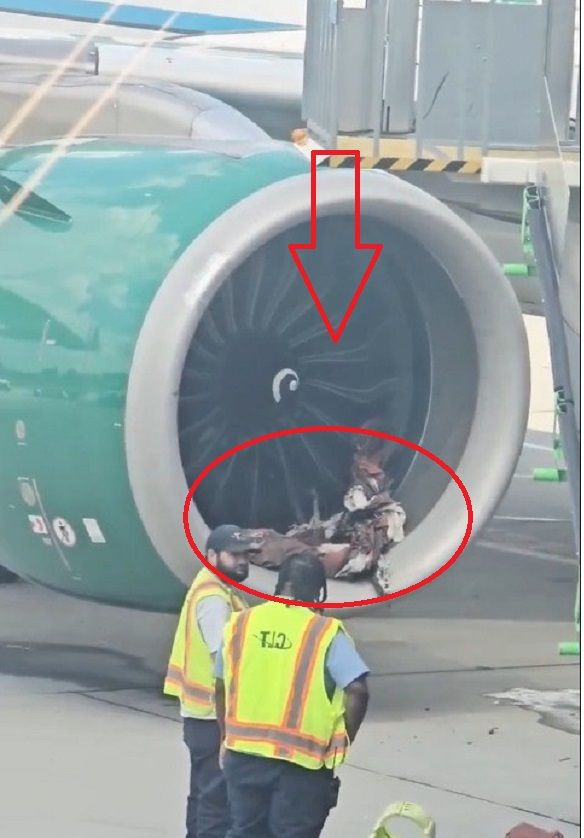
On August 16, 2025, an unusual series of events unfolded at Charlotte Douglas International Airport, turning an otherwise mundane day into a significant incident that ignited discussions about aviation safety protocols and the responsibilities surrounding ground operations. During routine preparations for Frontier Airlines flight F93134, an Airbus A320-251N, registered as N365FR, encountered a critical issue when a ground support air-conditioning hose was ingested by one of its engines.
This unexpected occurrence resulted in a near nine-hour delay for passengers, raising vital questions about the safety measures in place for aircraft during ground handling.
The flight was set to travel from Charlotte to LaGuardia Airport in New York. After arriving safely from Philadelphia, passengers disembarked, and ground crews began their pre-departure routine. An essential part of this process involves connecting an external air-conditioning hose to ensure a comfortable cabin environment before takeoff. These hoses are routinely used by airlines to maintain cabin temperature without relying solely on onboard systems.
However, in a perplexing turn of events, the high suction force of the Airbus’s CFMI LEAP-1A26 engine pulled the hose into the engine’s intake, leading to its rapid destruction and raising alarms regarding potential internal engine damage.
In the immediate aftermath, ground crew members acted swiftly to mitigate potential dangers. All operations around the aircraft were halted as inspections commenced. This precautionary measure was crucial in preventing what could have escalated into a more severe situation.
The decision to ground the aircraft effectively safeguarded passenger safety, but it also meant that the plane would be out of commission for an indefinite period, significantly disrupting travel plans for those scheduled to fly. Passengers, initially excited about their trip, found themselves stranded at the airport for nearly nine hours as Frontier worked diligently to find a replacement aircraft and reassign crew members.
Throughout the ordeal, travelers expressed understandable frustration as their plans unraveled. However, representatives from the airline continually emphasized that safety is paramount and that boarding a plane with potential engine damage is never an acceptable risk. Eventually, a substitute aircraft was arranged, allowing the passengers to continue their journey to LaGuardia, albeit much later than planned.
This incident served as a poignant reminder of the unpredictable nature of air travel and the essential role of safety protocols in ensuring passenger well-being.
From a technical perspective, the ingestion of the air-conditioning hose raised significant concerns among aviation experts. Aircraft engines are costly and incredibly sensitive to foreign objects, regardless of their nature. Even minor damages, such as those inflicted by a shredded hose, can lead to expensive repairs, extensive inspections, and possible replacements.
This incident highlighted the vital importance of adhering to stringent ground safety protocols, especially given the high suction forces exerted by advanced engines like the LEAP-1A26, which are designed for efficiency but also pose unique challenges during ground operations. Such incidents underline the need for comprehensive training focused on familiarizing ground staff with the potential hazards associated with modern aircraft.
Moreover, the event underscored the significance of ramp safety in airport operations. Airport ramps are dynamic environments where numerous activities—refueling, baggage handling, catering, and safety checks—occur simultaneously. Each task requires meticulous coordination and diligence from ground crew members, as even commonplace equipment like air-conditioning hoses can become hazardous if not properly managed.
The incident at Charlotte Douglas International Airport reiterated that aviation safety depends not only on advanced technology but also on the dedication and discipline of every individual involved in ground operations. Training programs should be continually updated to reflect the latest safety protocols and best practices, ensuring that all personnel are well-prepared for potential emergencies.
In compliance with regulations set forth by the Federal Aviation Administration (FAA), Frontier Airlines displayed its commitment to safety by grounding the aircraft immediately following the incident. While the nine-hour delay was undoubtedly frustrating for passengers, it allowed for a thorough inspection that ultimately prevented a more serious situation.
This incident serves as an essential case study for the aviation industry, emphasizing the need for constant vigilance regarding foreign object damage—one of the most prevalent risks encountered during ground operations. For passengers, this experience highlighted that while delays can be an inconvenience, they are sometimes necessary for ensuring their safety and well-being.
Additionally, it stands as a testament to the proactive measures airlines must take to prioritize passenger safety over operational expediency.
In conclusion, the August 16 incident at Charlotte Douglas International Airport showcased how air travel—widely recognized as one of the safest modes of transport—can still encounter unexpected challenges. The swift and effective response by Frontier Airlines not only contained the situation but also ensured the safety of all passengers involved. In the world of aviation, the guiding principle remains clear: safety must always take precedence over scheduling and convenience.
The aviation industry must continue to reaffirm its commitment to protecting passengers and maintaining high standards of operational integrity. As air travel continues to evolve, the lessons learned from incidents like this will be invaluable in shaping a safer future for all who take to the skies.
















