

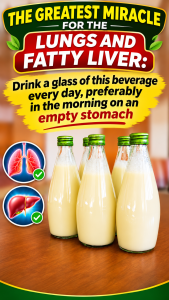
In today’s article, we bring you an interesting traditional drink that has been enjoyed for generations and is now gaining renewed attention among people interested in natural nutrition. Goat whey may look like an ordinary pale-yellow liquid, but it contains valuable nutrients that can contribute to a balanced diet.
This simple byproduct of cheesemaking has long been used in rural households, where wasting nutritious food was uncommon. Today, many people are rediscovering goat whey because of its protein content, minerals, and versatility in the kitchen. Although it is sometimes described as a miracle drink for fatty liver and lung health, there is no convincing scientific evidence that goat whey can cleanse the lungs or cure liver disease. Nevertheless, it can be a nutritious addition to everyday meals when consumed appropriately.
What Is Goat Whey?
Goat whey is the liquid that remains after goat’s milk separates into curds and whey during cheese production.
When the solid curds are removed, the remaining liquid contains water, lactose, minerals, and varying amounts of whey proteins.
Its nutritional composition depends on how the cheese was made and whether the whey was produced through acidification or enzymatic coagulation.
Goat whey may provide calcium, phosphorus, potassium, and certain B vitamins.
However, ordinary liquid whey is not as concentrated in protein as commercial whey protein powder.
Goat Whey and Digestive Health
Some people find fermented dairy products easier to digest than regular milk, but tolerance varies from person to person.
Goat whey still contains lactose, which means it may cause bloating, gas, or diarrhea in people with lactose intolerance.
Contrary to some popular claims, goat whey is not necessarily suitable for everyone who struggles with cow’s milk.
It also does not automatically contain probiotics. The presence of beneficial live microorganisms depends on how it was produced and processed.
People with confirmed milk-protein allergies should avoid goat whey unless an allergy specialist advises otherwise, because goat and cow milk proteins can cross-react.
Can Goat Whey Help With Fatty Liver?
Fatty liver disease is commonly associated with metabolic factors such as excess body weight, insulin resistance, type 2 diabetes, and abnormal blood lipid levels.
Dietary changes, regular physical activity, and weight management can play important roles in improving liver health.
Some research has examined whey proteins and their possible metabolic effects, but these findings do not establish ordinary goat whey as a treatment for fatty liver.
There is no reliable evidence that drinking one or two glasses of goat whey daily regenerates liver cells or removes toxins from the blood.
The liver already performs essential metabolic and detoxification functions without requiring special cleansing drinks.
People diagnosed with fatty liver should follow medical advice rather than relying on a single food or beverage.
Does Goat Whey Improve Lung Health?
Traditional wellness articles sometimes recommend goat whey for coughing, chest discomfort, and respiratory problems.
However, goat whey has not been proven to improve lung function, reverse damage caused by smoking, or treat chronic respiratory illnesses.
Conditions such as asthma and chronic obstructive pulmonary disease require appropriate diagnosis and evidence-based treatment.
Persistent coughing, wheezing, chest tightness, or breathing difficulties should be evaluated by a healthcare professional.
Goat whey can contribute fluids and nutrients to the diet, but it should not replace prescribed respiratory medication.
Homemade Goat Whey Recipe
Goat whey can be obtained naturally during the preparation of fresh goat cheese.
The following simple method allows you to prepare fresh cheese and collect the remaining whey.
Ingredients
- 1 liter pasteurized goat’s milk
- 2–3 tablespoons fresh lemon juice or white vinegar
- A pinch of salt, optional
Step-by-Step Preparation
Step 1: Heat the milk
Pour the pasteurized goat’s milk into a clean saucepan.
Heat gently while stirring occasionally until it reaches approximately 85°C (185°F).
Avoid allowing the milk to boil vigorously.
Step 2: Add the acidic ingredient
Remove the saucepan from the heat.
Slowly add the lemon juice or vinegar, one tablespoon at a time, stirring gently.
The milk should begin separating into small white curds and pale-yellow liquid.
If separation is incomplete, add a little more lemon juice.
Step 3: Allow the mixture to rest
Cover the saucepan and leave the mixture undisturbed for approximately 10–15 minutes.
During this period, the curds separate further from the liquid whey.
Step 4: Strain the mixture
Place a clean cheesecloth over a fine strainer positioned above a large bowl.
Carefully pour the curdled milk through the cloth.
The solid curds remain inside the cheesecloth, while the liquid collects in the bowl.
This collected liquid is homemade goat whey.
Step 5: Cool and store
Allow the whey to cool promptly, then transfer it into a clean, covered container.
Refrigerate at 4°C (40°F) or below and use within one to two days.
Because homemade whey is perishable, avoid leaving it at room temperature for extended periods.
Refreshing Goat Whey Fruit Smoothie
If you do not enjoy drinking plain whey, a fruit smoothie offers another way to use it.
Ingredients
- 200 ml chilled goat whey
- 1 small banana
- ½ cup strawberries or blueberries
- 1 teaspoon honey, optional
- A few ice cubes
Preparation
Place the goat whey, banana, berries, and ice cubes into a blender.
Blend until the mixture becomes smooth.
Taste before adding honey, as the fruit may provide enough natural sweetness.
Serve immediately while cold.
This drink can provide hydration and nutrients, although its nutritional value depends on the ingredients used.
Other Ways to Use Goat Whey
Goat whey can replace some of the water in bread dough, pancakes, or homemade savory pastries.
It may also be added to soups and certain cooked dishes to provide a mild, slightly tangy flavor.
For people who enjoy dairy-based beverages, it can be consumed chilled in moderate quantities as part of a varied diet.
There is no medically established requirement to drink goat whey on an empty stomach or to consume 200–500 ml every day.
Individuals with kidney disease, dietary protein restrictions, or other medical conditions should ask their healthcare professional whether whey is appropriate for them.

Final Thoughts
Goat whey is a traditional food ingredient that deserves appreciation for its nutritional value and culinary versatility.
It provides an opportunity to reduce food waste while creating refreshing drinks and homemade meals.
Its greatest benefit comes from contributing nutrients to a balanced diet, not from acting as a miracle cure for fatty liver, lung disease, or weakened immunity.
Healthy living depends on many factors, including nutritious food, physical activity, sufficient rest, and appropriate medical care.
Sometimes traditional ingredients are worth rediscovering, not because they promise extraordinary cures, but because they can make everyday nutrition more varied and enjoyable